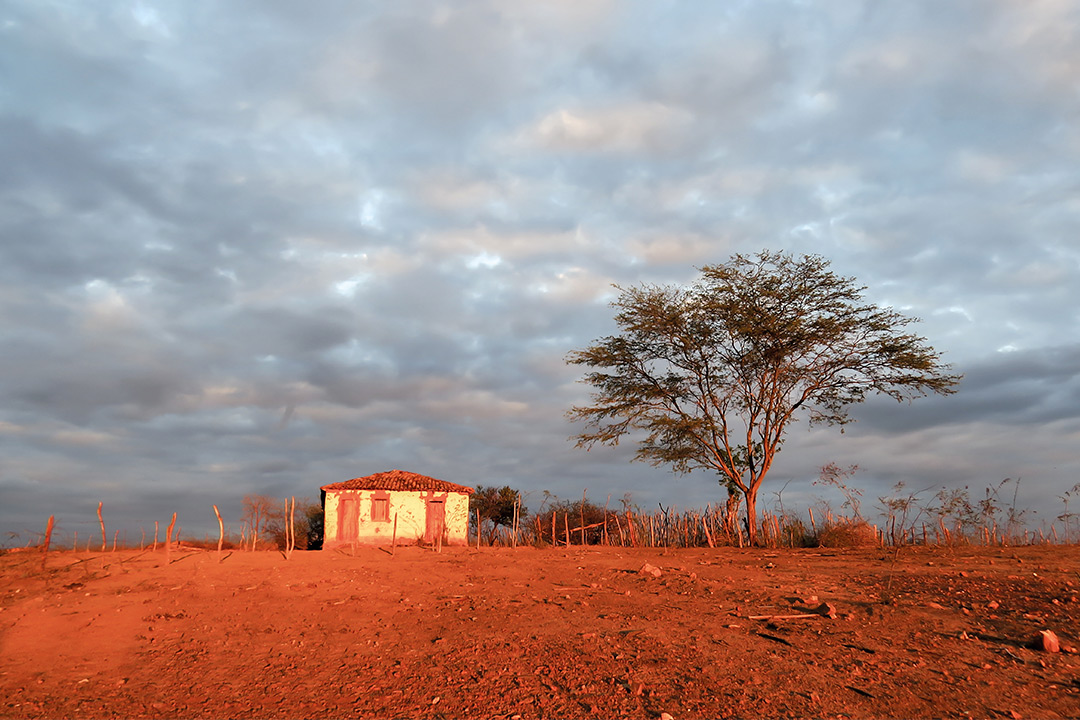
Combating energy poverty
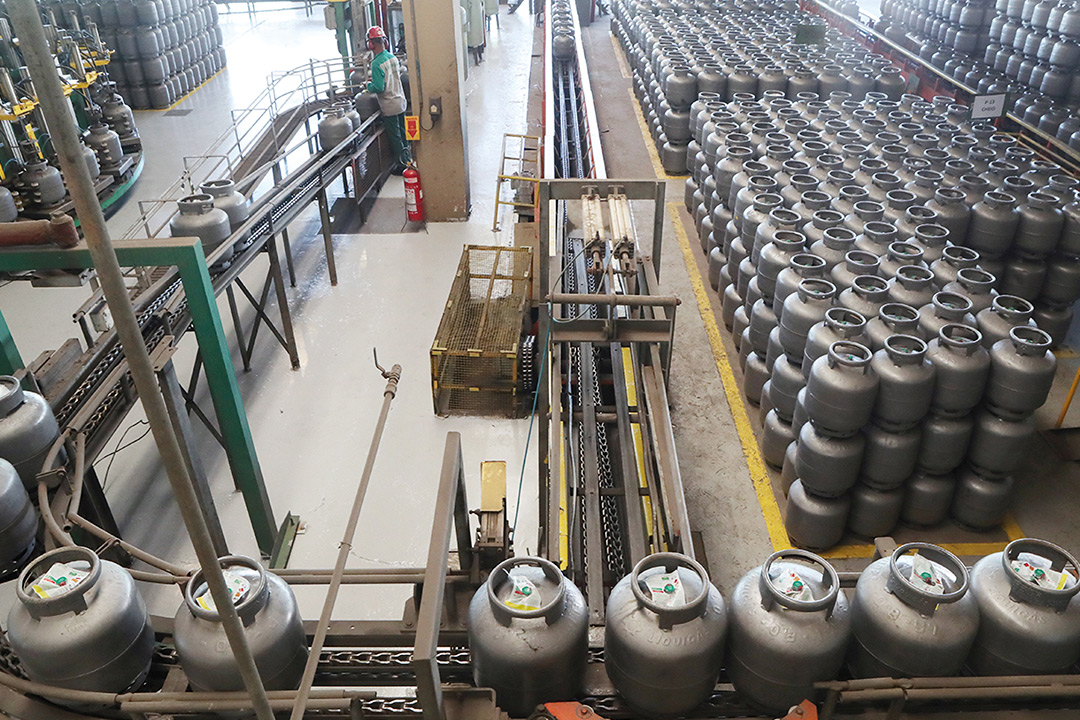
By the People’s Gas Program (“Gás do Povo”) which was launched in September 2025, the Ministry of Mines and Energy has taken a pioneering step in the world to combat energy poverty on a large scale by free delivery of cylinders to low-income families throughout the country.
In addition to representing savings in the domestic budget, one of the main objectives of the initiative is to reduce the use of firewood, alcohol and kerosene to cook food, still used especially in rural areas and the most vulnerable urban communities, with serious risks to the health of women and children.
Since August 26, 2024, Brazil has had an official definition of energy poverty: “a situation in which households or communities do not have access to a basic basket of energy services or do not have their energy needs fully met.”
This understanding is part of a resolution approved at a meeting of the National Energy Policy Council (CNPE), which created the National Energy Transition Policy (PNTE). The body is chaired by Minister Alexandre Silveira, of Mines and Energy. Held in Brasília, the meeting was attended by President Luiz Inácio Lula da Silva.
In its strategy to combat energy poverty, the Ministry of Mines and Energy (MME) emphasizes the importance of promoting clean cooking, which aims to provide low-income families with access to food preparation using gas or electric stoves, replacing the use of firewood, which is still common in rural areas, especially in the North and Northeast regions.
The aim is to solve a serious public health problem for women and children who frequently breathe in domestic smoke generated by burning firewood. Over the years, this contributes to the development of lung diseases, including cancer, as well as heart problems and strokes. In addition, it provides access to one of the most common household appliances in Brazilian homes, improving the quality of life for families.
Data from the Brazilian Institute of Geography and Statistics (IBGE) for 2022 reveal that 2.3 million low-income households cooked mainly with biomass.
The World Health Organization (WHO) estimated that, in 2020, this domestic air pollution caused around 3.2 million deaths per year worldwide, including more than 237,000 children under the age of five. To protect socially vulnerable families, it is necessary to provide non-polluting fuels and technologies such as cooking gas (LPG), biogas, natural gas, electricity, and ethanol.
The universalization of clean cooking was among the topics discussed in Foz do Iguaçu in October 2024 during a meeting of ministers from the G20 Energy Transitions Working Group, an international forum that brings together the world’s 20 largest economies.
Implementing solutions to combat this type of pollution is directly related to the United Nations Sustainable Development Goals (SDGs), which stipulate the need for clean energy for all. As a framework, the aim is to expand “access to clean fuels and technologies to meet the demand for energy services for cooking, heating, and lighting.”
Promoting clean cooking also contributes to reducing social and regional inequalities in Brazil. Studies by the Energy Research Company (EPE) show that the lower the income, the greater the consumption of firewood by Brazilian families. While 99.8% of the population in the Federal District has access to clean cooking technologies, only 75.3% of the population in Maranhão does.
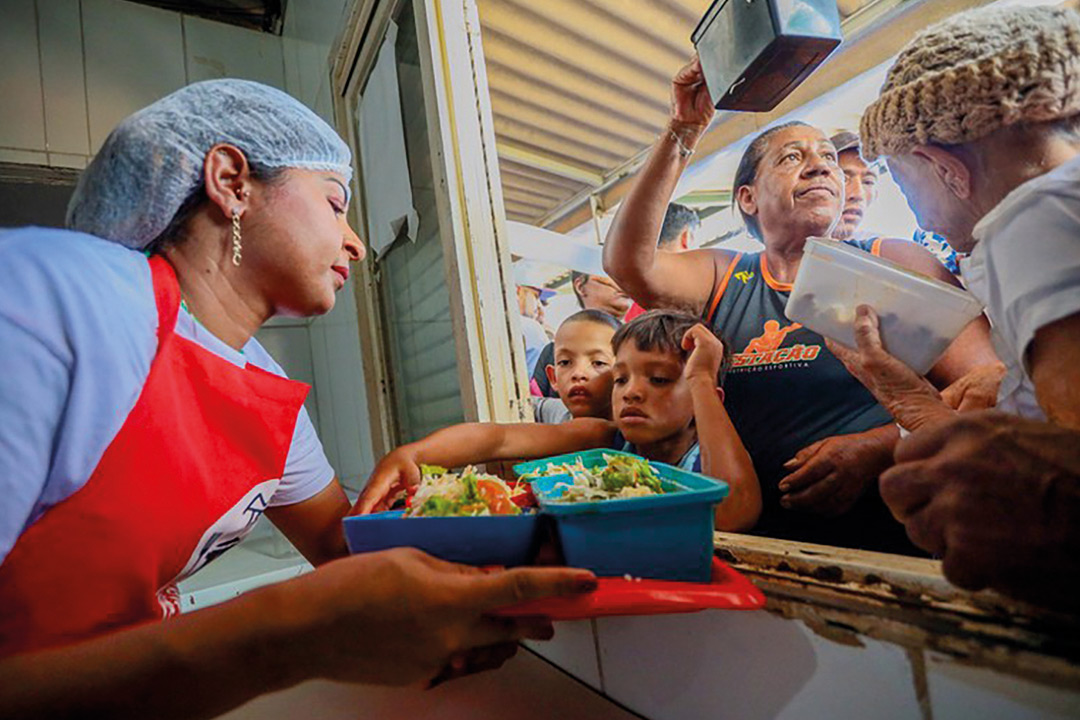
There is also the Solidarity Kitchen Program, run by the Ministry of Development and Social Assistance, Family, and Hunger Alleviation (MDS), which supports the installation of biodigester projects.
Focusing on initiatives such as promoting clean cooking is part of Brazil’s approach to tackling climate change. There can be no energy transition without combating energy poverty, a term that refers to the lack of access to modern services in the sector by individuals or groups. This means bringing dignity to the homes most in need of the benefits of economic development and the services provided by the public sector.
IN LINE WITH THE UNITED NATIONS SDGs
Promoting broader access to clean cooking is directly linked to Brazil’s progress in achieving the United Nations Sustainable Development Goal 7: Affordable and Clean Energy.
Target 7.1 of SDG 7 establishes: “By 2030, ensure universal access to affordable, reliable, and modern energy services.” Within this goal, Indicator 7.1.2 specifically measures the percentage of the population with primary access to clean fuels and technologies for cooking, heating, and lighting.
Efforts to expand clean cooking also reinforce progress toward other SDGs, including No Poverty (SDG 1), Zero Hunger and Sustainable Agriculture (SDG 2), Good Health and Well-being (SDG 3), Gender Equality (SDG 5), Reduced Inequalities (SDG 10), and Climate Action (SDG 13). Lack of access to clean cooking remains a key metric in assessing the degree of energy poverty affecting individuals and households.
THE WHO AND INDOOR POLLUTION
The World Health Organization (WHO) classifies the following as clean cooking technologies: solar energy, electricity, biogas, liquefied petroleum gas (LPG), natural gas, ethanol, and certain biomass stoves that meet WHO emission standards.
Indoor air pollution arises from the use of inefficient fuels and technologies inside or near the home, releasing harmful pollutants, including fine particles that penetrate deep into the lungs and enter the bloodstream.
In poorly ventilated homes, smoke exposure can reach particulate matter concentrations up to 100 times higher than safe levels, according to WHO. Women and children, who spend more time around wood-burning stoves, are the most exposed.
This is not just a Brazilian public health concern—it affects countries across the Global South and disproportionately impacts socially vulnerable populations.
BRAZILIAN OBSERVATORY
On May 15, 2025, Brazil launched the Brazilian Observatory for the Eradication of Energy Poverty (Obepe) under the Tecendo Conexões Project, a partnership between the MME, the Energy Research Company (EPE), and the Inter-American Development Bank (IDB). Its mission is to develop and monitor a robust set of indicators to guide public policies aimed at reducing inequality and energy poverty.
Drawing on an international literature review conducted by EPE and the availability of national public data, these indicators provide a comprehensive assessment of Brazil’s energy and socioeconomic landscape. They incorporate variables such as income, education, family composition, housing conditions, climate data, and human development indicators.
By consolidating public datasets into an interactive platform, Obepe enables integrated and comparative analyses across regions, states, and social groups. It represents a step forward in advancing Brazil’s debate on energy poverty and building a fair and inclusive energy transition.
NUMBERS
- 2.3 million low-income households in Brazil rely primarily on biomass for cooking.
- 3.2 million people worldwide die prematurely each year from diseases linked to household air pollution caused by the incomplete combustion of solid fuels and kerosene for cooking (WHO, 2020).

Published: November 12, 2025
Photo credits: Getty Images, Roberta Aline (MDS) and Bruno Spada (MME)