
Modernist landscape in the artistic production of Lasar Segall
The landscape in the work of Lasar Segall is not presented as an element coadjuvant, nor is it mere silent scenario. The landscape in Lasar Segall's work is not presented as a supporting element, nor is it merely a silent backdrop. It is the world's sensitive material, a visual field of experiences, displacements, and belonging. Whether by the presence of tropical vegetation or by the rural and urban contours of cities in transformation, the artist’s look cuts territories that speak of identities in flow and human experience in its many dimensions.
For Segall, the landscape is not a static construction, but a plastic language committed to life, which pulsates in space and openning up margins for multiple readings. The banana trees, which appear repeatedly in his compositions, are not decorative elements, but devices of meaning, tensioning the relationship between plant and nation, between nature and culture. Likewise, the rural paths and urban lines, the poor neighborhoods and the curves of the different geographies witness an incessant search to grasp what the artist sees, not by the perspective of exoticism, but by the lens of attentive observation, of a foreigner in search of knowledge.
Two curatorial slices intertwine here: on the one hand, the botanical and cultural interpretation of banana trees as a structuring element of an idea of country; on the other, the expanded cartography of landscape forms, between the countryside and the city, the open and the contained, the visible and the veiled. More than defining styles or identifying conventional landscapes, this exhibition proposes an experience of visual reading in dialogue with different modes of representation of the territory, a critical and poetic approach to the way the artist configured, along his trajectory, an iconography of Brazil and other localities that touched its sensitive creative capacity, crossed by landscapes, not only those seen in the distance, but also those perceived in proximity, in the body of the plant, in the gesture of the worker, in the silence of the figures. In Segall, space is never neutral: it is political, social and affective. Their landscapes are, first of all, an exercise of presence in the world and, art, a means of re-inscribing them with open eyes.
Plants and Planting: Banana Cultures in Segall
Invariably associated with an exotist ideology and places and peoples that the European saw as tropical and distant, bananas were, at least since the 16th century, objects of interest to numerous artists, who almost always emphasized their fruits. In the 1920s and 1930s, Brazilian modernists began to represent them, sometimes positively—praising Brazil's place as a tropical country, pure nature—and sometimes striving to overcome this ideology and formulate a culture of its own. Lasar Segall, in contrast to the representations of the exotic, will seek to know better this plant, reflecting on its place in the processes of modernization of Brazil, relating it to the black, popular and feminine elements of nationality.
Plant and plantation: banana crops in Segall explores the forms and meanings that these plants assumed in the artist’s work - and, more widely, in Brazilian modernism itself, participating in the configuration of a modernist botany. It also offers the opportunity to reflect on the inability, increasingly widespread in our society, to perceive plants and the possibilities of art as a form of (re)knowledge and (re)connection with nature, vegetation and landscape.


Journey and Destination
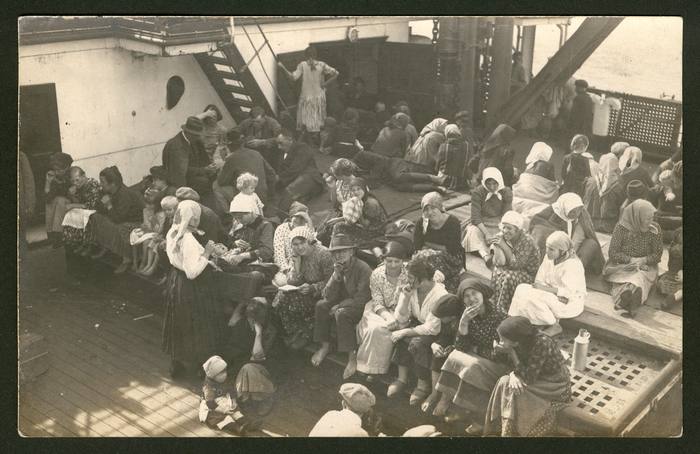
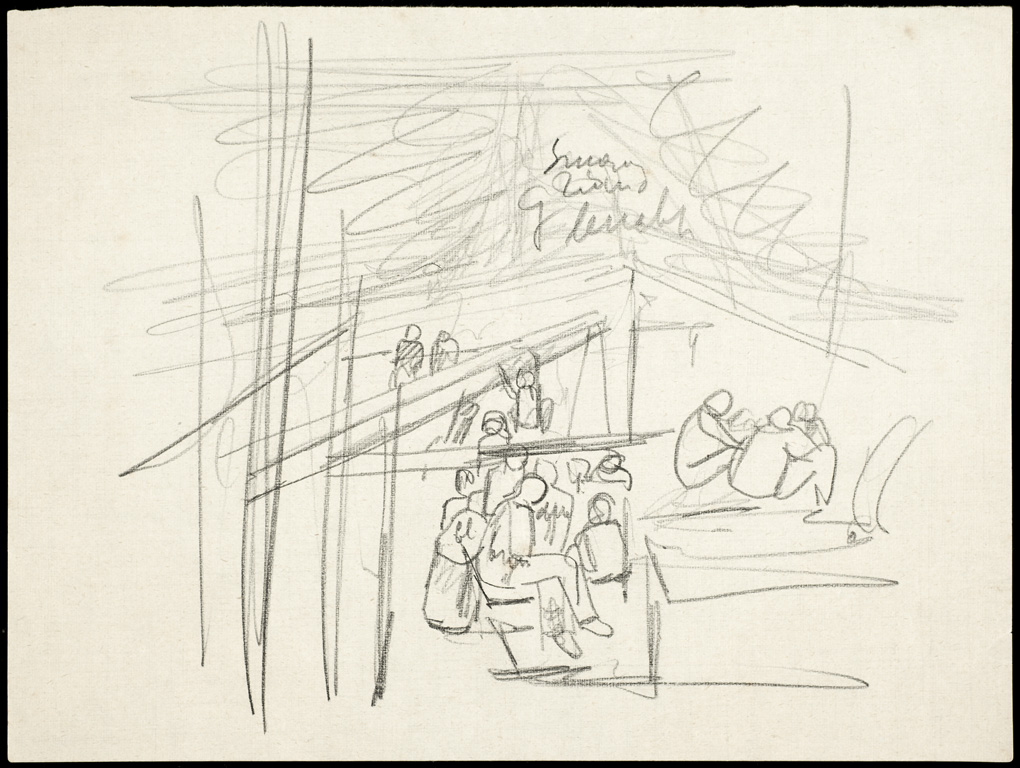
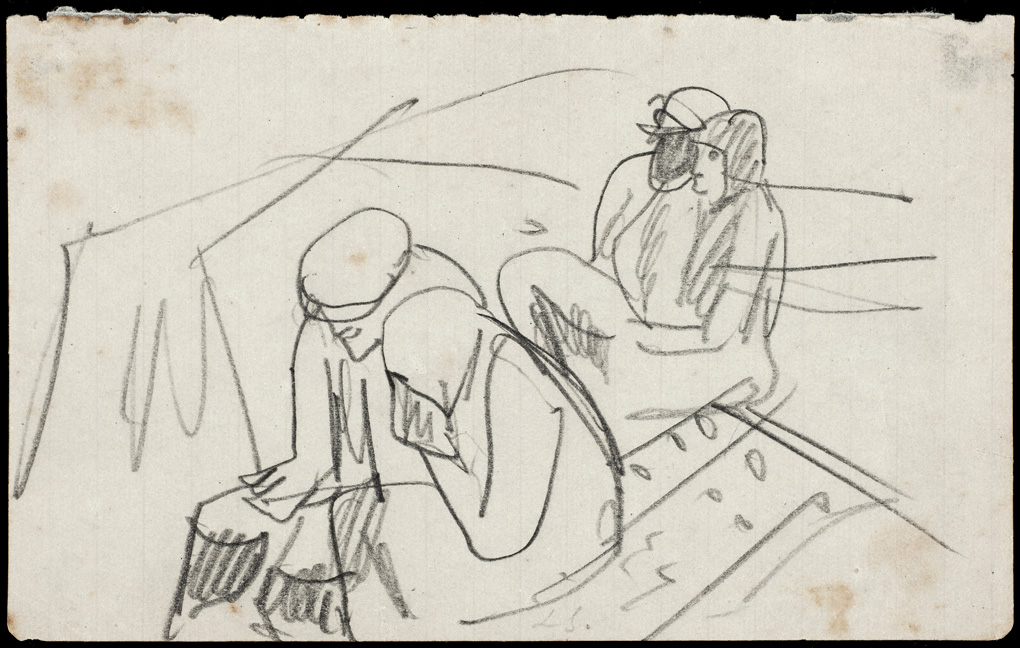
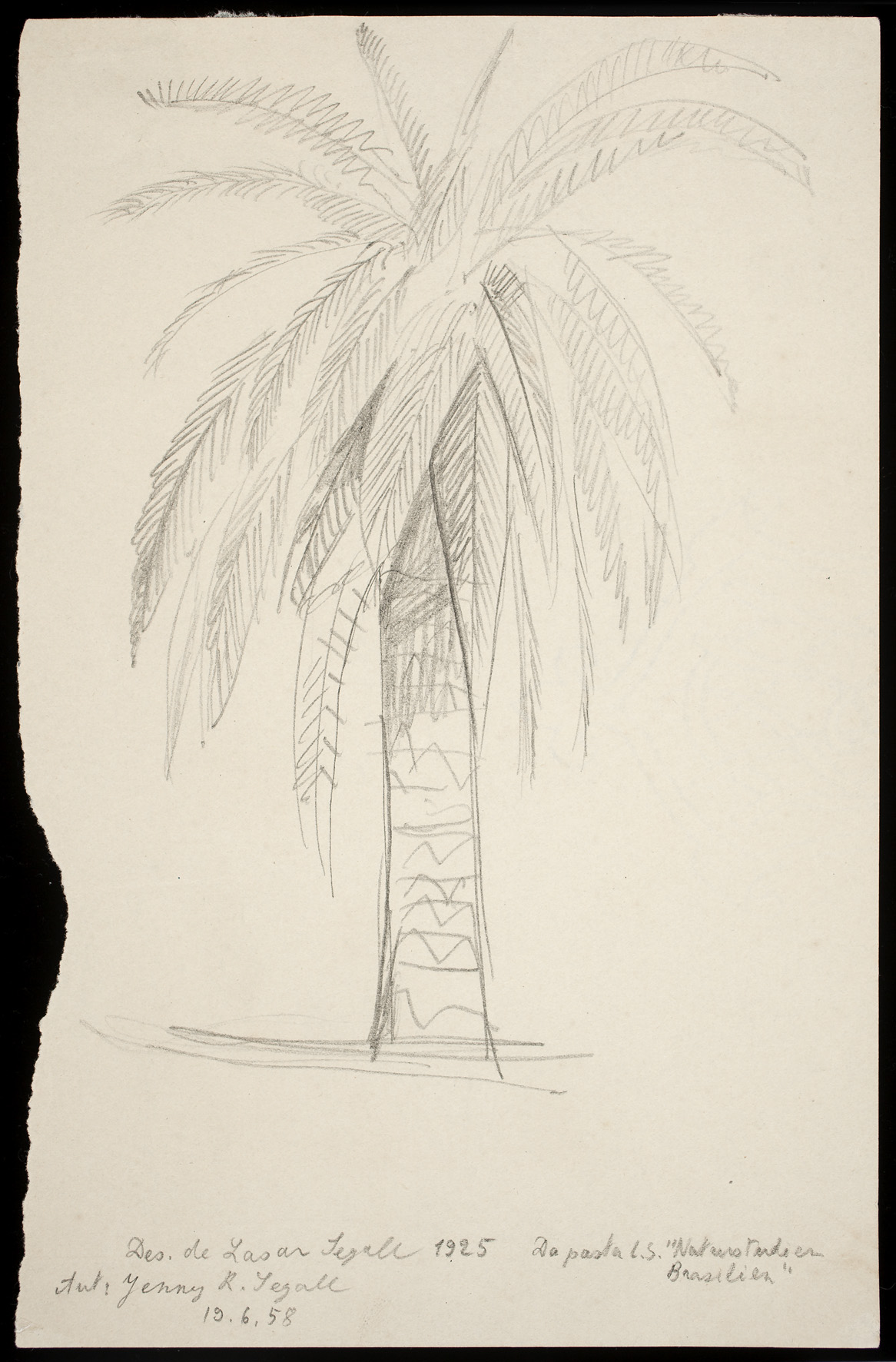
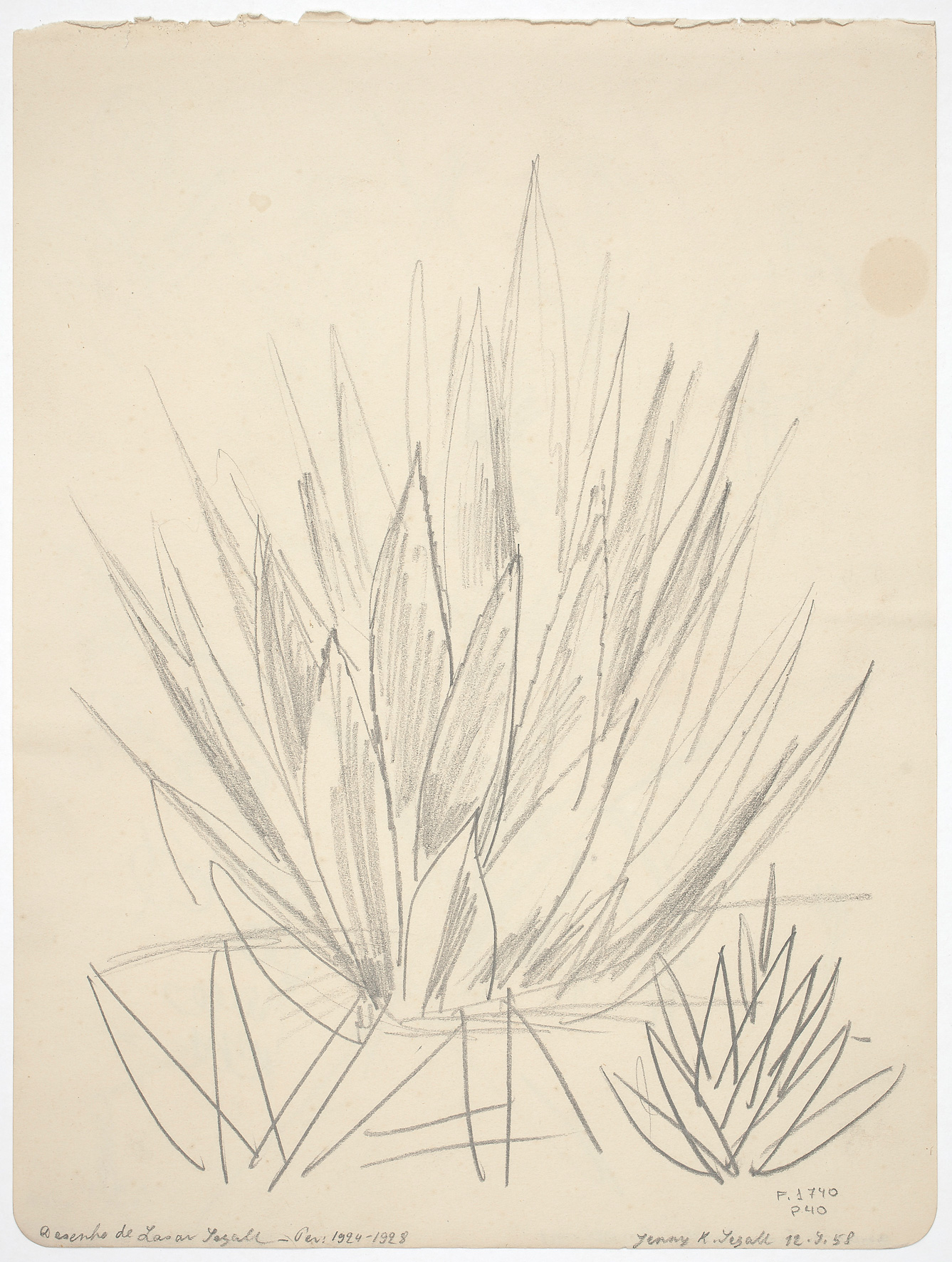
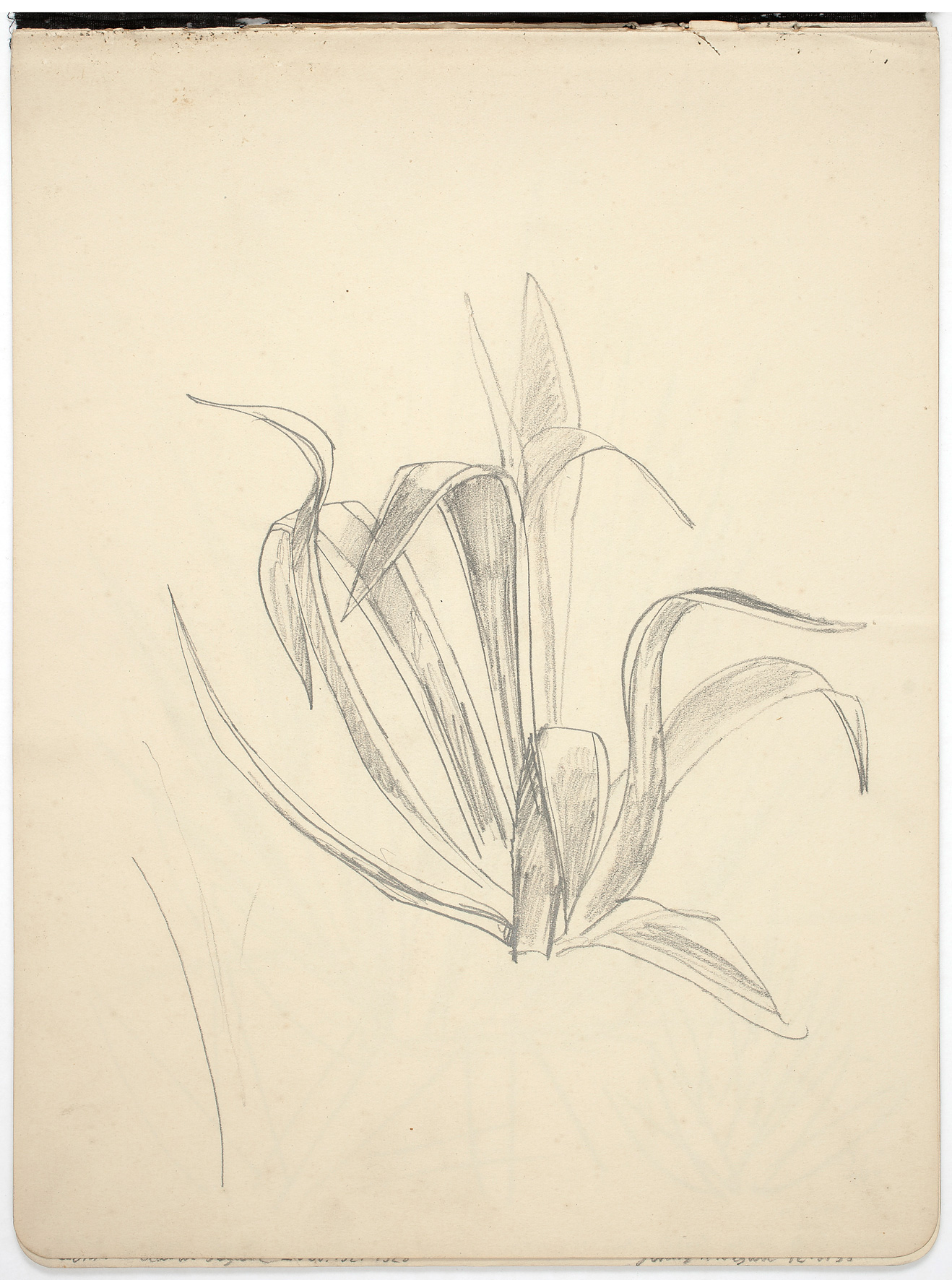
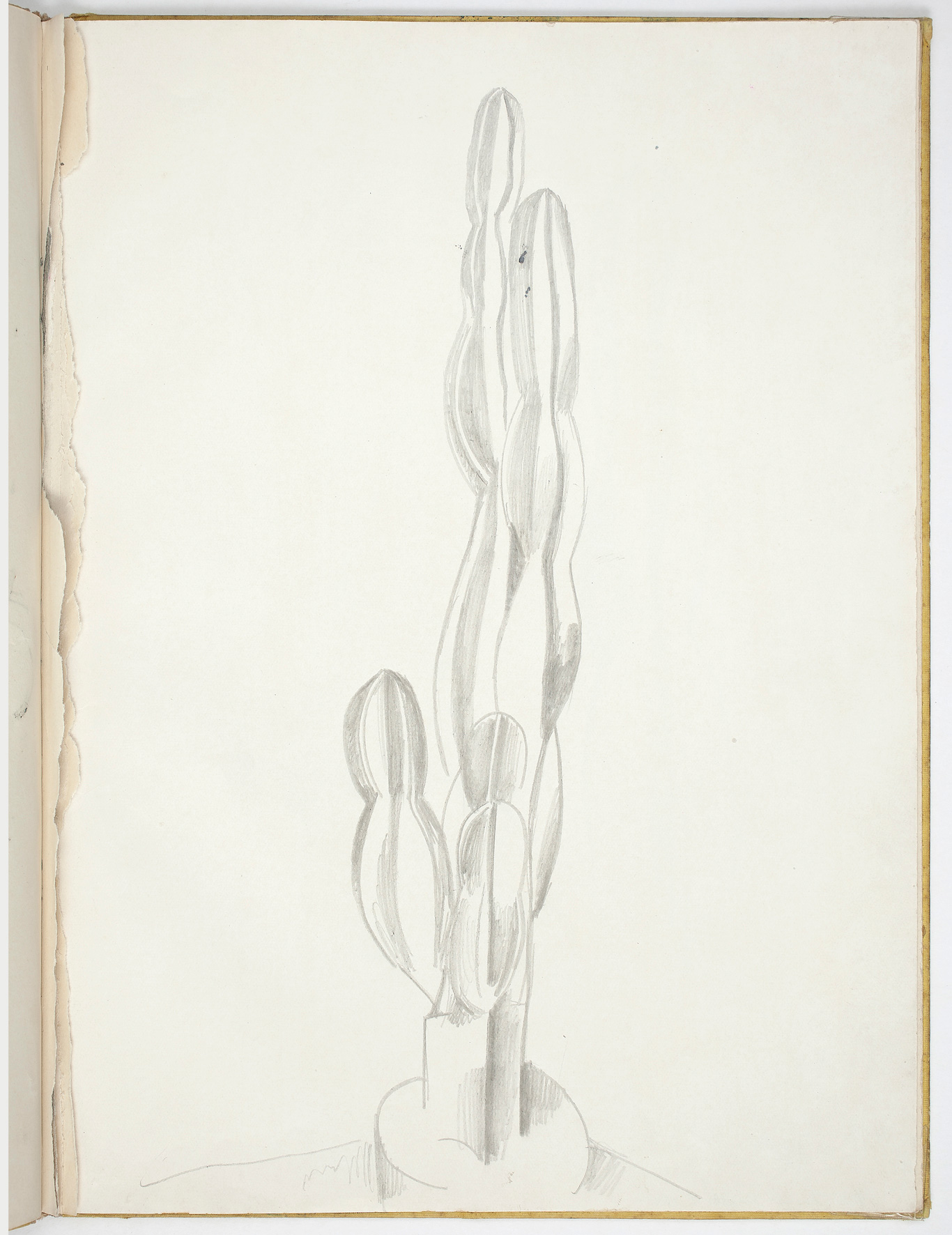
At the end of 1912, Lasar Segall, born in the city of Vilnius in Lithuania, leaves Germany on his first trip to Brazil. At that initial moment, the call of novelty, the imagery of exoticism, and the recognition of the other affected him. On the ship, he identifies himself with immigrants. Upon landing in Rio de Janeiro, he is enchanted by the landscape and the elements of the earth: the people, the dance, the sun, the soil, the vegetation. A decade later, in 1923, he decided to settle permanently in the country, which brings changes to his artwork, forming what has become known as the "Brazilian phase." In this period, new artistic genres and pictorial procedures begin to be explored - with the valorization of luminous colors, figures of defined contours and a welcoming spatiality. Makes observation drawings that identify, with artistic precision or even with a scientific expressiveness, the "fantastic ornamental forms" of plants such as cacti, pineapples, agaves - in addition, of course, to palm trees, symbols par excellence of the idea about "tropicality".




An interested capture
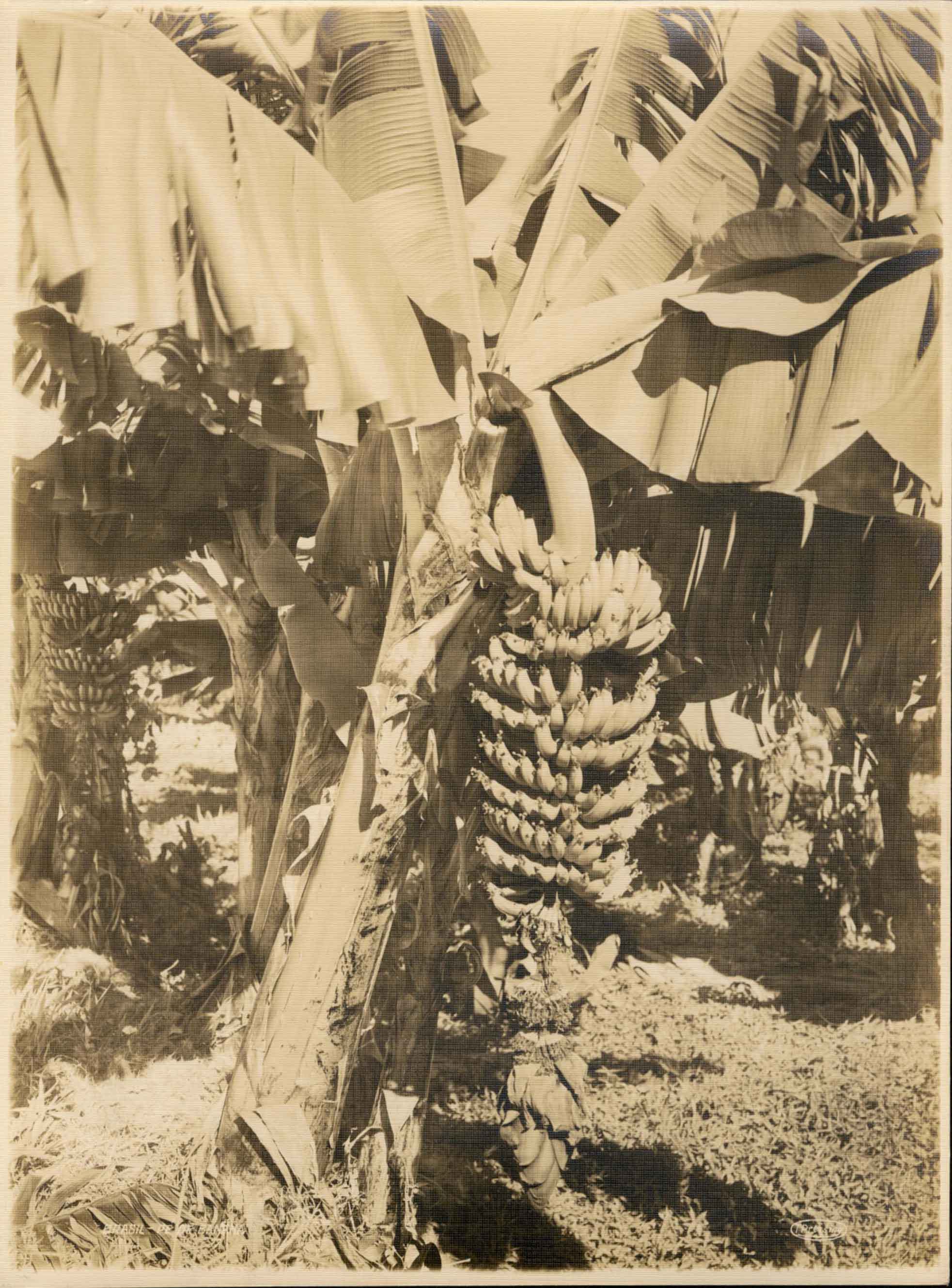
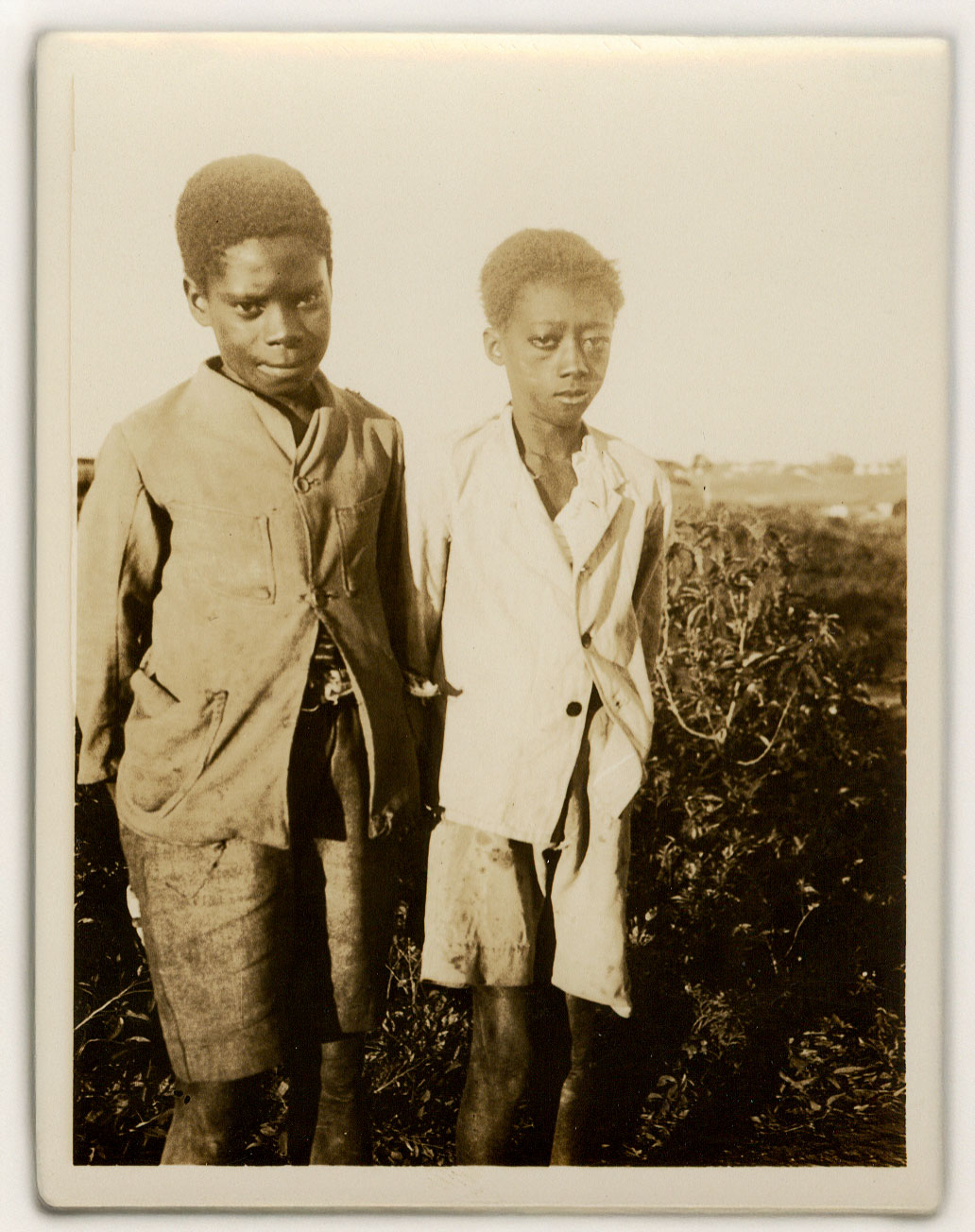
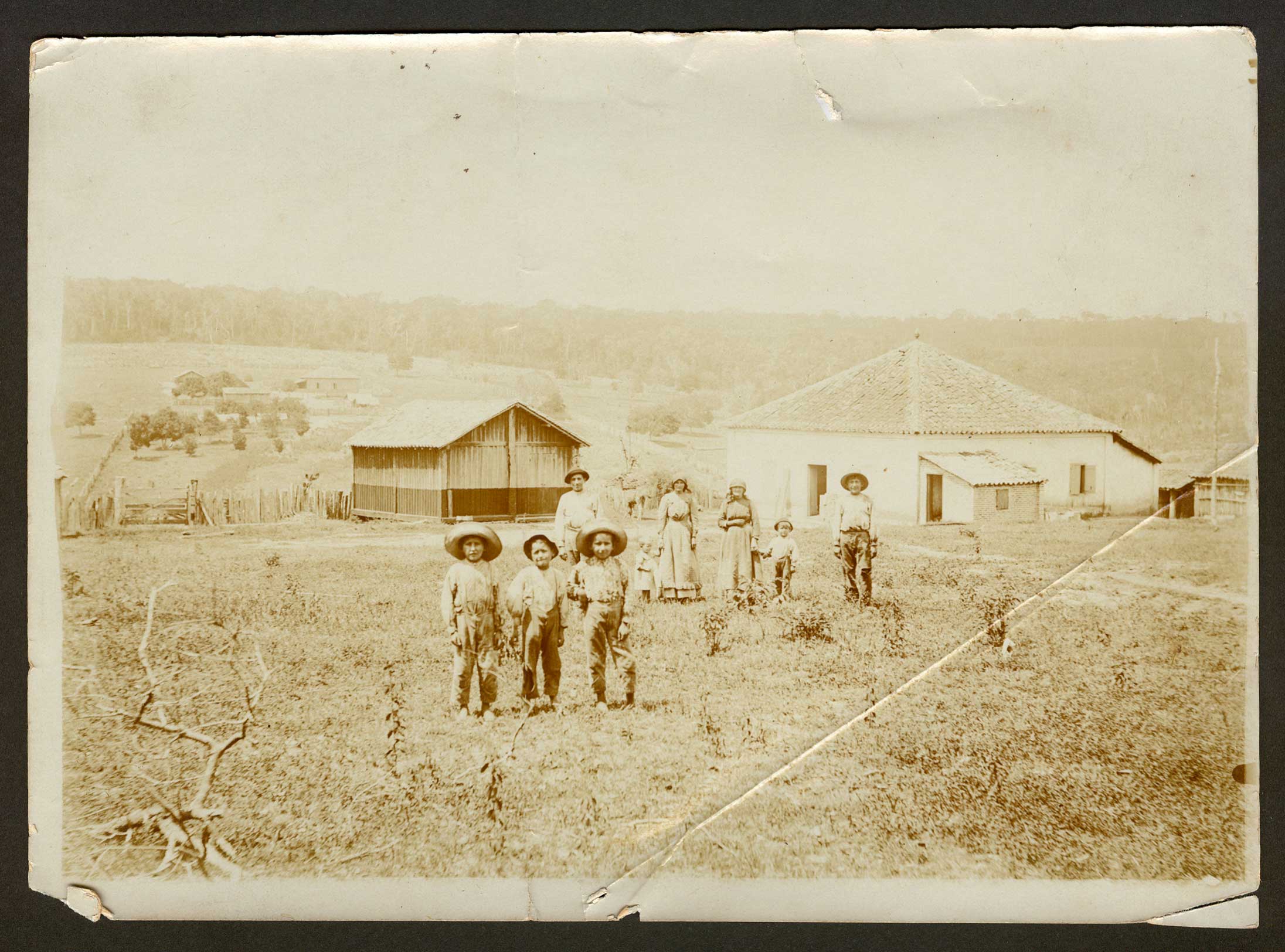
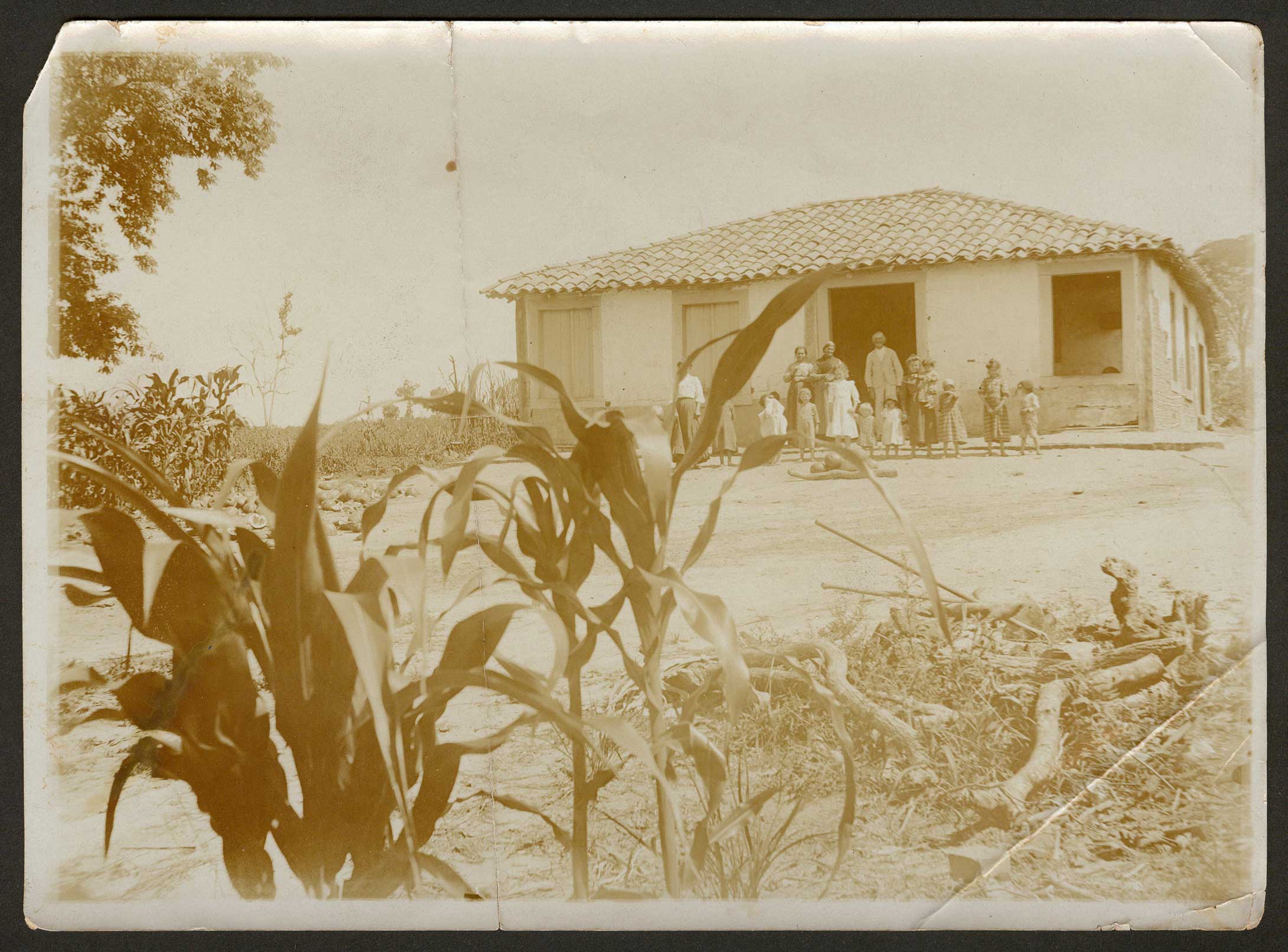
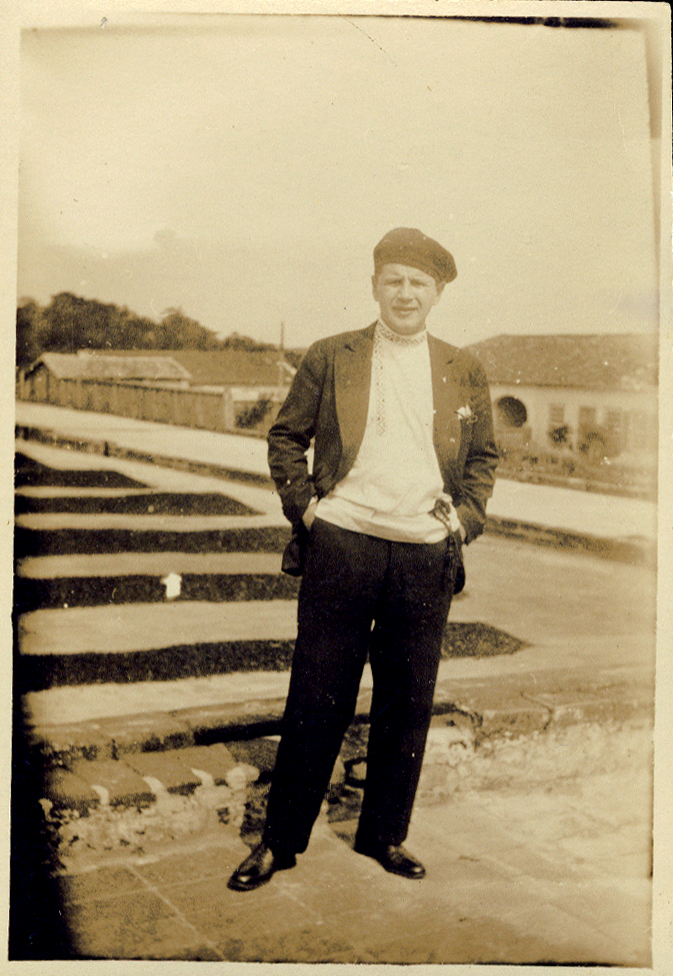
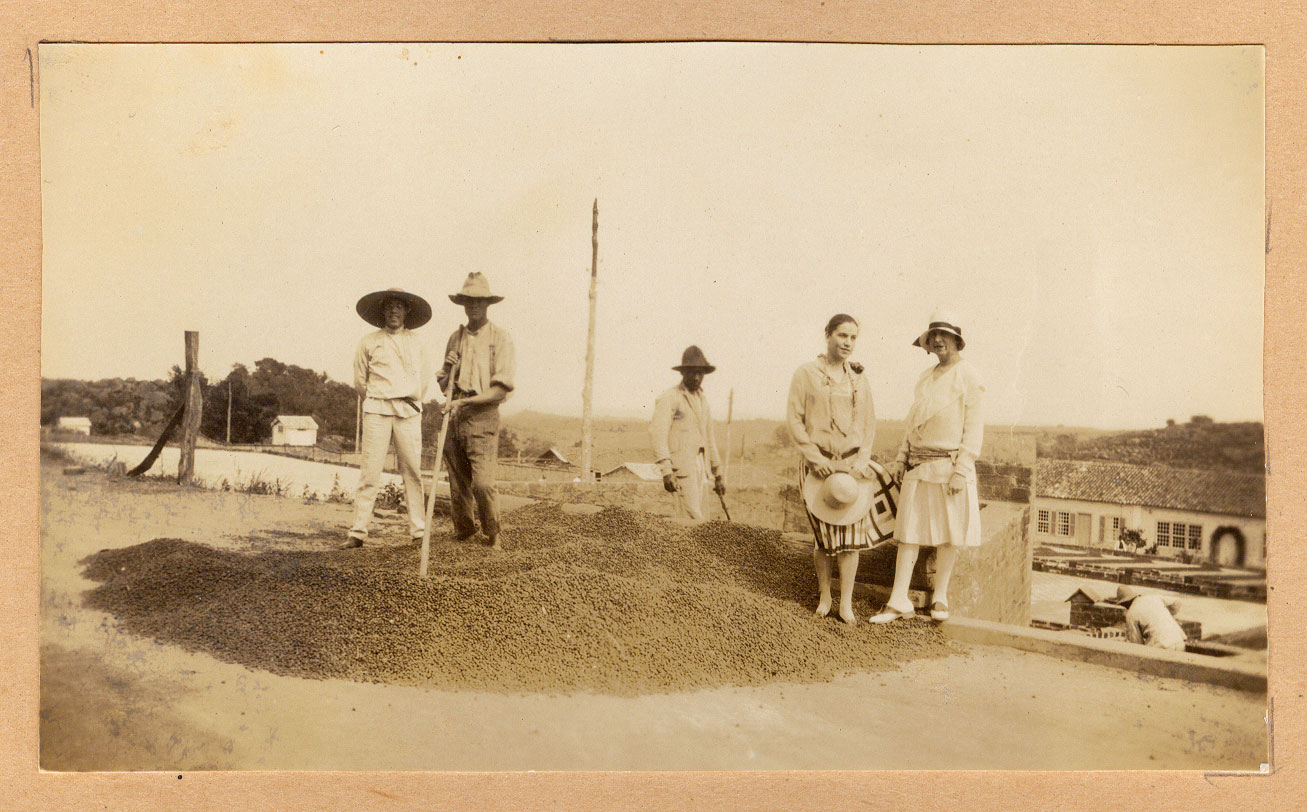
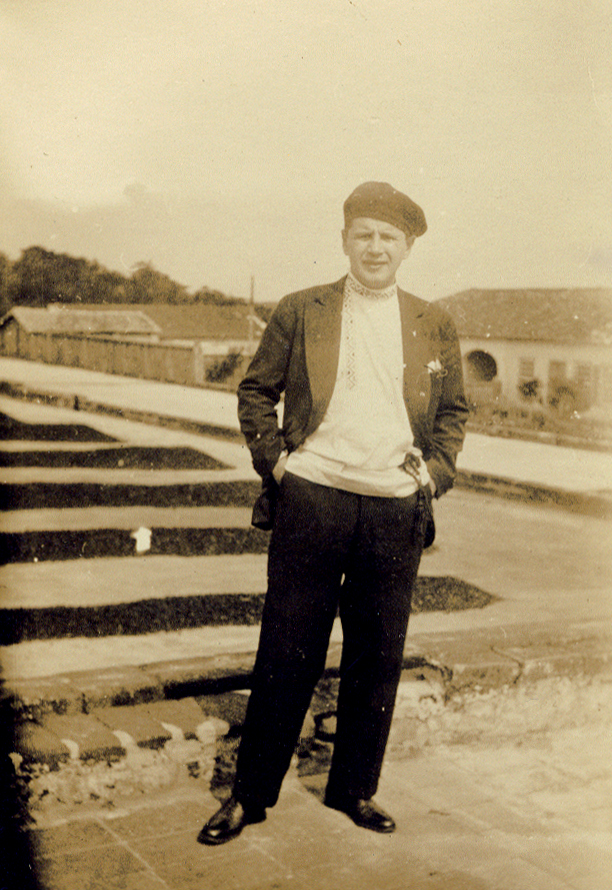
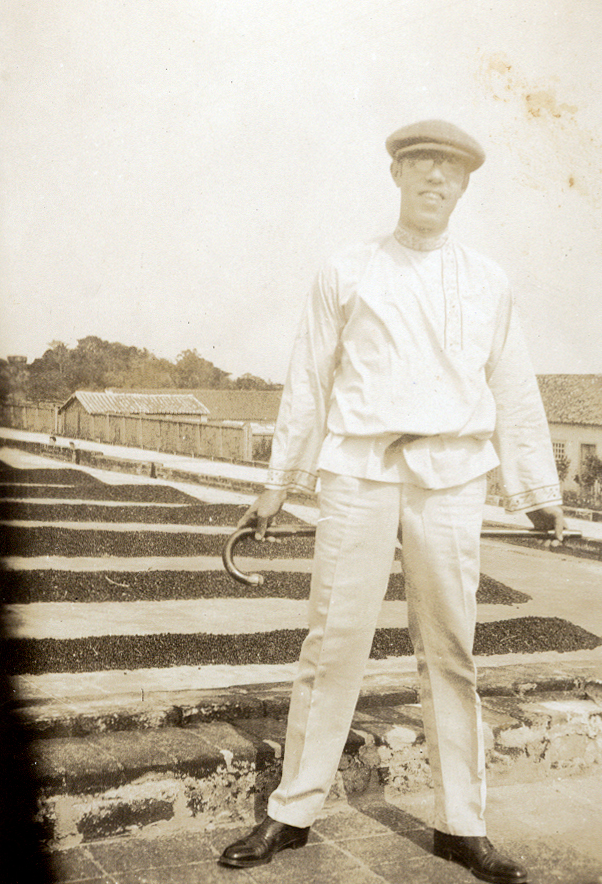
The photographs and postcards of Segall’s collection reveal the subjects, characters and places that captivated him, allowing him to identify two of his central themes in the "Brazilian phase": the human element and nature. Photography is an important resource for the construction of his artworks, either from a direct relationship or by using fragments or ideas contained within. For some critics of this period, the artist abandons the posture of creation of reality of previous phases, replacing it with a posture of capture of tropical nature and the Brazilian people, focused on the external appearance, superficial, of the new world discovered by him. Others, however, perceive how in this new world Segall encounters elements that, though unfamiliar, seem familiar to him, and with which he identifies, in a process of recognition marked by his deep interest and empathy for others.


From Plant to Plantation
Between 1924 and 1925, when choosing the banana tree as his artistic theme, amid the vast diversity of Brazilian vegetation, Segall began with the premise that it represented an established symbol of Brazil as a tropical country. He rejected, however, common sense by representing in banana trees what he considered "essential" and "internally true," in contrast to what would be only "interesting" or "beautiful in the vulgar sense." He focused not only on the fruit—the explorer's primary object of greed—but also on its various parts and the relationships between them. He goes further, unfolding his interest in the plant in drawings of plantations in which the landscape of banana farms gained ever-greater formal richness, while aspects of history, society, and labor insinuated themselves amid "pure nature." Not by chance, that the concepts of "human landscape" and "human nature" are frequently used to interpret his artworks from this period.
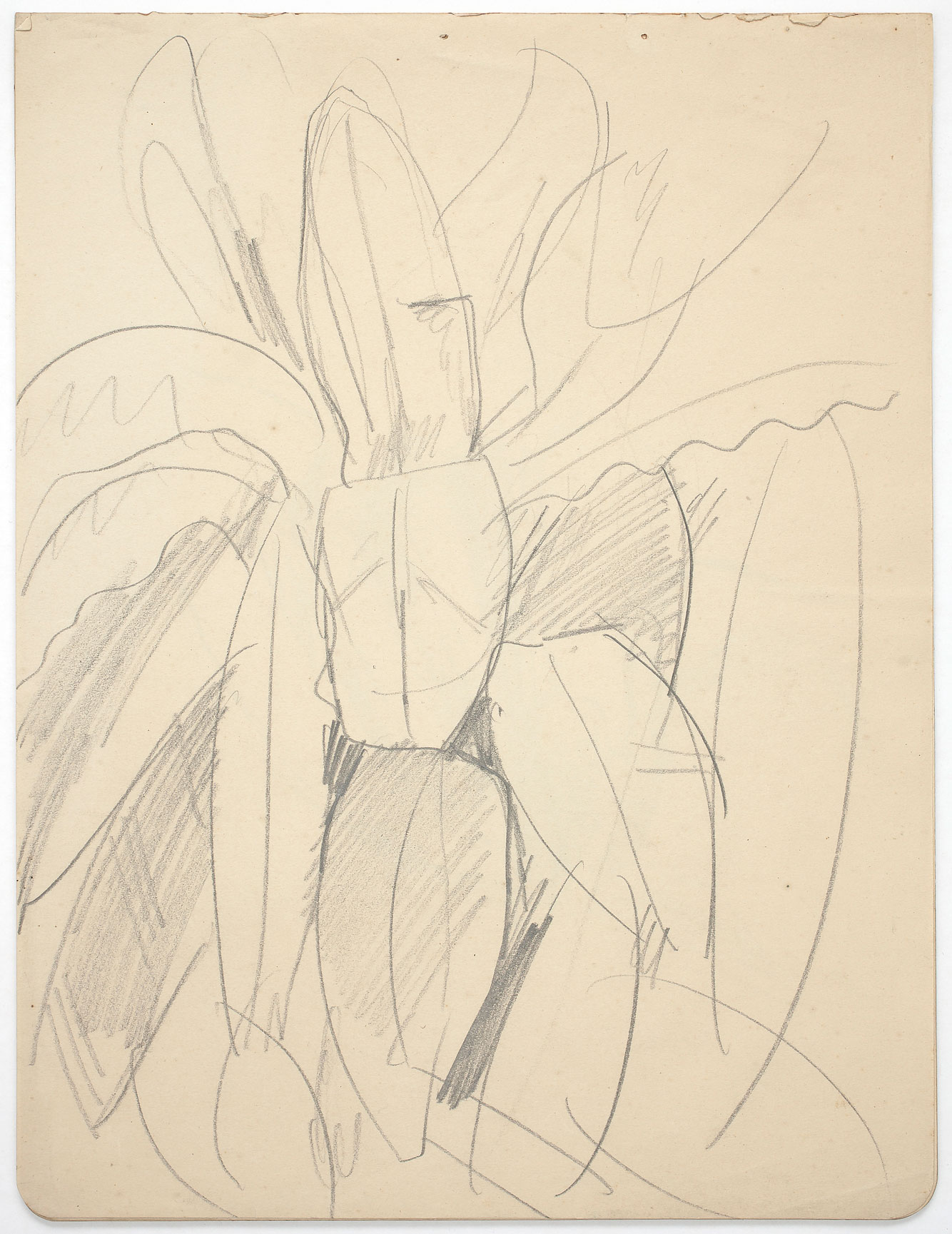

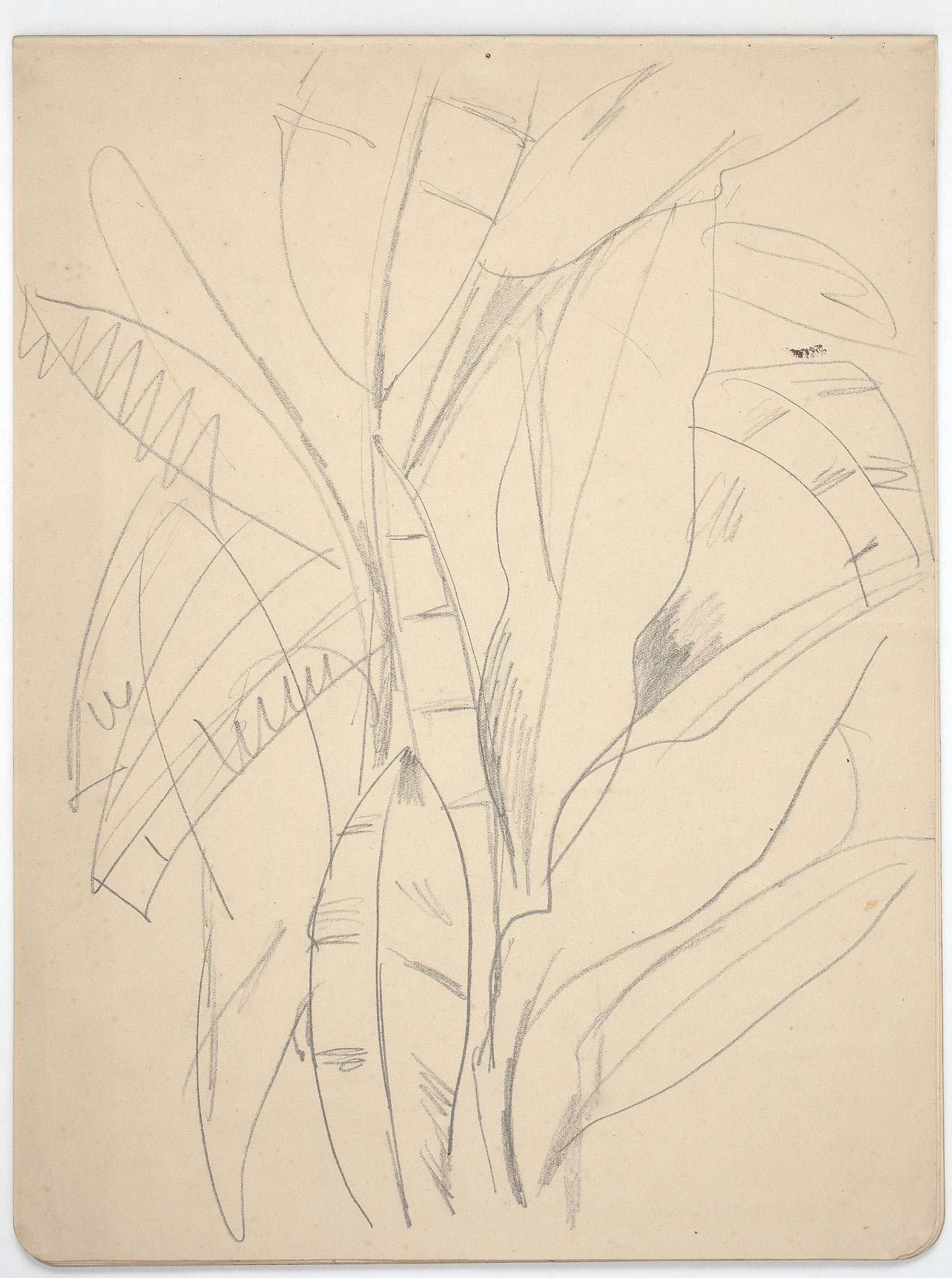
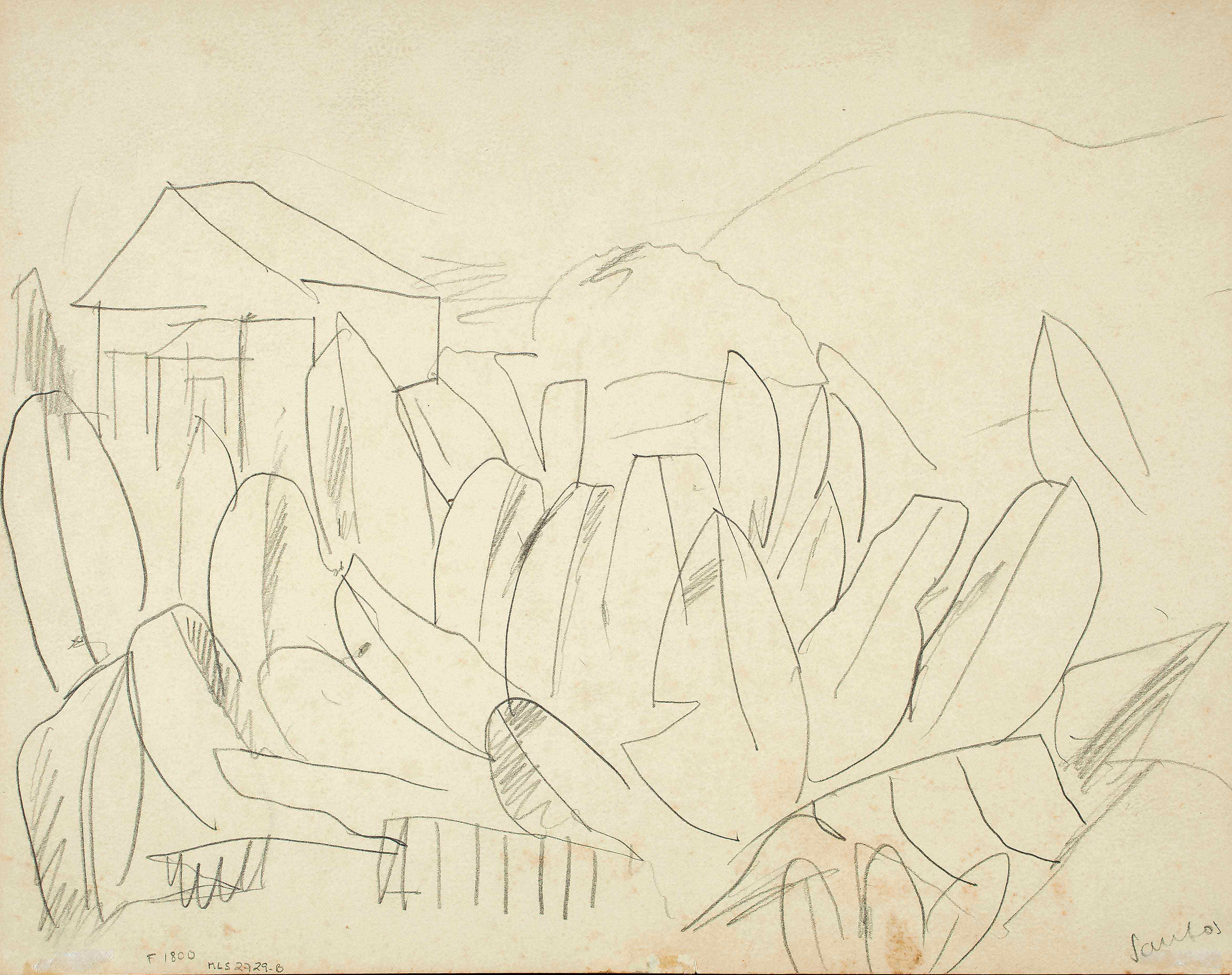
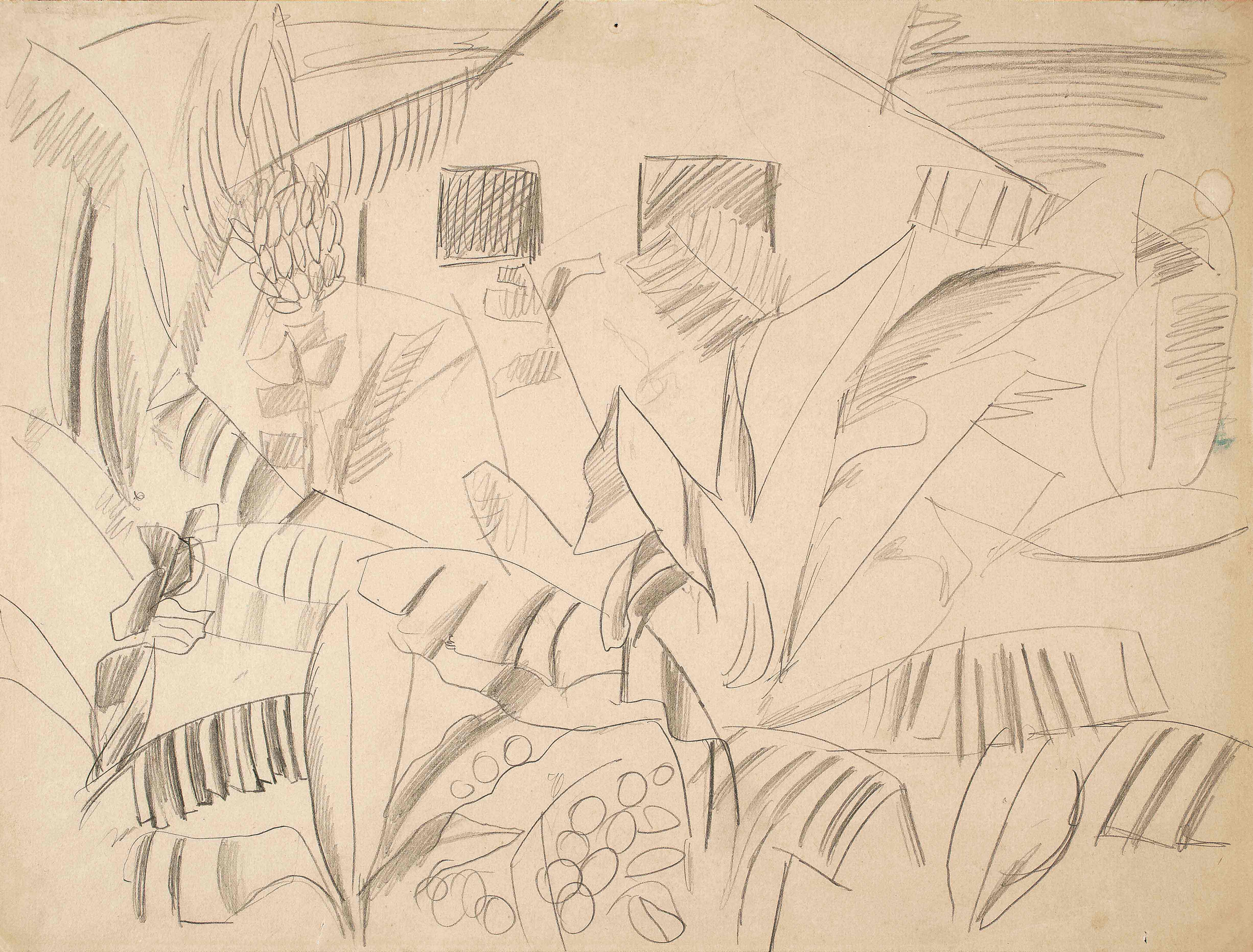
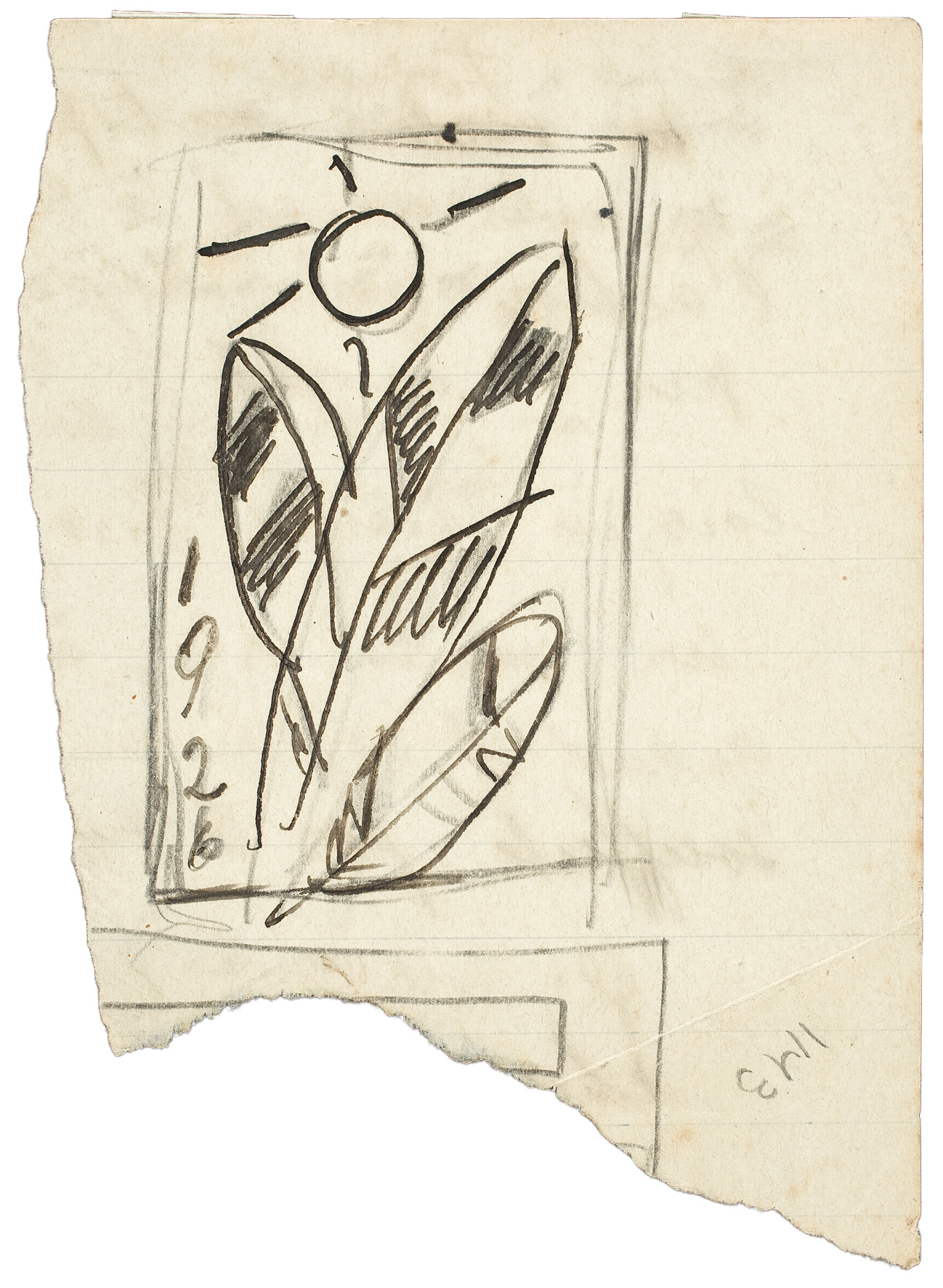
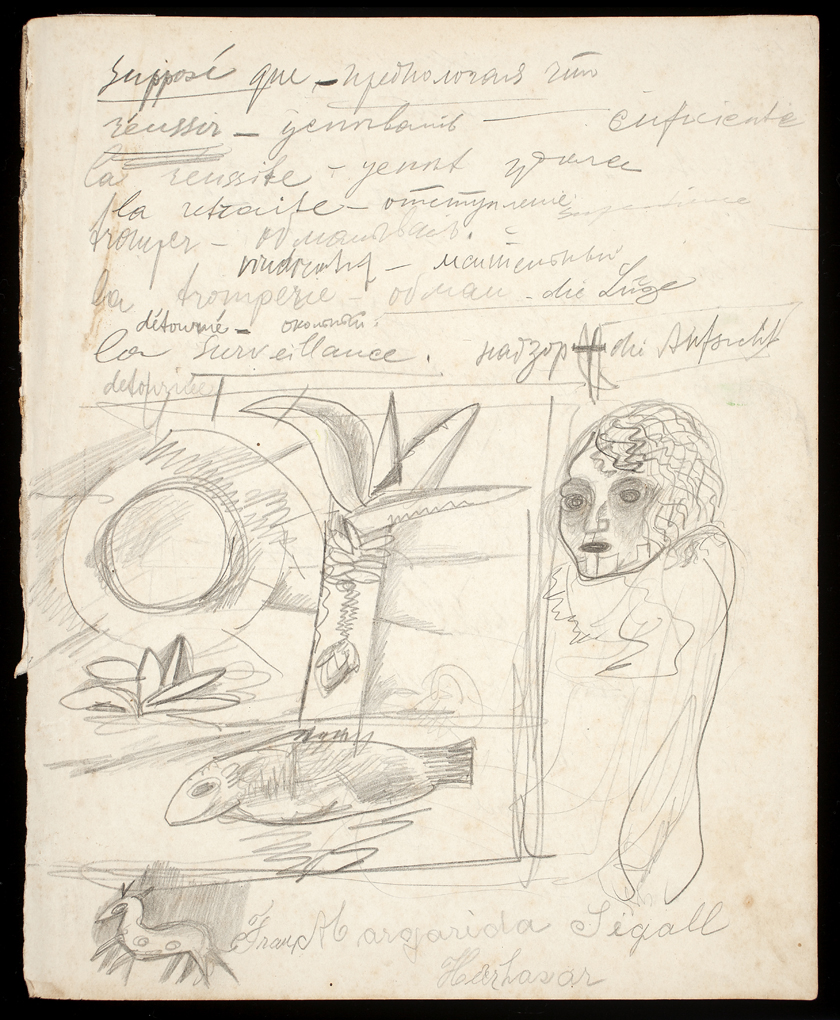
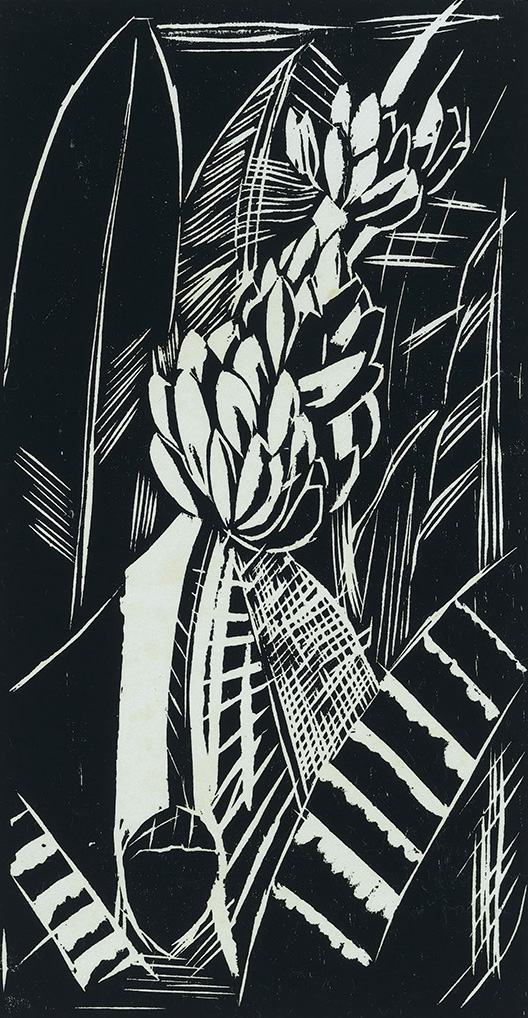
These sketches for future works summarize the possibilities for developing a poetics based on vegetation. Three paths are considered by Segall. The first sketch, of a childlike sun and three stylized banana leaves, is an exercise in synthesis around the notion of tropicality. In the second sketch, the tropical vegetation involves a woman figure, and demonstrates how the exotic association between nature and the feminine (and specifically the black woman), is the theme of several artworks of the "brazilian phase". In the third drawing, the banana tree is a theme in itself; the possibilities of composition are explored from different parts of the plant, in the key of cubist abstraction and geometrization.
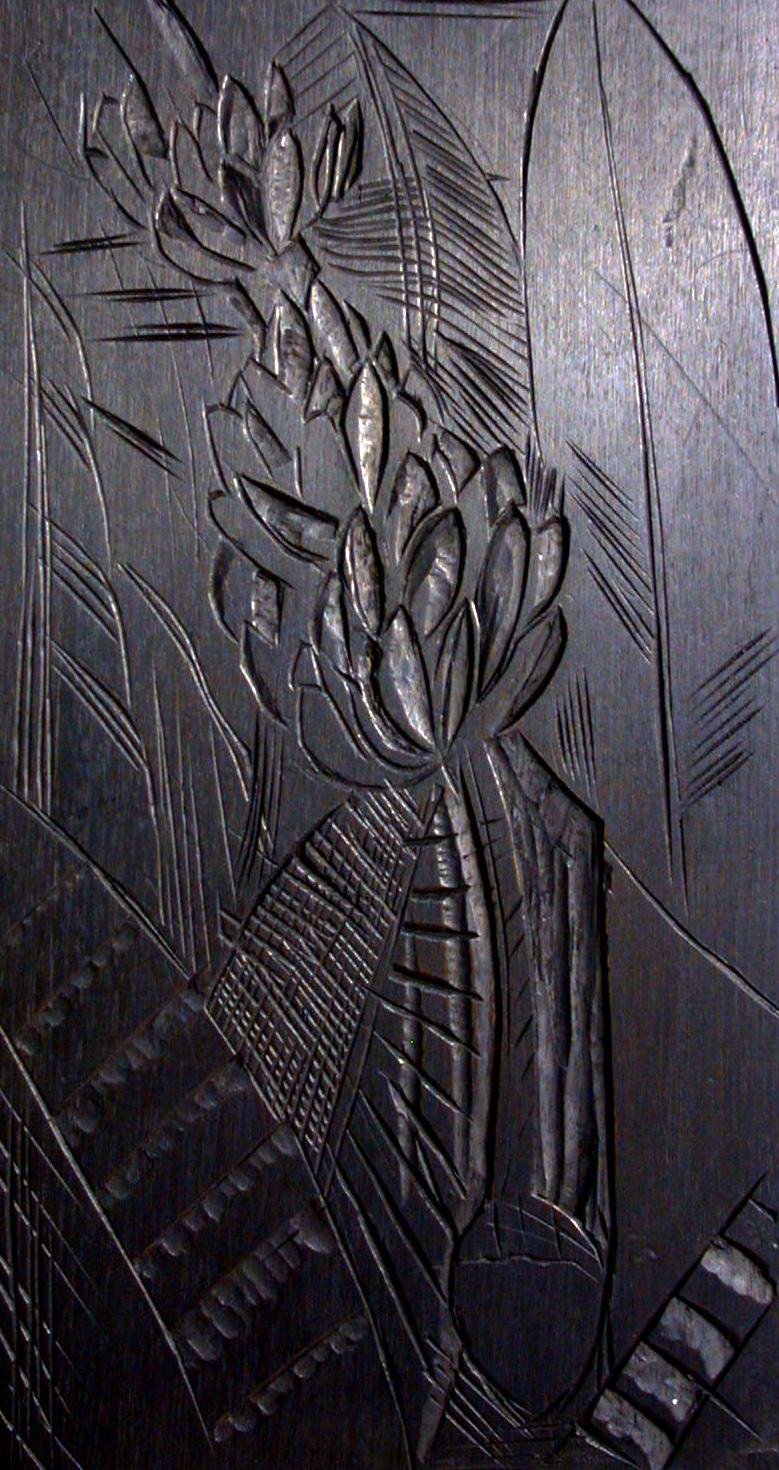
Exsiccata
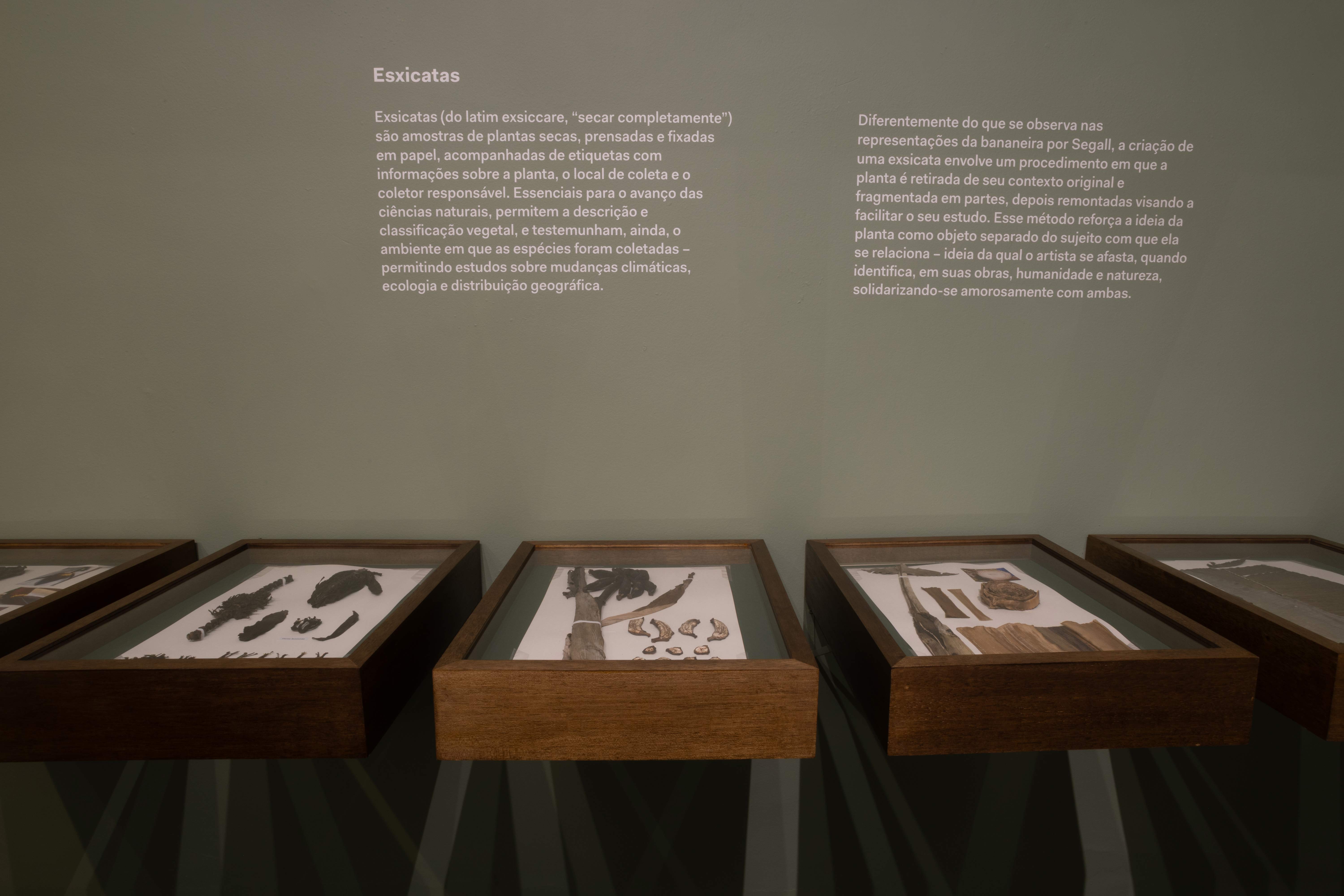
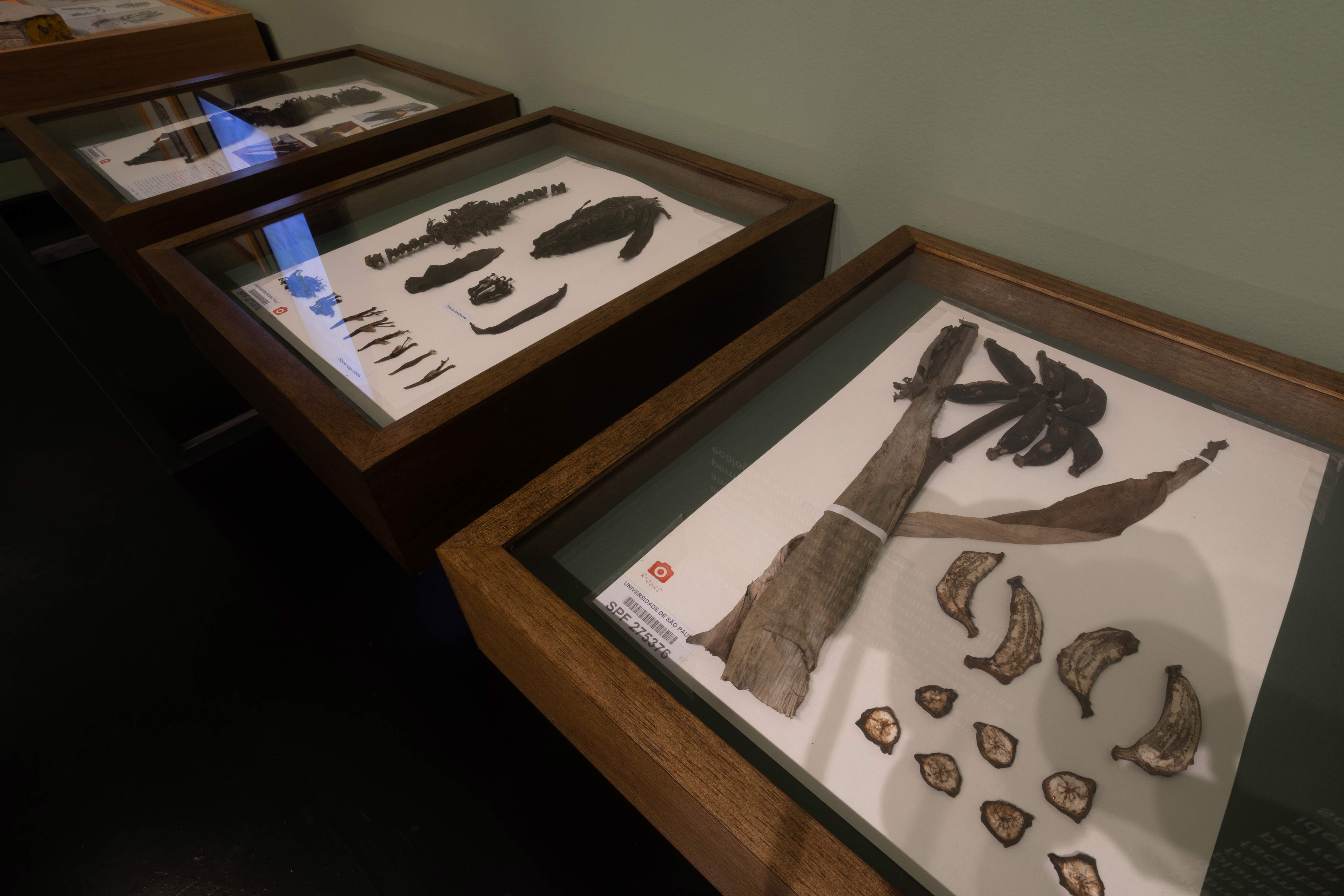
Exsiccata (from the Latin exsiccare, "to dry completely") are dried plant samples, pressed and fixed to paper, accompanied by labels with information about the plant, the picking location, and the responsible collector. Essential for the advancement of natural sciences, they allow for the description and classification of plants, and also testify to the environment in which species were collected — enabling studies on climate change, ecology, and geographic distribution. Unlike what is observed in Segall's representations of the banana tree, the creation of an exsiccata involves a procedure in which the plant is removed from its original context and fragmented into parts, then reassembled to facilitate its study. This method reinforces the idea of the plant as an object separate from the subject with which it relates - an idea from which the artist moves away, when he identifies humanity and nature in his works, showing loving solidarity with both.
The Banana Tree, the City, and Its Other
The physical and human landscape of Rio de Janeiro intensely mobilizes the sensitivity of Segall, who transcends the exotic enchantment by the natural scenery. In his artworks, are juxtaposed the representation of an edenic nature, untouched, and a historicized nature that, not disregarding the natural attributes of the landscape, can express the socio-spatial inequalities, class and race present in Brazilian society. The capital of Rio de Janeiro is read as a mosaic, unity within which differences fit, and whose greatest expression is the relationship between the city and its other, the favela. In the prints, the artist observes the favela from the city; he ascend the favela and sees the it up close and from inside. Finally, at the top, he sees again the city, which appears transformed. The banana trees arise amid the intricate plot of life on the hills (favela), along with people, animals and a great diversity of plants. Its presence indicates the deeply humanized and solidary character that the artist confers on the plant, which comes to symbolize the empathic relationship with the black, popular and feminine elements of the nationality.

What stands out, at the top of the favela, is the abundant vegetable mass, with banana trees and other farm plants, as well as two small palm trees: vegetation that, recognized by the artist, ceases to be "luxuriant," to gain the specific reality of nourishment and participating in the reproduction of life. The door of the shack frames a couple: the woman caricaturally black, the man only a silhouette. Ambiguously, it is noted that the artist is inside the community, but his point of view is external, of someone who observes without announcing himself - something that, added to the fact that the scene refers to the Garden of Eden, demonstrates how the exotist reference still permeates Segall’s artwork.
The favelas of Rio
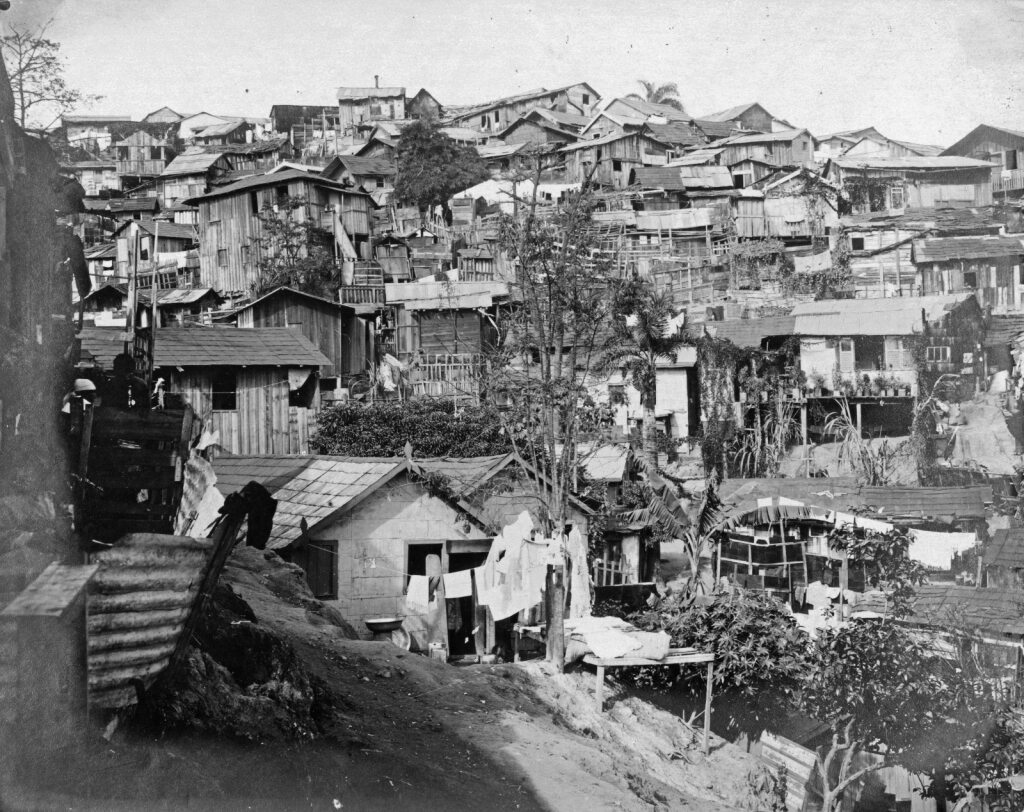
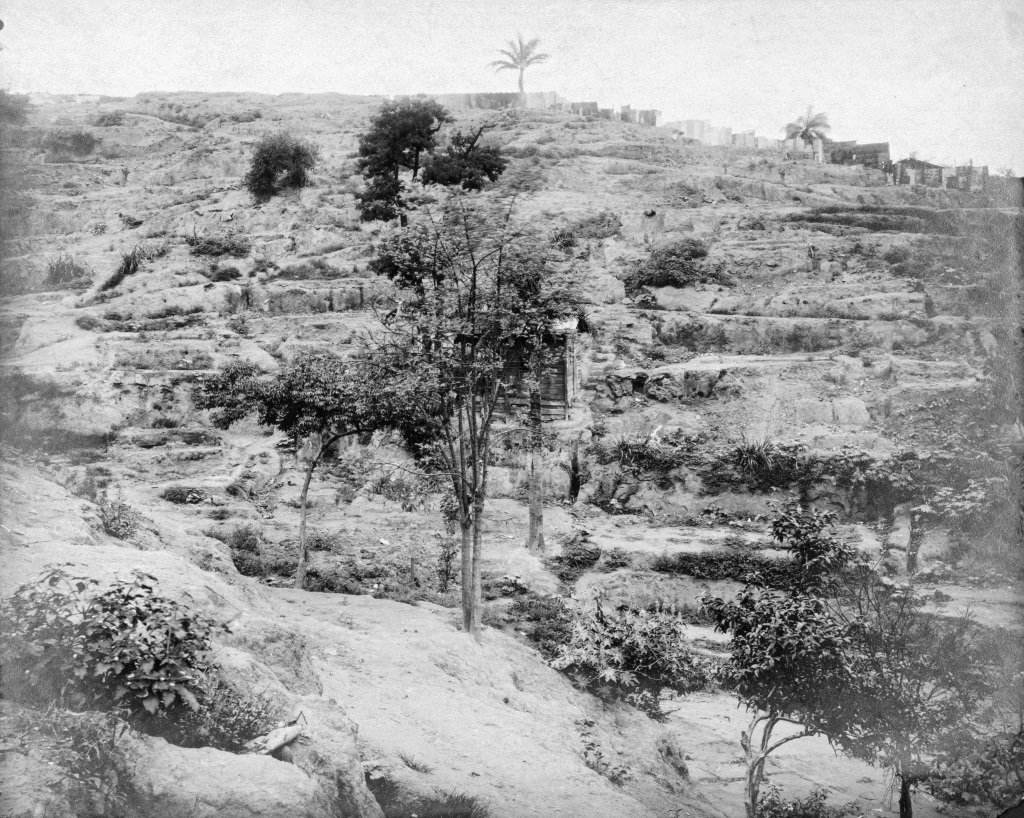
Photos Morro de Santo Antônio
In Rio de Janeiro, the relationship of the so-called city with the popular territories of the hills has always been conflictual. In addition to politicians, engineers and health doctors who were looking for ways to eradicate the favelas, artists, writers and journalists also took an interest in the issue. The Morro de Santo Antônio - which was located in the center of Rio and was dismantled from the 1940s - is exemplary in this sense. It’s commonly seen with a distanced, idealized or pejorative - representations that are in stark contrast with the images of the favela created by Segall, who approaches it with care and empathy.
Genealogy of Bananal
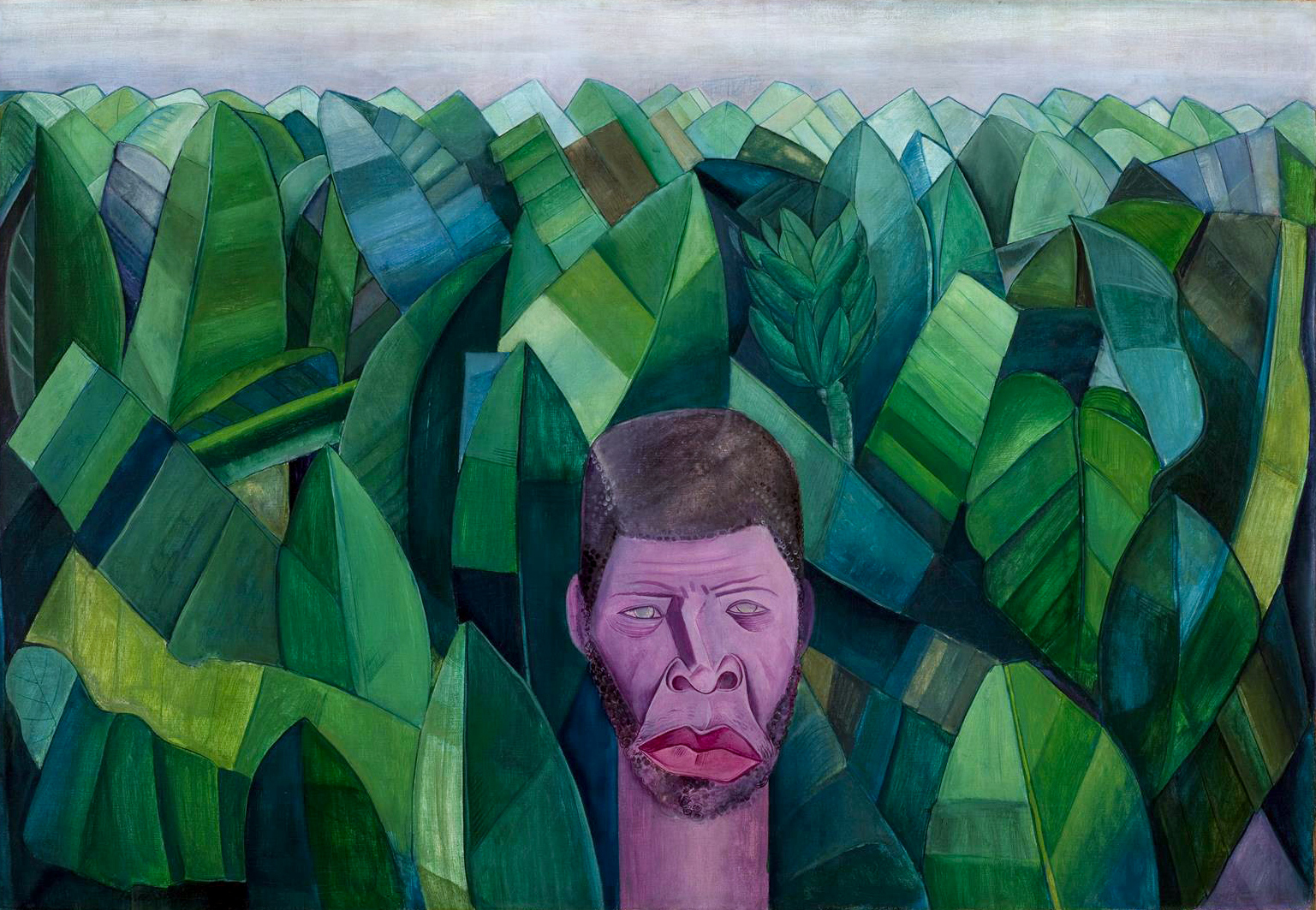
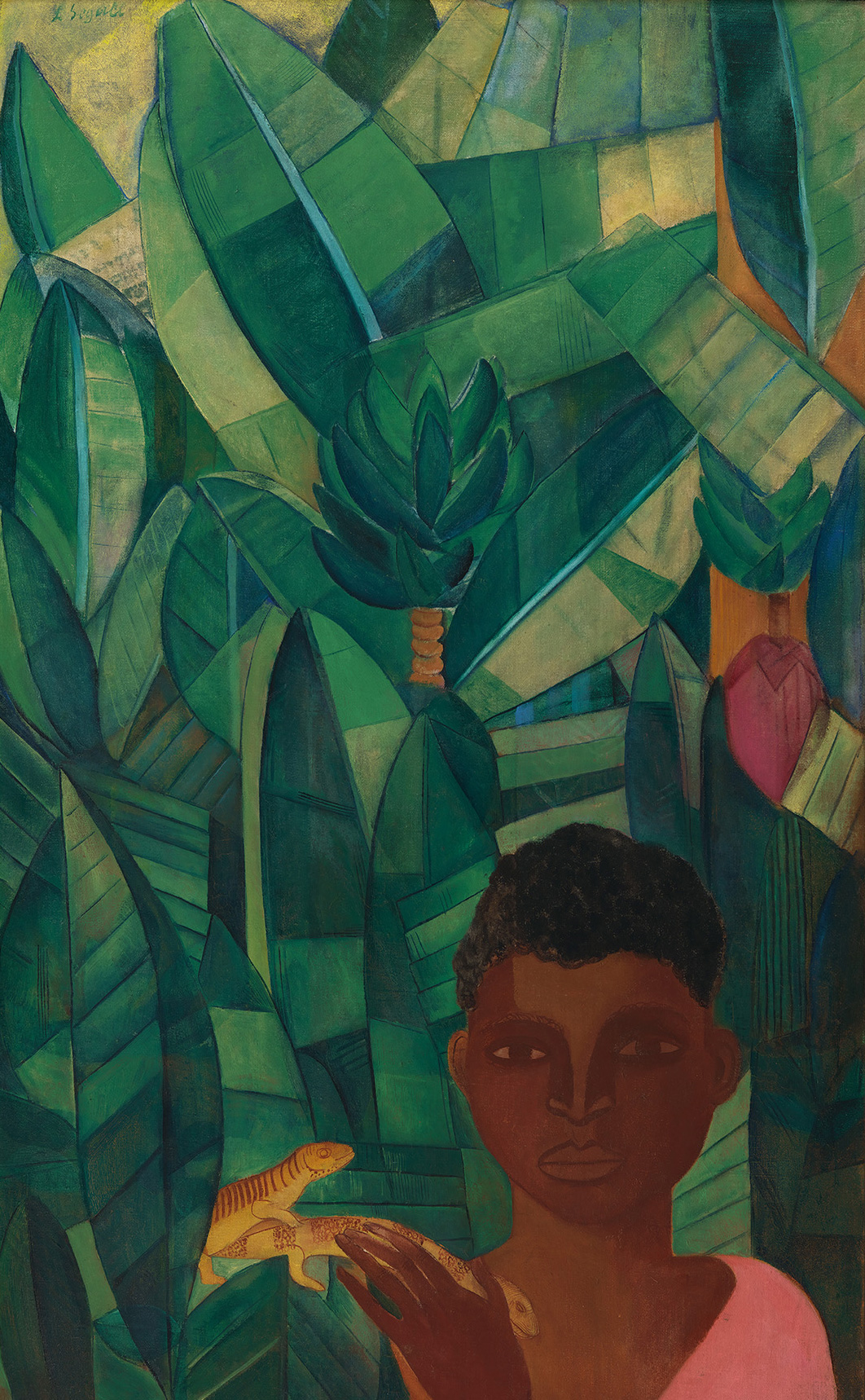
Bananal signals a shift in Segall's thinking about banana trees. The artwork is born from an intense process of investigation carried out through drawings, photographs and other paintings. Brings questions about the racial issue in the country and about the links between culture, nature and work, dialoguing with artworks by Anita Malfatti, Tarsila do Amaral and Cândido Portinari, who also make allegories of Brazil, representing this plant and its fruits. The human figure - a head that refers to a black mask or sculpture, assuming the role of "collective being" - is in the center of the screen, gaining importance and social meaning. The plantation, however, occupies the majority of the painting, which causes a tension with the anthropocentric view that the banana grove is mere a backdrop, and is a metonym for Brazilian nature. Nature is transformed into labor in a double sense: that of the former slave who cultivated the plantation and that of the immigrant painter who, in a very elaborate recreation of plant forms and the connections between the act of farming and the product of cultivation, also shapes the Brazilian land.
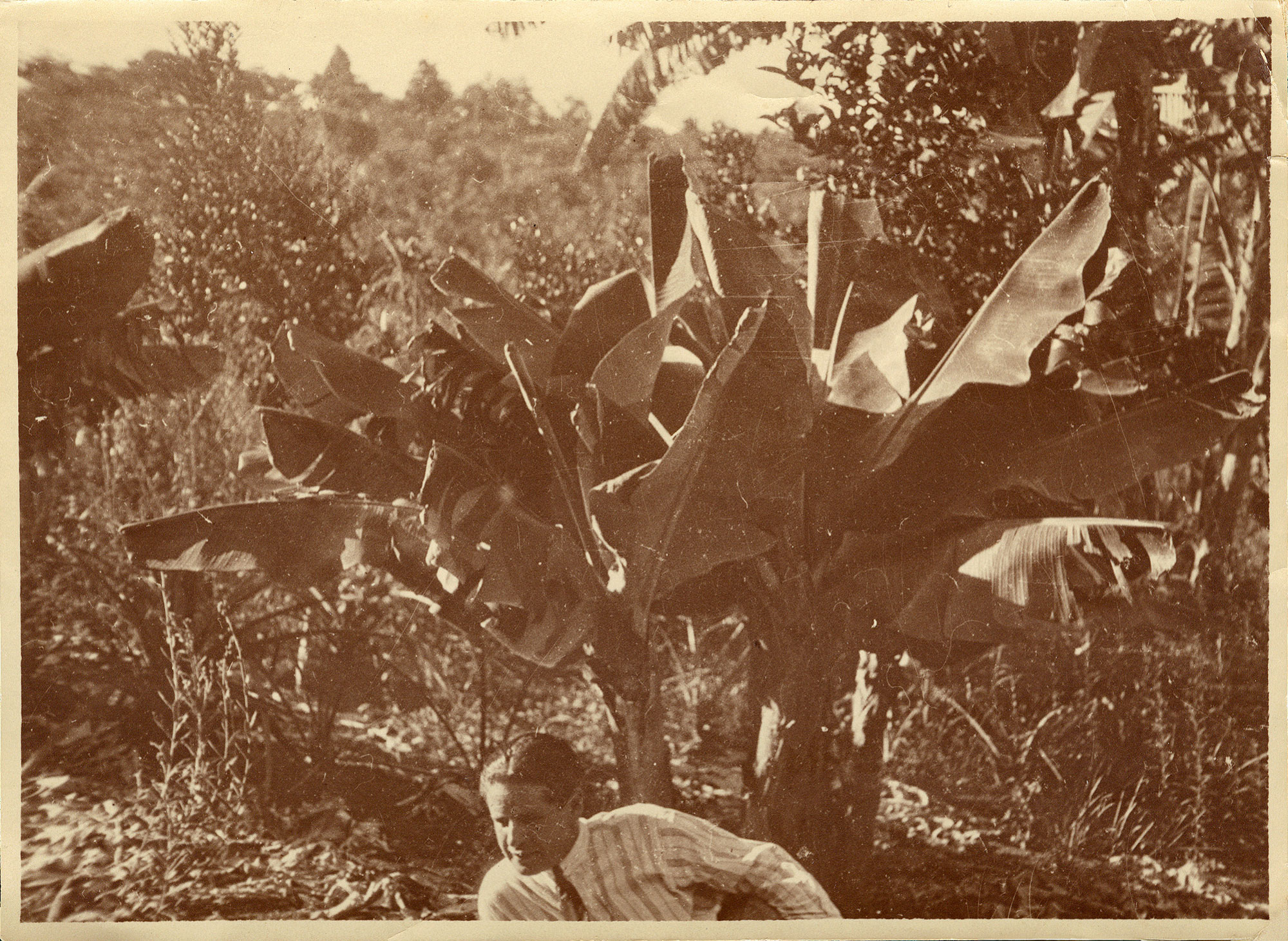
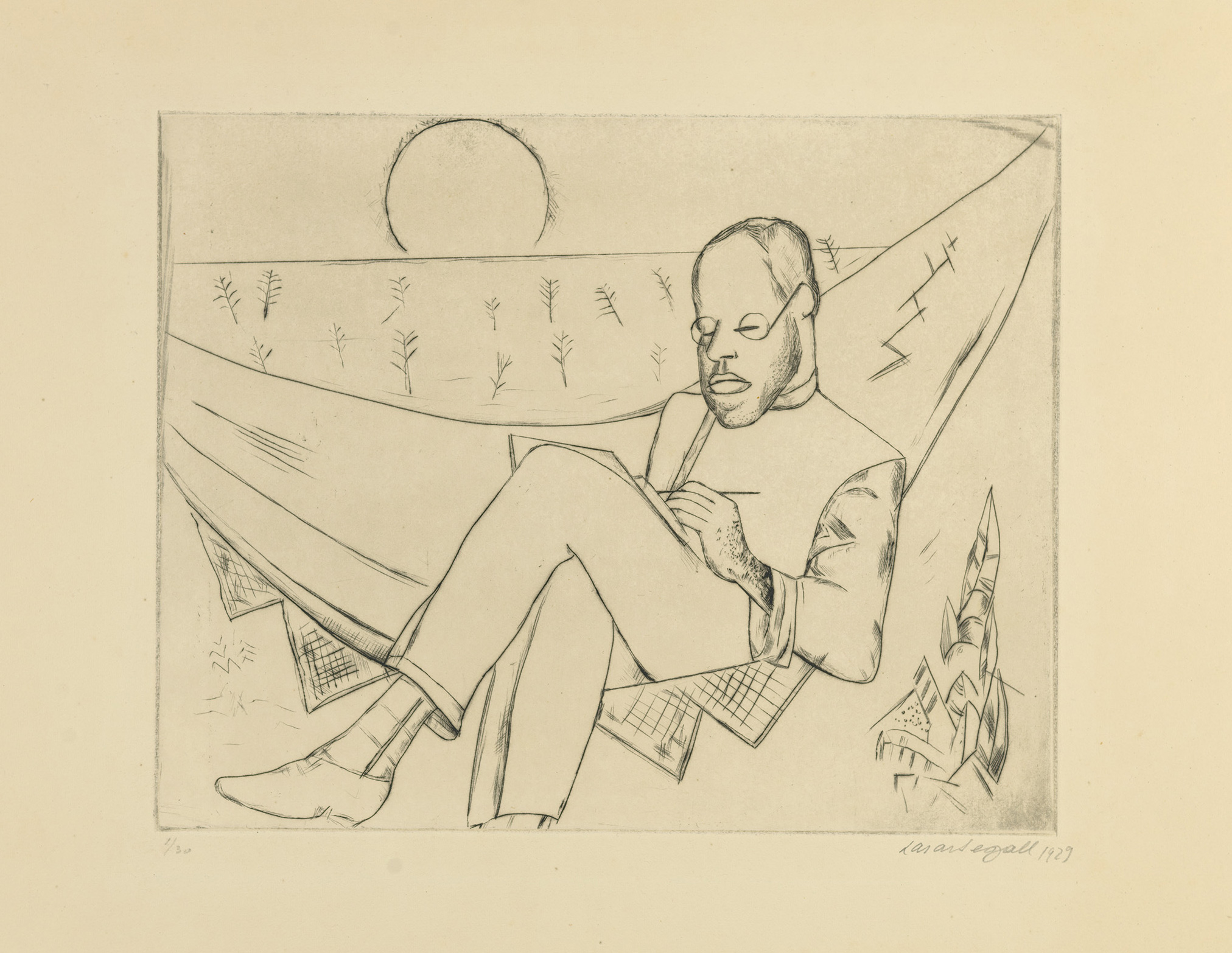
Segall's figure is cut in half by the photographer's gaze – which prioritizes, in the center, a group of glossy and fruitless banana trees. In the background, the deforested hills and varied vegetation indicate a landscape of farmlands. The artist's posture is relaxed, and the fact that he is crouched down seems to signify a desire to share the space with the banana trees and the landscape – perhaps an attempt to insert himself into the new land. The connection to Bananal comes through the horizontal compositional structure organized into three planes – in the painting, however, Segall merges the second and third planes, synthesizing plants and landscape in the image of the banana grove.
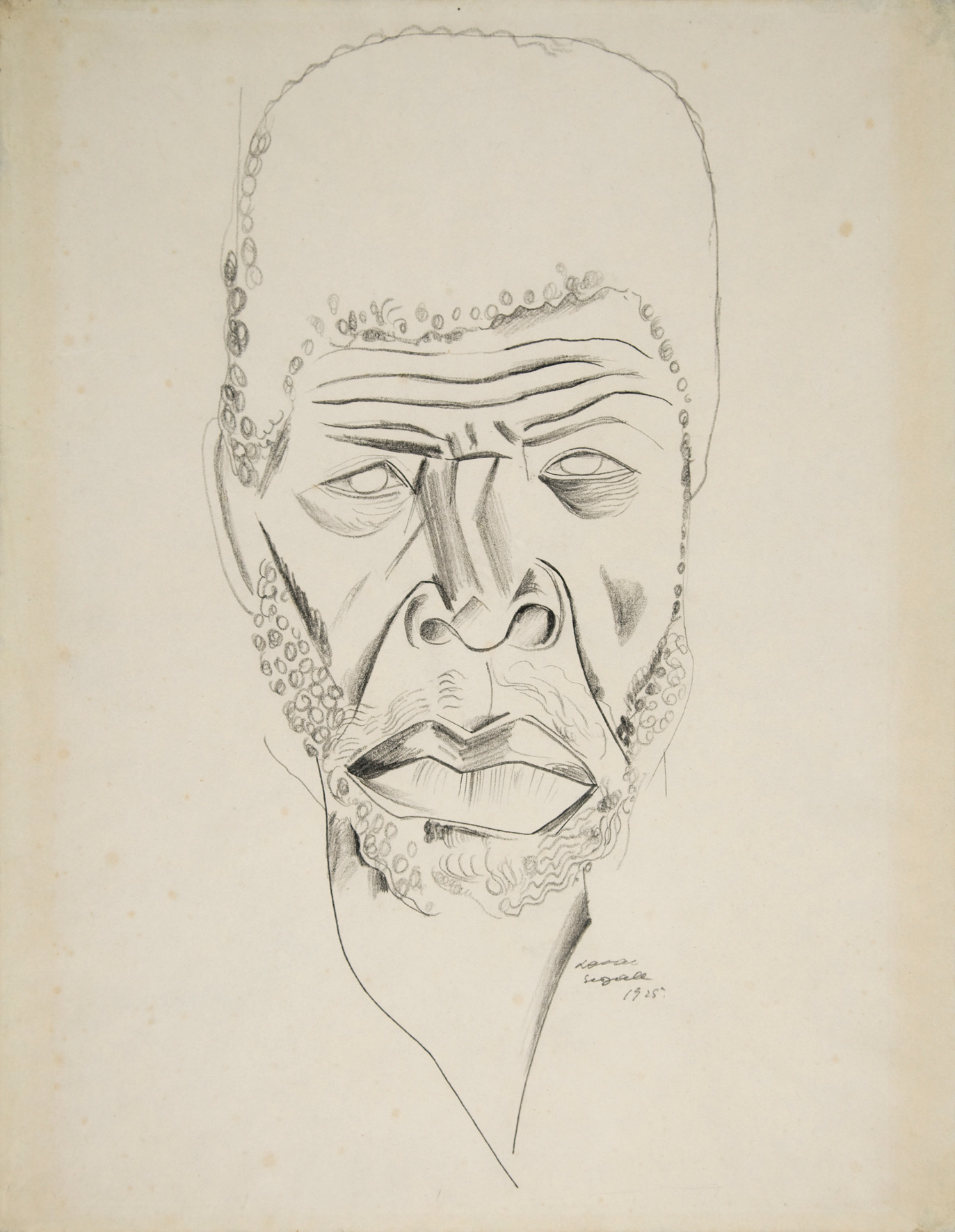
Olegario’s features convey strength and dignity; while his hair, lips and nose allow him to be identified as African, the wrinkles indicate that he is an elderly person or someone who has spent a lot of time in the sun, doing hard labor. The empty eyes may be those of a blind man, or the clear eyes of a mixed-race person. The lips - which have the same design as those of Segall in one of his self-portraits - also refer to the issue of miscegenation. This shows itself as a fundamental question of his personality and his feeling of uprooting, which sees the Jews as eternal migrants and identifies with the Africans displaced/bducted by slavery. In Bananal the portrait is directly used, but the figure loses its unique personality to become a representative of a whole race or people. Still, it is Olegario who bases the existence of the mythical black person in the 1927 painting, and, for Segall, it is only empathy with the individual that justifies the invention of the "collective being".
Still Life
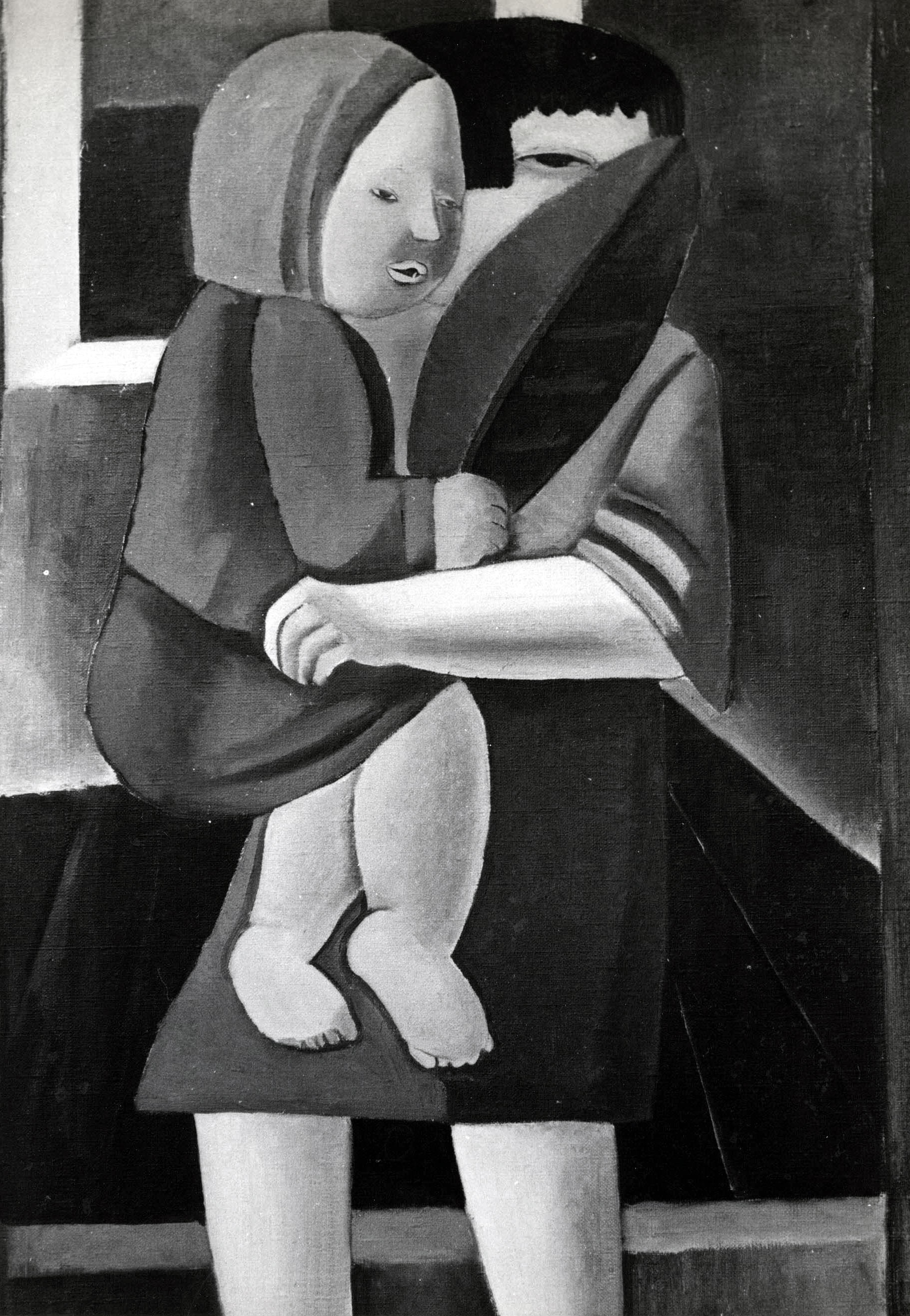
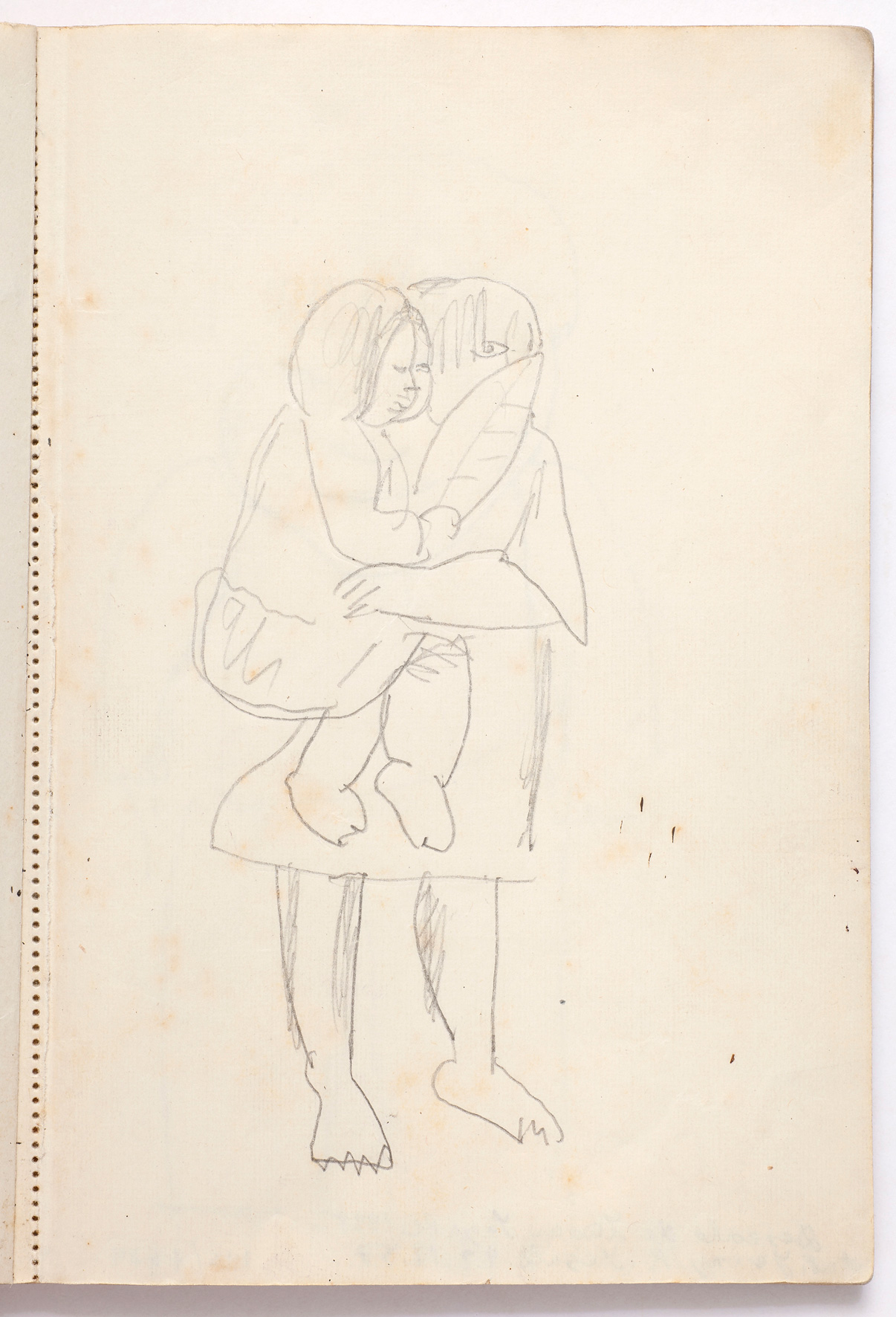
Crianças com folha de bananeira (Children with banana leaf) - now disappeared -, in turn, demonstrates a critical reflection on the "Brazilian phase". Segall turns to the austere and sad indoor spaces. Despite the commonplace subject, the shape of the figures is solemn and detached from everyday life, which is reinforced by the stability of the composition and the lowered colors. In the hands of one of the children, there is a single banana leaf, as Tarsila had already done in A negra (1923). However, such a leaf has no great importance in the composition: it does not stand out in terms of shape or color, its green without vigour making it "dead". It is not lush or tropical, and tells us little about the "realism" of the previous phase. Now, the banana tree is just a faded reference, with no landscape and no country.
Expedition to the Virgin Forests of Spamolândia
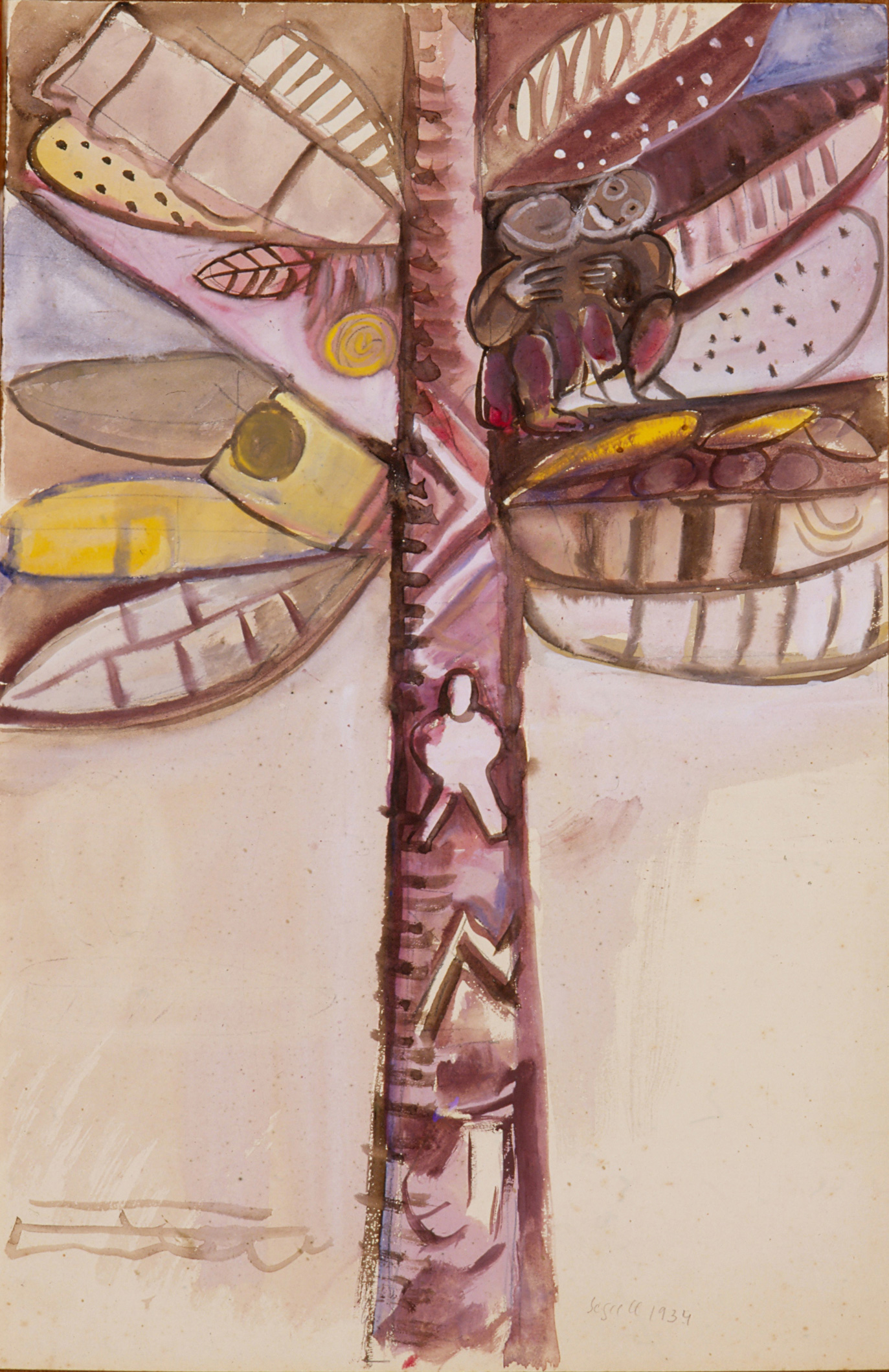
The carnival ball organized by the Sociedade Pró-Arte Moderna (SPAM) in 1934 involved Segall, his wife Jenny Klabin Segall and several other artists in creating sets, invitations and costumes - as well as an elaborate anthropophagic ceremonial. At first sight, it is a celebration of the exotic character of Brazil - something surprising, considering Segall’s commitment to a non-superficial reading of brasilidade. There are bunches of bananas, a vegetation "stunning", fantastic animals and generic indigenous, with an apparent praise from the colonizer. However, a closer analysis shows that the project is permeated by caricature and exaggeration, sarcasm and irony: being carnivalically celebrated, exoticism is unveiled and problematized the idea of a Brazil identified as the other. It is noticed that all the elements of the ball reinforce stereotypes about the country. Segall proceeds, thus, to a review of the place of bananas and banana trees in his artwork, aware of the increasing place that they occupied in mass culture - with figures such as Carmen Miranda, for example. In the 1930s, the "Brazilian phase" ends and the artist lost interest in banana trees and bananas, retreating, significantly, to the pine forests of Campos do Jordão.
Lasar Segall: other landscapes on the horizon
In the tradition of Western art history, the landscape only becomes independent genre from the seventeenth century. After centuries serving as scenery, background or element of effect and decoration, the registration of a visually faithful impression of nature becomes accepted as a sufficient purpose in itself, experiencing enormous acceptance among the public.
Throughout the 19th century, the interest in naturalistic representation gives way to research on the dynamics of painting. The canvases become treatises on how paints and lines form mountains and beaches, clouds and light.
Lasar Segall inverted the meaning of this investigation: the techniques of his craft served for a dive into himself. The work fixed on the canvas presents a vision of the world from the inner images of the artist. He doesn't simply paint what he sees, but what he feels as he sees. The forms are distorted, the colors move away from those that seem to emanate from the surface of things.
Segall exercised the landscape in various ways, sometimes replacing it as a background element, sometimes accentuating with them the feelings and emotions that he wanted to imprint on the set, sometimes bringing it to the center of attention, reiterating its independence as a gender. At the same time, the artist incorporated urban landscapes into his artworks, treating them not only in their physical aspects, but emphasizing their charge of memories, uses and meanings.
Throughout his career, Segall reinvented himself continuously, developing new ways to express his inner images in landscapes, composing a set that witnesses an incessant search. The transformations in the ways of representing the world can be seen in this module of the exhibition: the sober and angular landscapes of his time in Europe are succeeded by the expansion of color and light from his contact with Brazil; the serene
tones that it develops later by fixing social dramas and the bucolic placidity of the countryside condense in the verticals of trunks in his forests, which advance to the edge of figurativism. When he died, in 1957, he left an unfinished artwork on a drawing board, a dense bundle of stems, his last forest.


European Roots
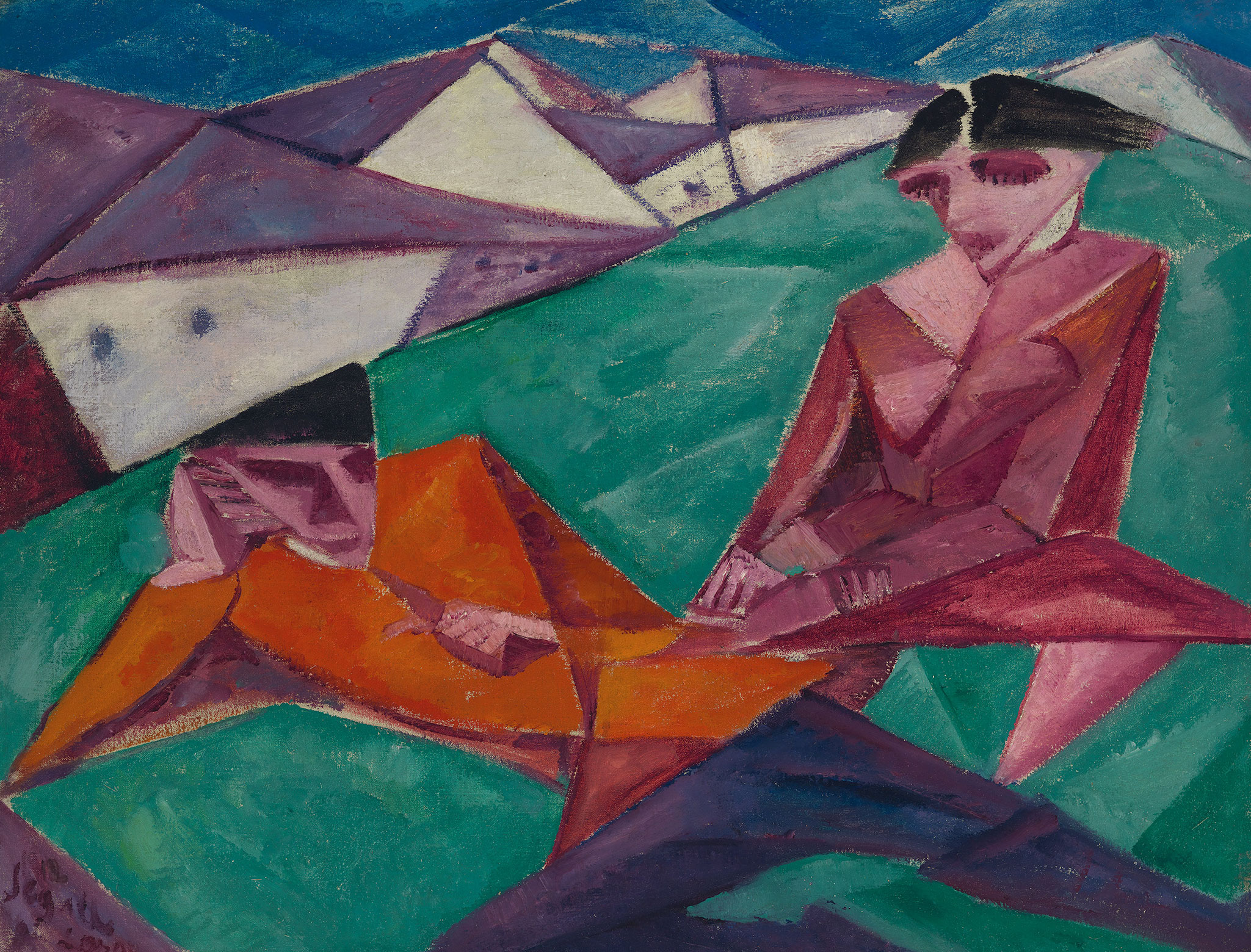
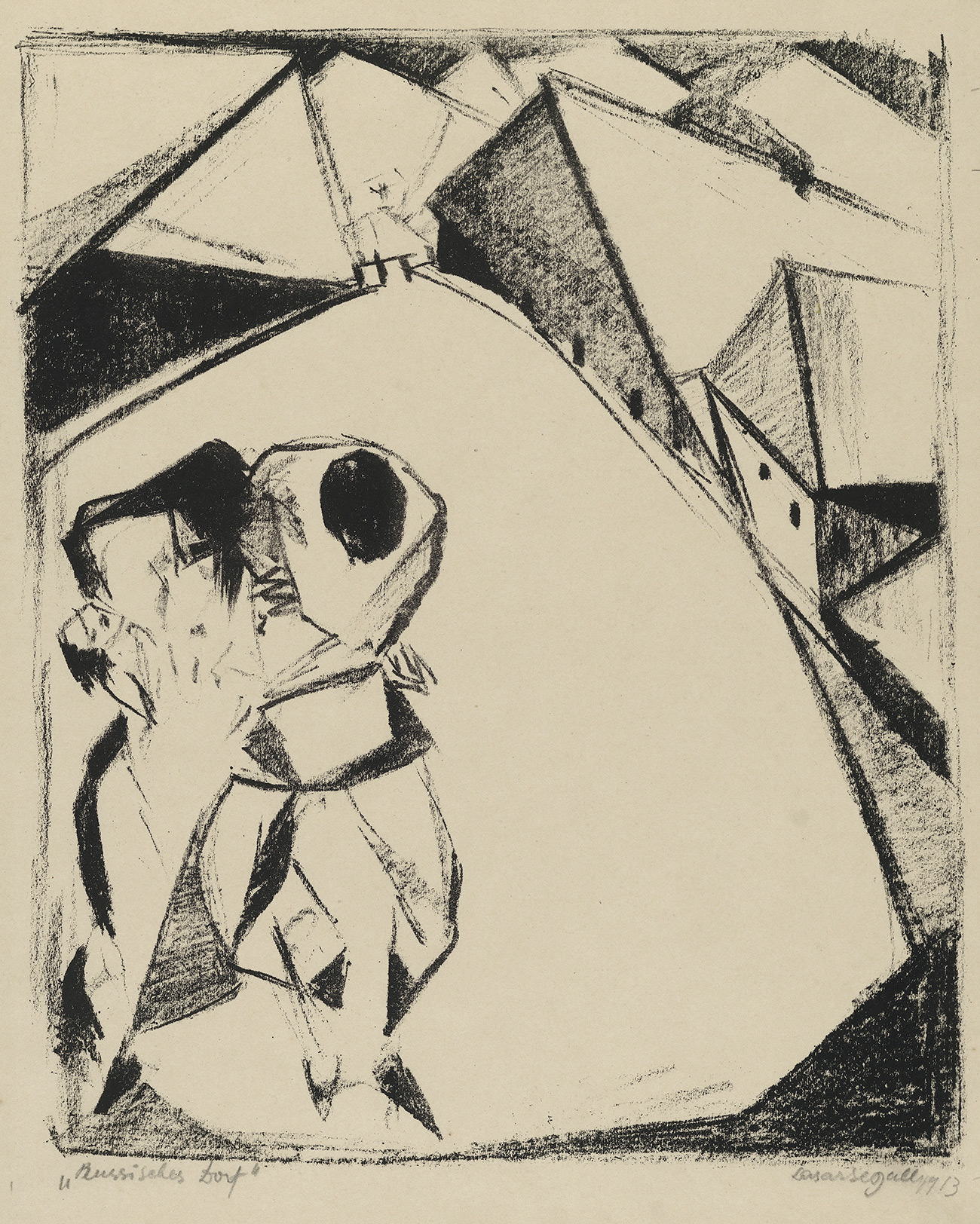

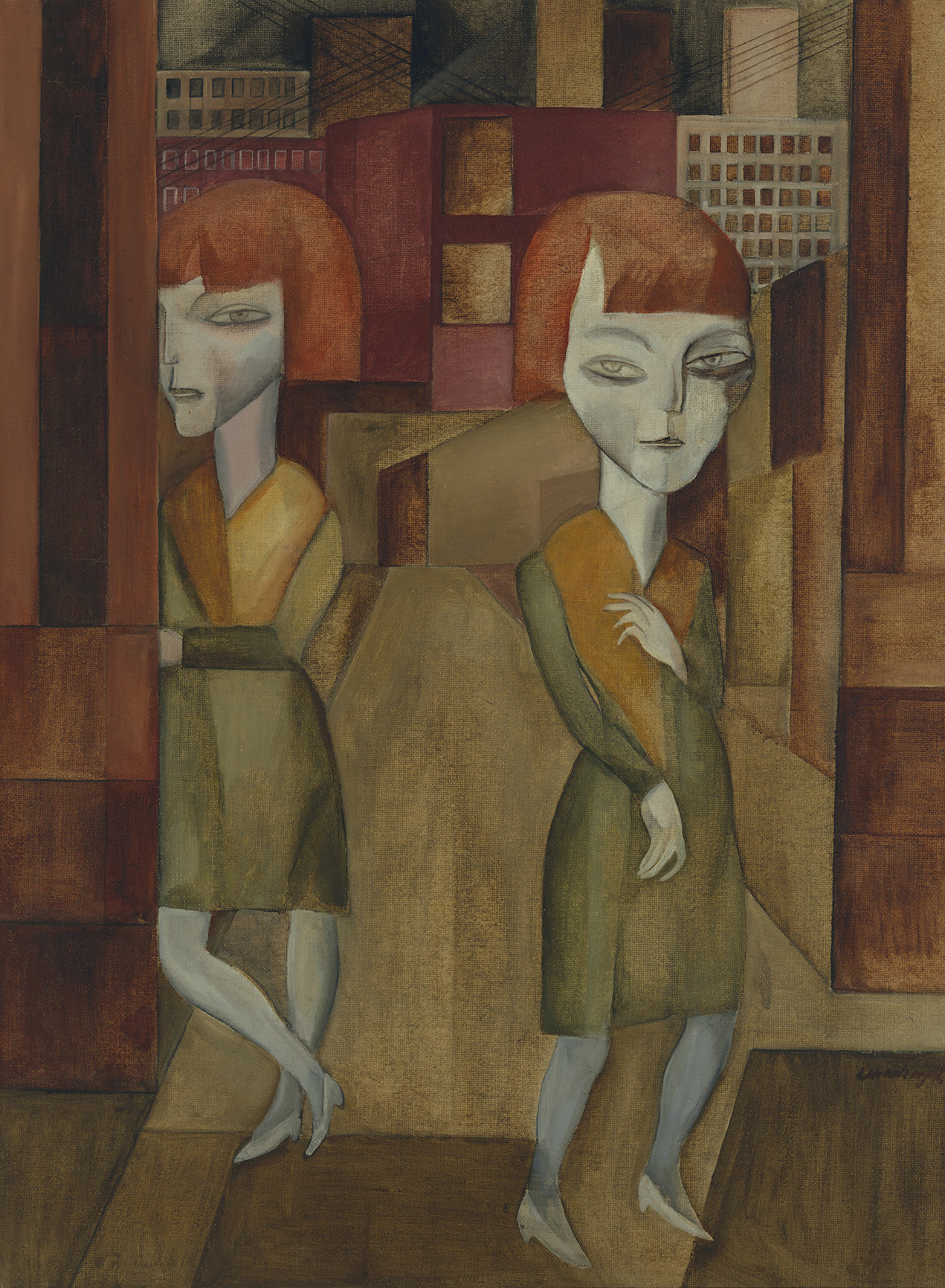
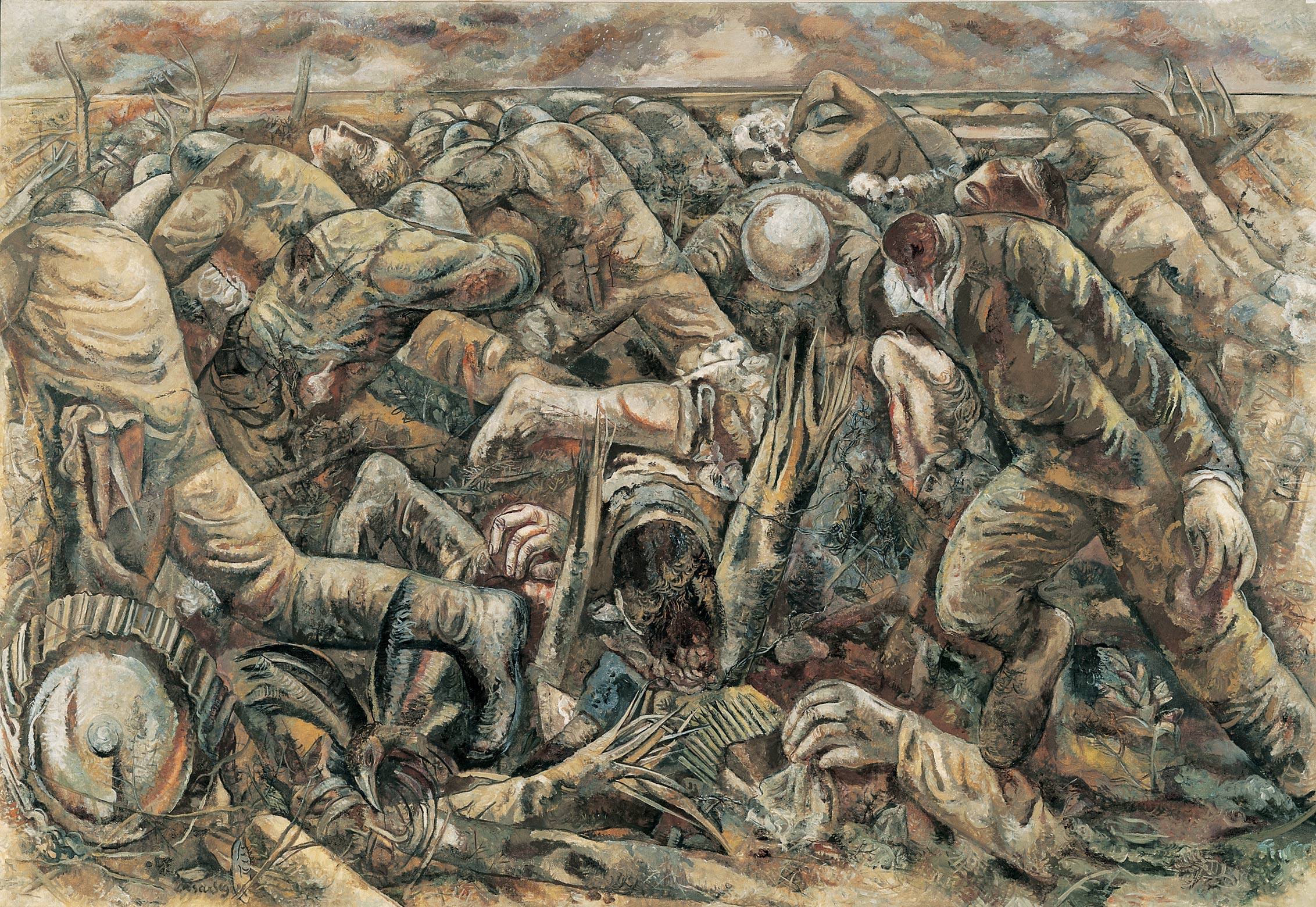
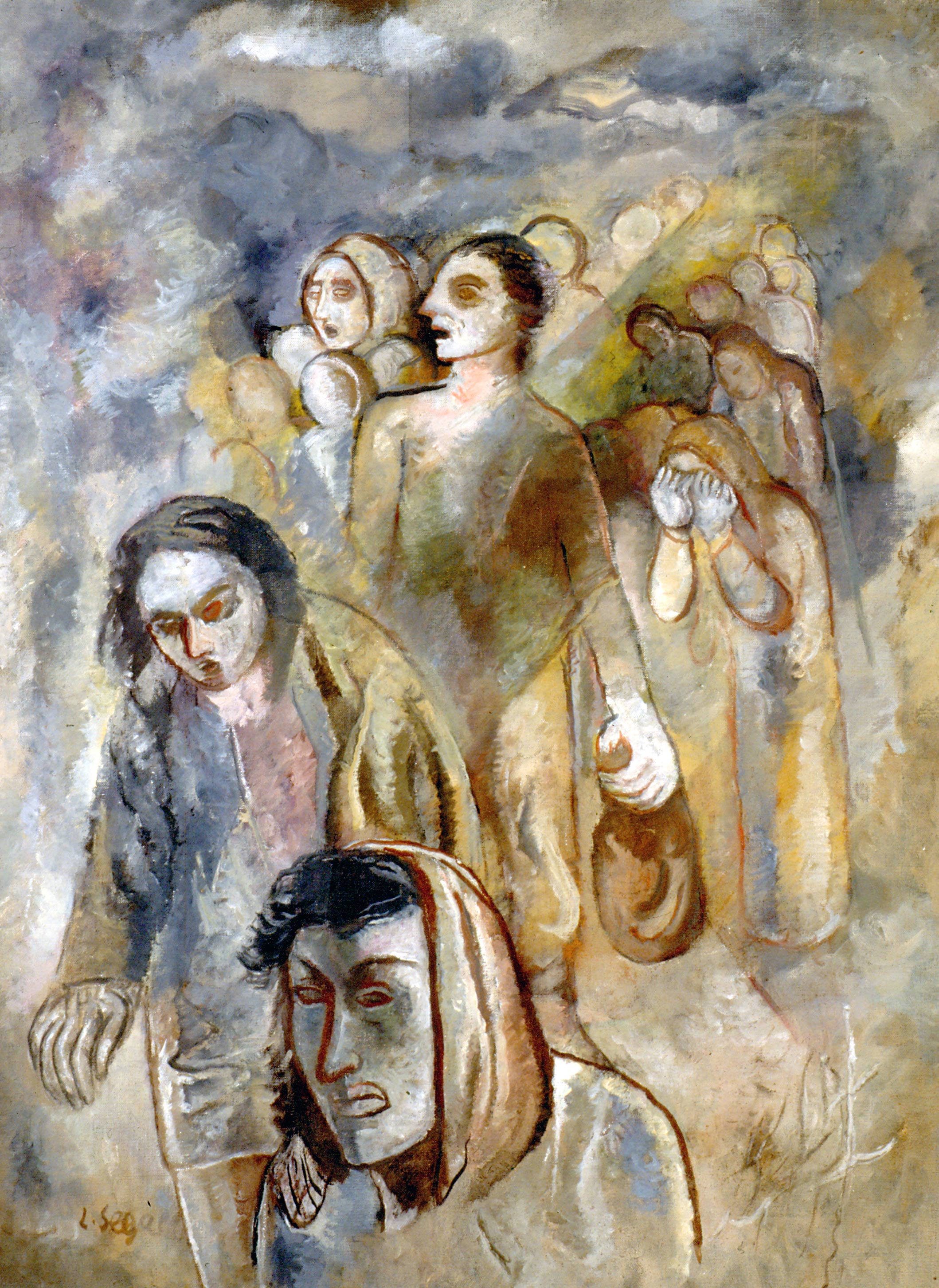
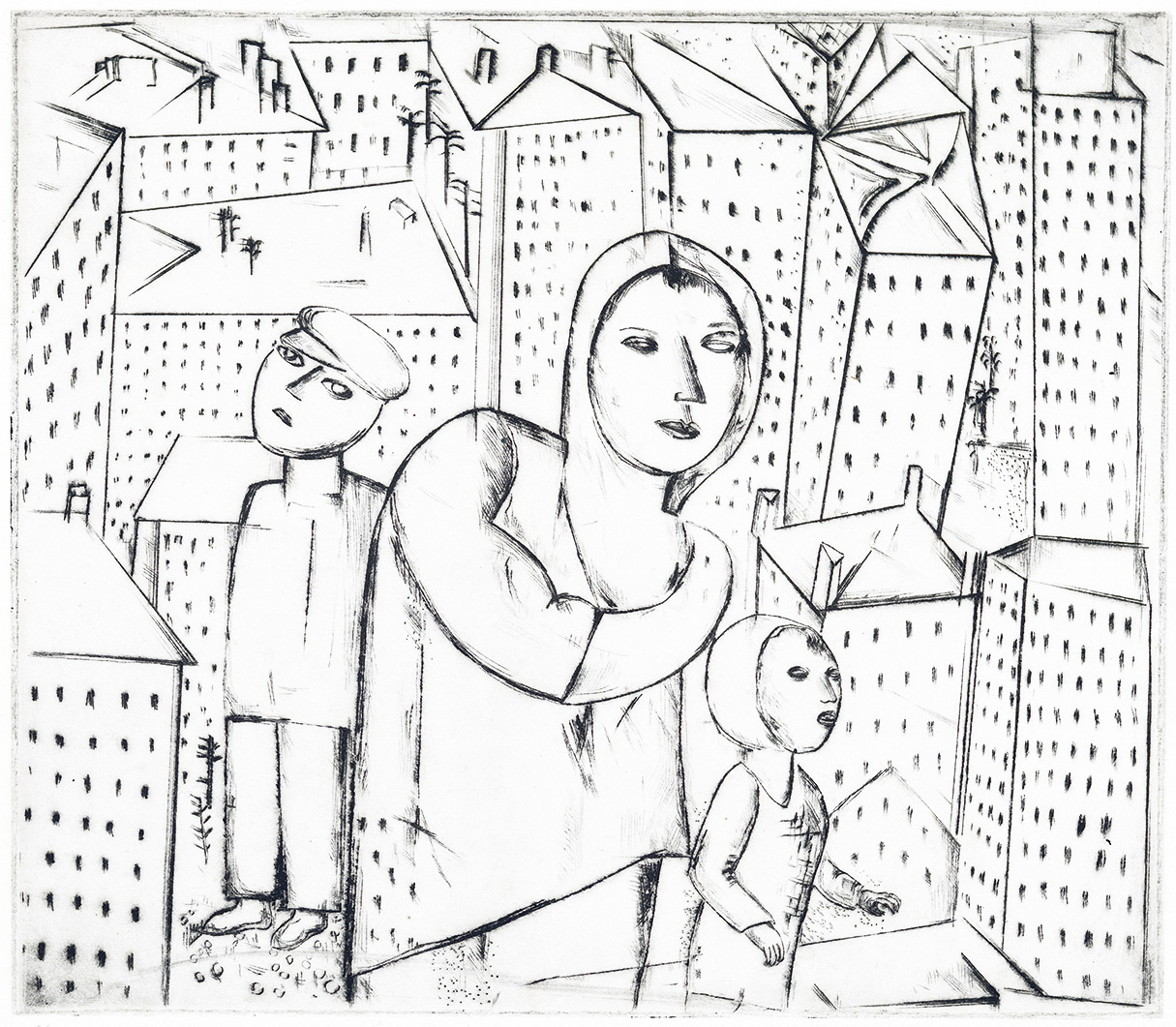
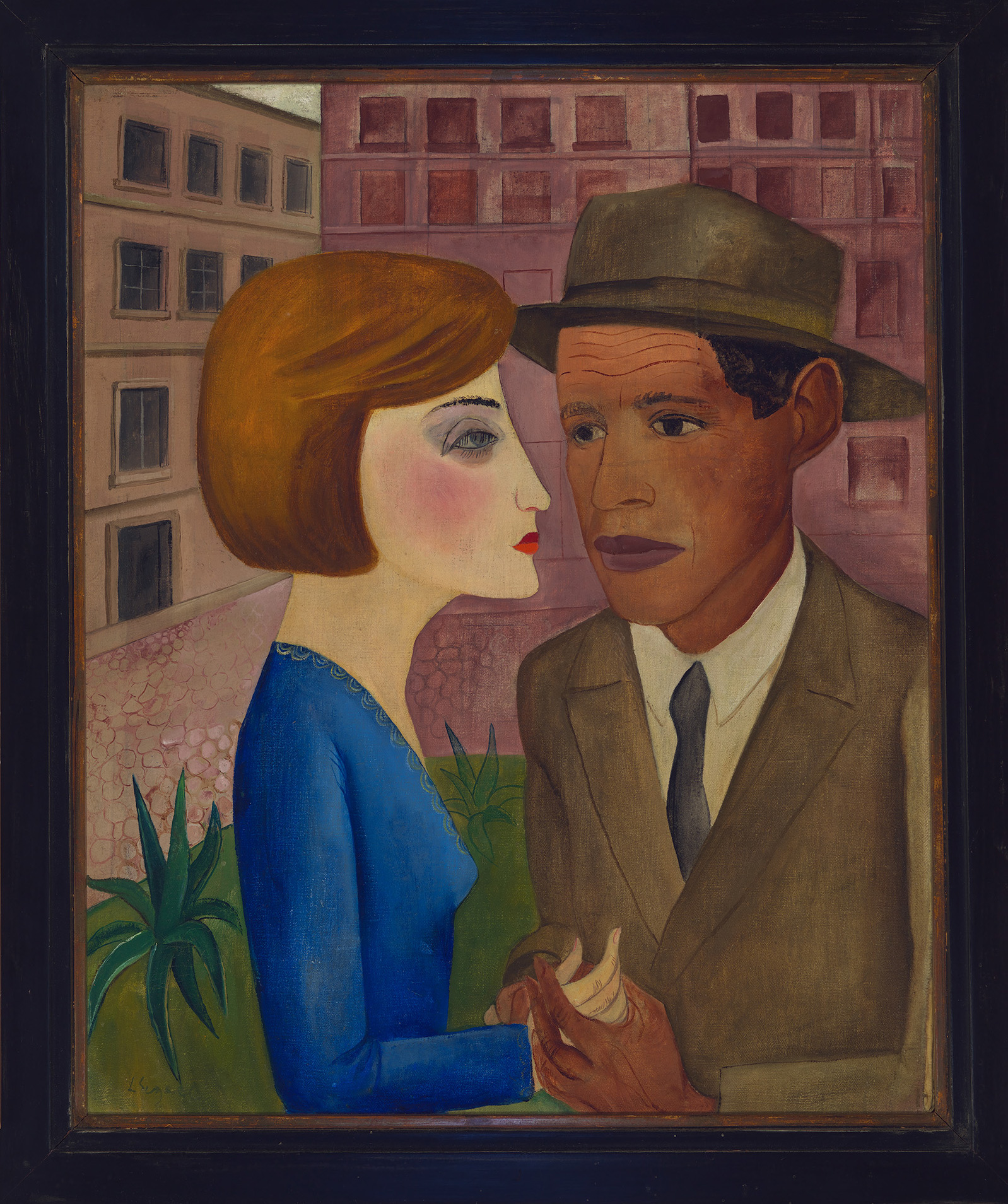
In the set of landscapes of Lasar Segall, stand out those that were produced before his migration to Brazil, in 1923, depicting the places where he lived in Europe. His hometown, Vilnius, in present-day Lithuania, punctuated by medieval remains, captivated the painter’s gaze, appearing in impressions of Jewish neighborhoods. In Germany, between Berlin and Dresden, Segall found himself facing another world and other landscapes. The economic difficulties that the country faced, especially after the defeat in the First World War (1914-1918), leave visible marks on the scene, transposed to the artworks. The sidewalks of big cities become the arena of an endless parade of supplicants, often former soldiers mutilated. Prostitution, an activity also developed in the streets, gains emphasis as a theme in the production of the time.
A country break comes between of Segall’s artwork also during the war, due to a forced stay in the city of Meissen, where he was taken because he was a citizen of an enemy nation. There he performs several outdoor paintings.
The urban landscape of Lasar Segall, in his German period, presents the marks imposed by industrialization, such as chimneys, wires and electric poles, in addition to the large vertical residential complexes that housed the working population.
Opposite fields: lyrical and dramatic
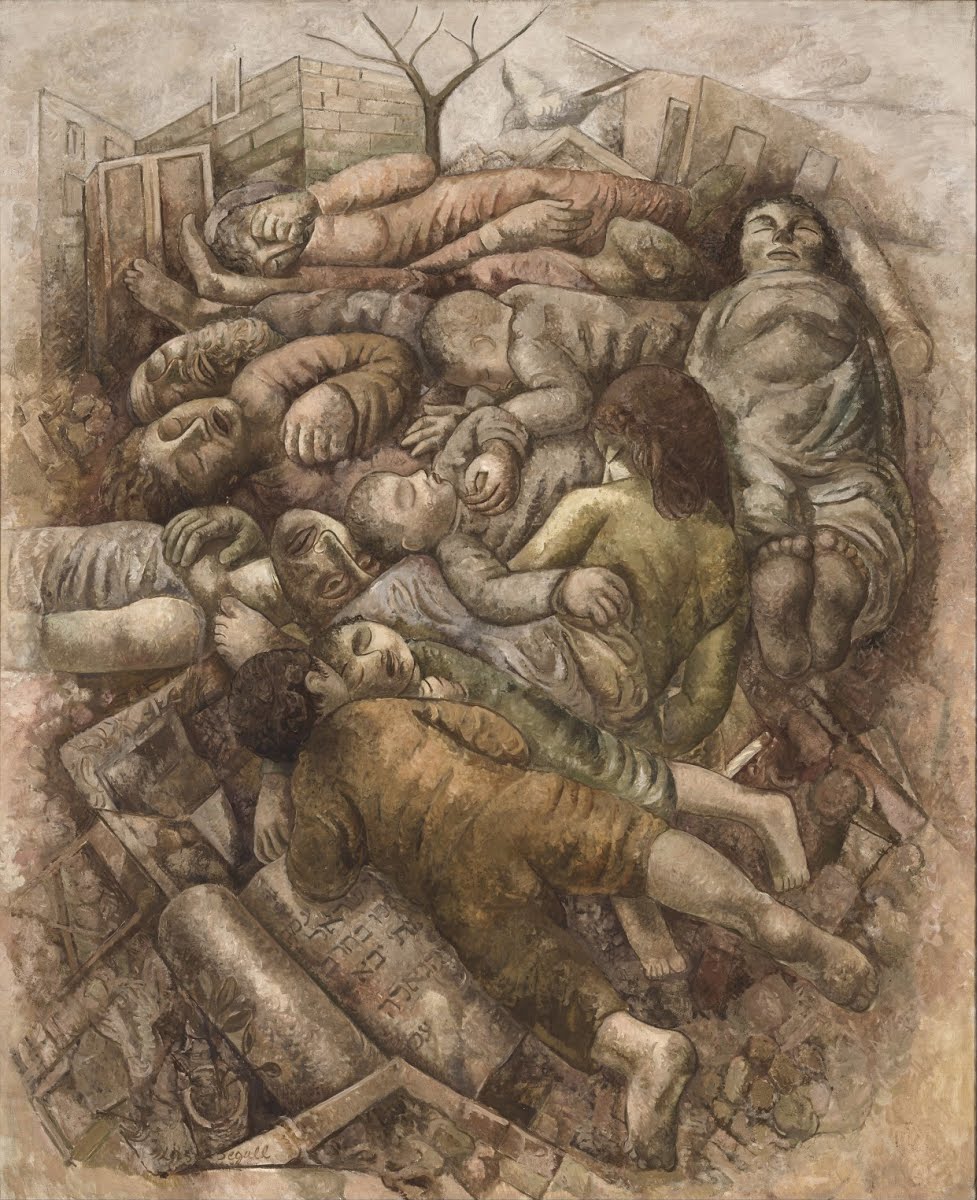
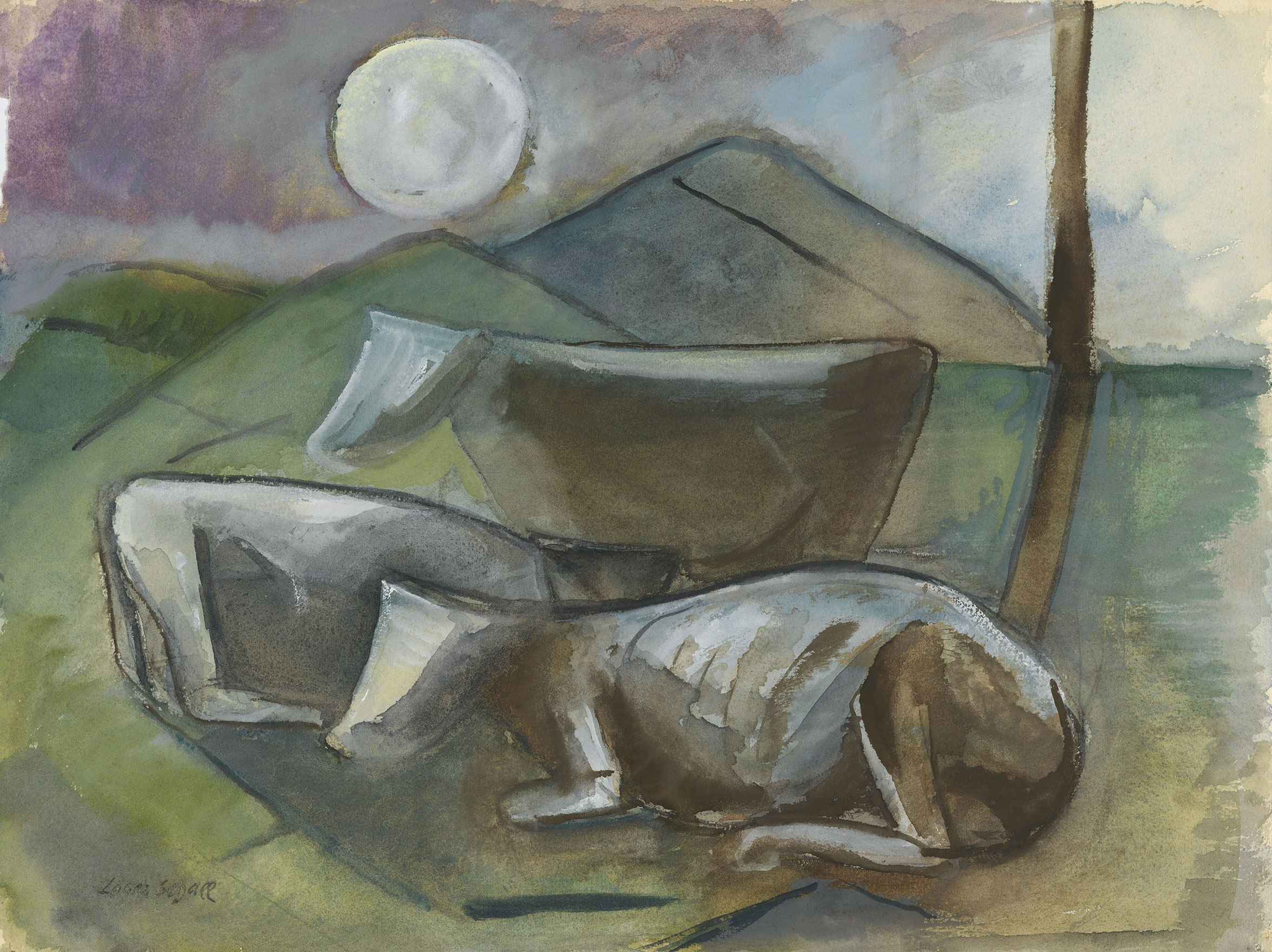
In the 1930s and 1940s, with the rise of fascists, genocides and wars, the work of Lasar Segall gains more clearly political contours. He begins to produce and display what he called "great social compositions". On the other hand, seeking refuge and relief, he is interested in rural landscapes, such as those found in the city of Campos do Jordão. The landscapes serve, in this way, to contrasting functions: in the social artworks, develops in the foreground; in rural images, they offer comfort to the soul weary by the tension of historical catastrophes.

São Paulos


The land of the State of São Paulo offered Lasar Segall a wide variety of landscapes, which began to appear in his works from the 1920s. The undulations of the Serra da Mantiqueira (Mantiqueira Mountains), with soft light of mild temperature, contrast with the horizontality of the seaside areas, whose beaches and ports Segall extracts elements for his art, as well as the great urban spot of the expanding capital, surrounded by the intense red of the cultivable lands, from where the coffee wealth sprouted. All this diversity is transplanted to the paintings, engravings and drawings.

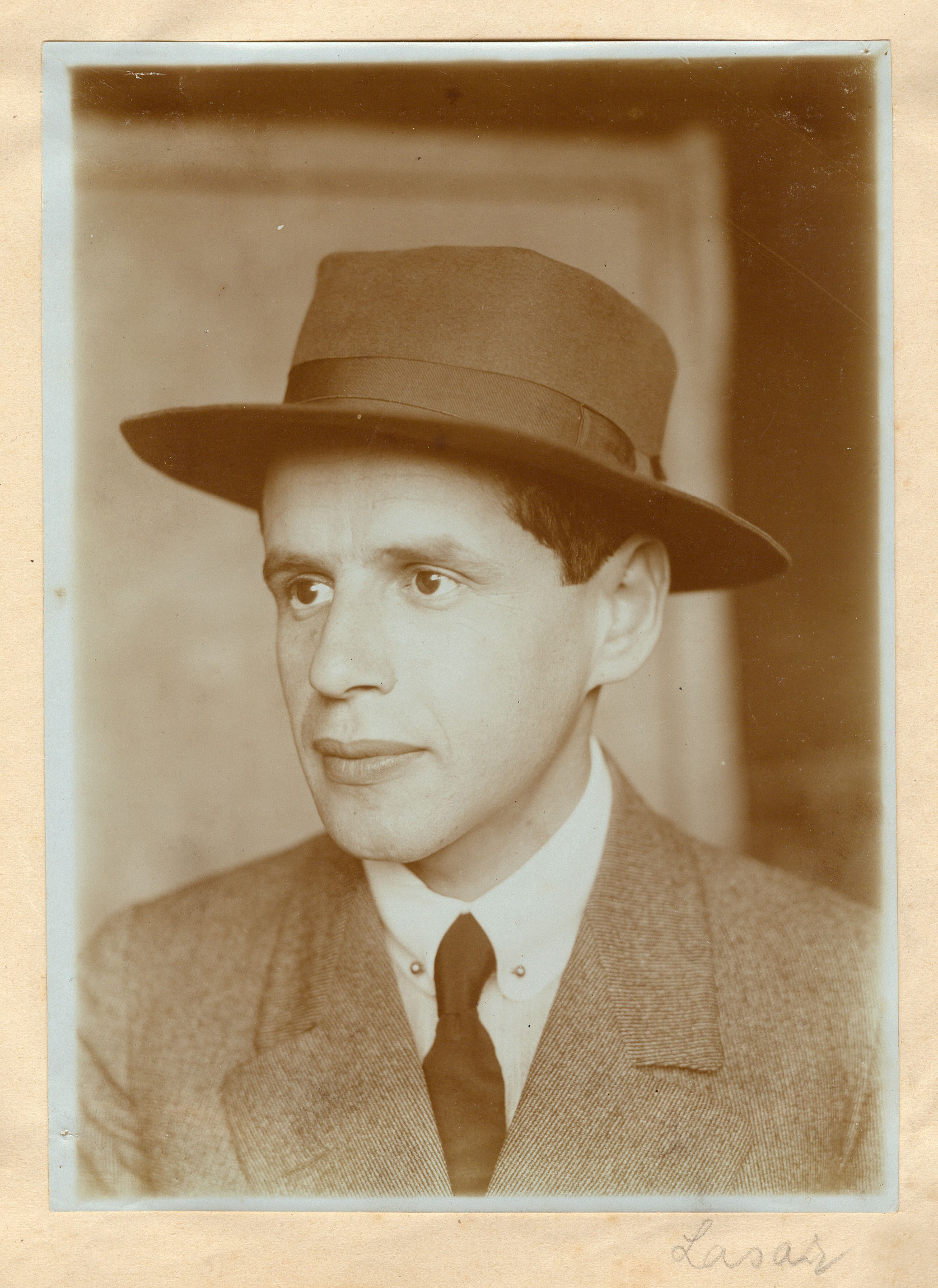
From the hill to the slum
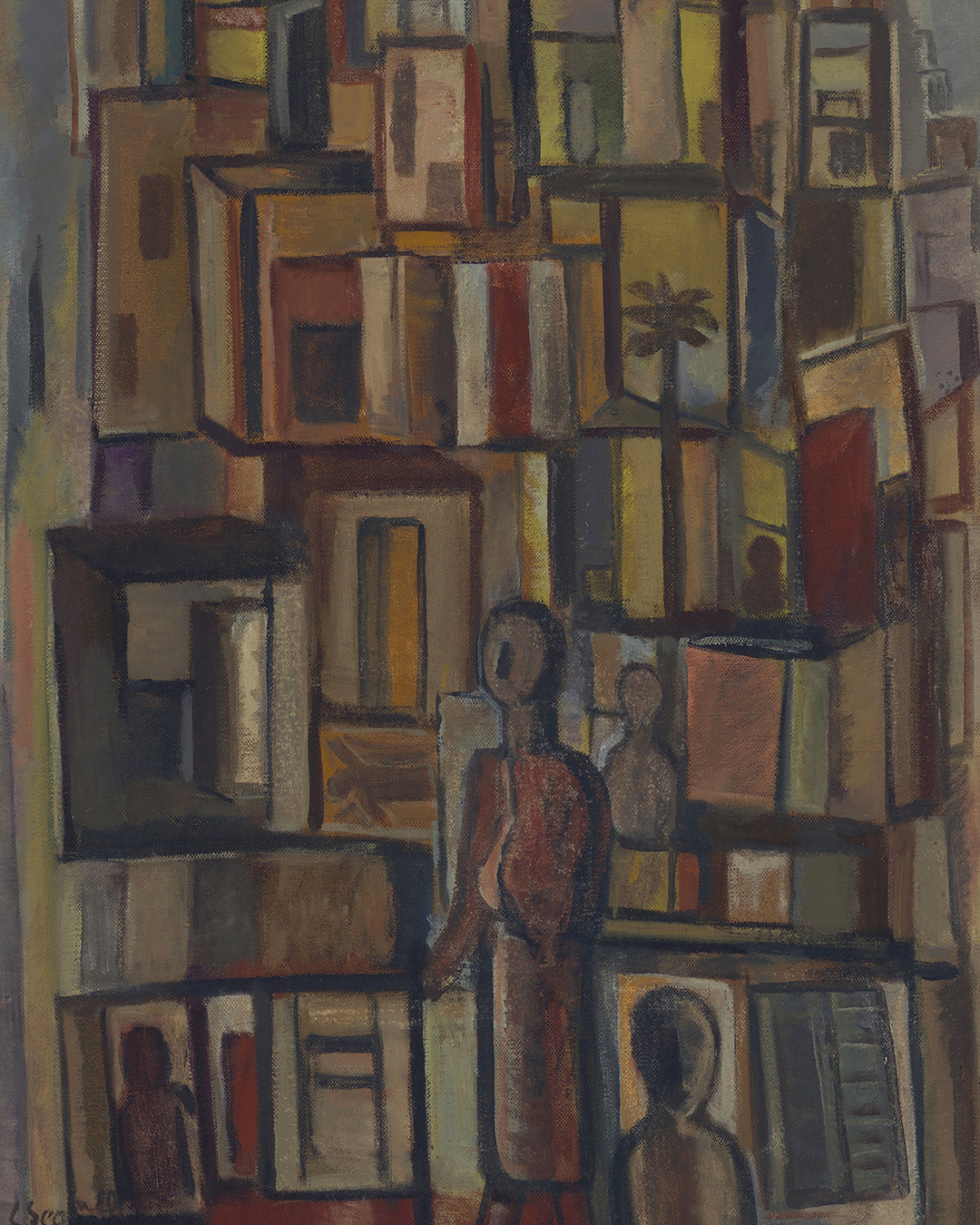
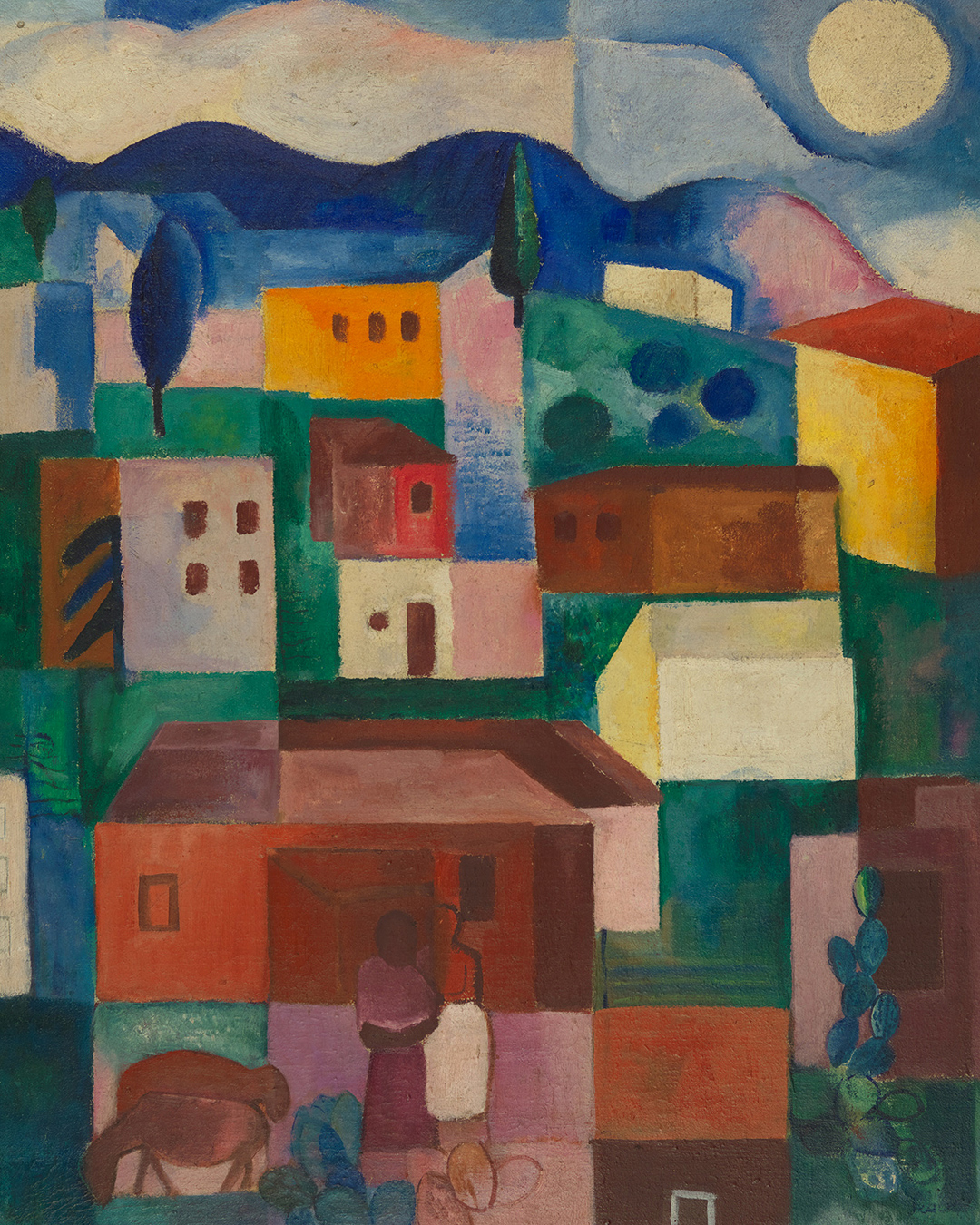
Entry port to Brazil, in Rio de Janeiro, Lasar Segall has a first contact with the landscape of the tropics. The city surrounded by lush nature, bathed in a sun that seemed to intensify the colors, offered an irresistible spectacle to the artist’s eyes. Segall portrays Rio de Janeiro from different perspectives: the city can still be seen from inside the ship, the curvature of the bow is blending with the sinuous lines of the hills. Port scenes extend to the area of the mangrove, in the conviviality between seafarers and prostitutes.
But it seems to be even in the hills that the artist will find the visual synthesis between Brazilian nature and society. On the green masses that rose around the city of Rio de Janeiro, houses begin to appear, at first sparse and rural; then, thickening and covering the slopes in a geometric profusion captured in tons now colorful, now monochromatic.


Forests
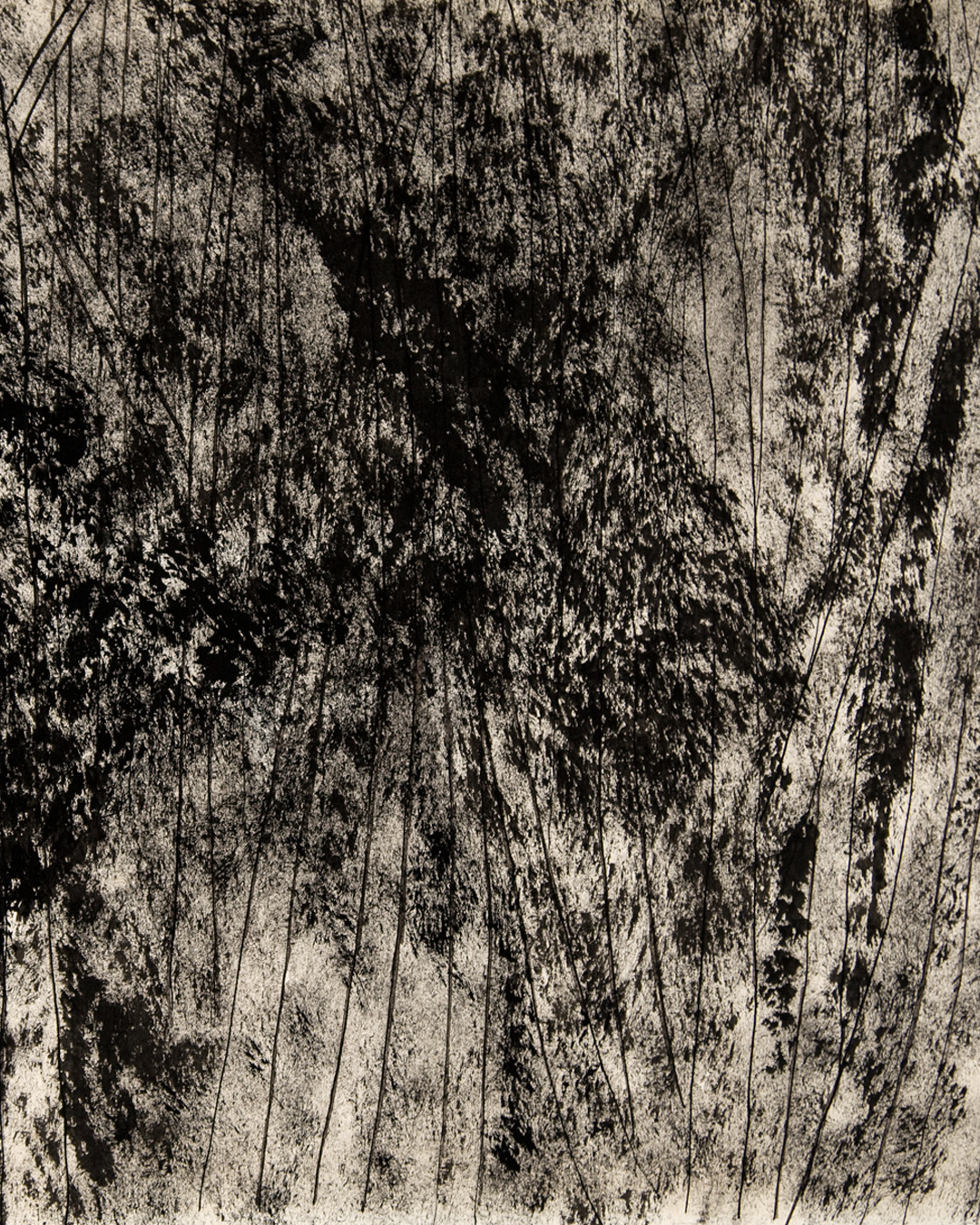
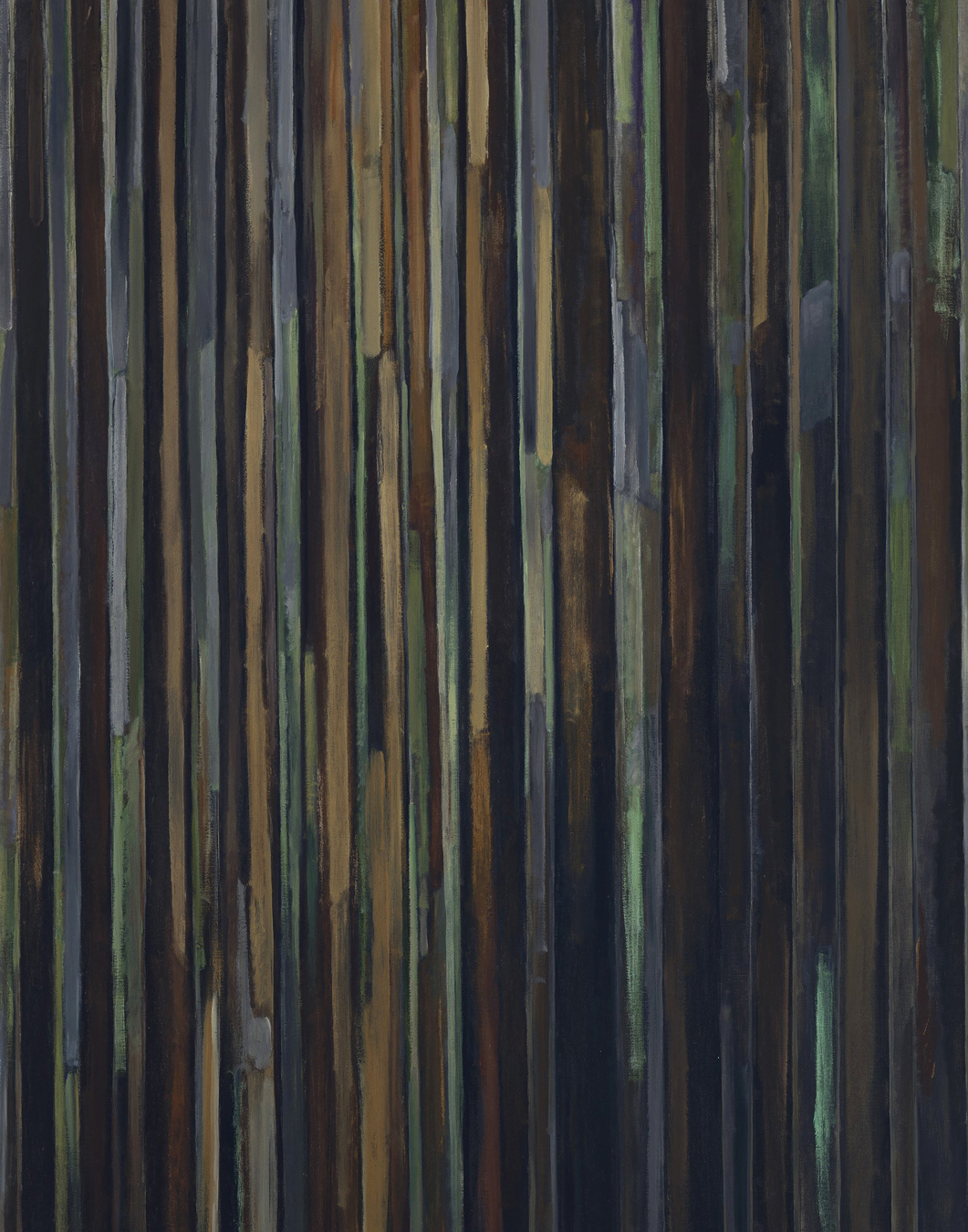
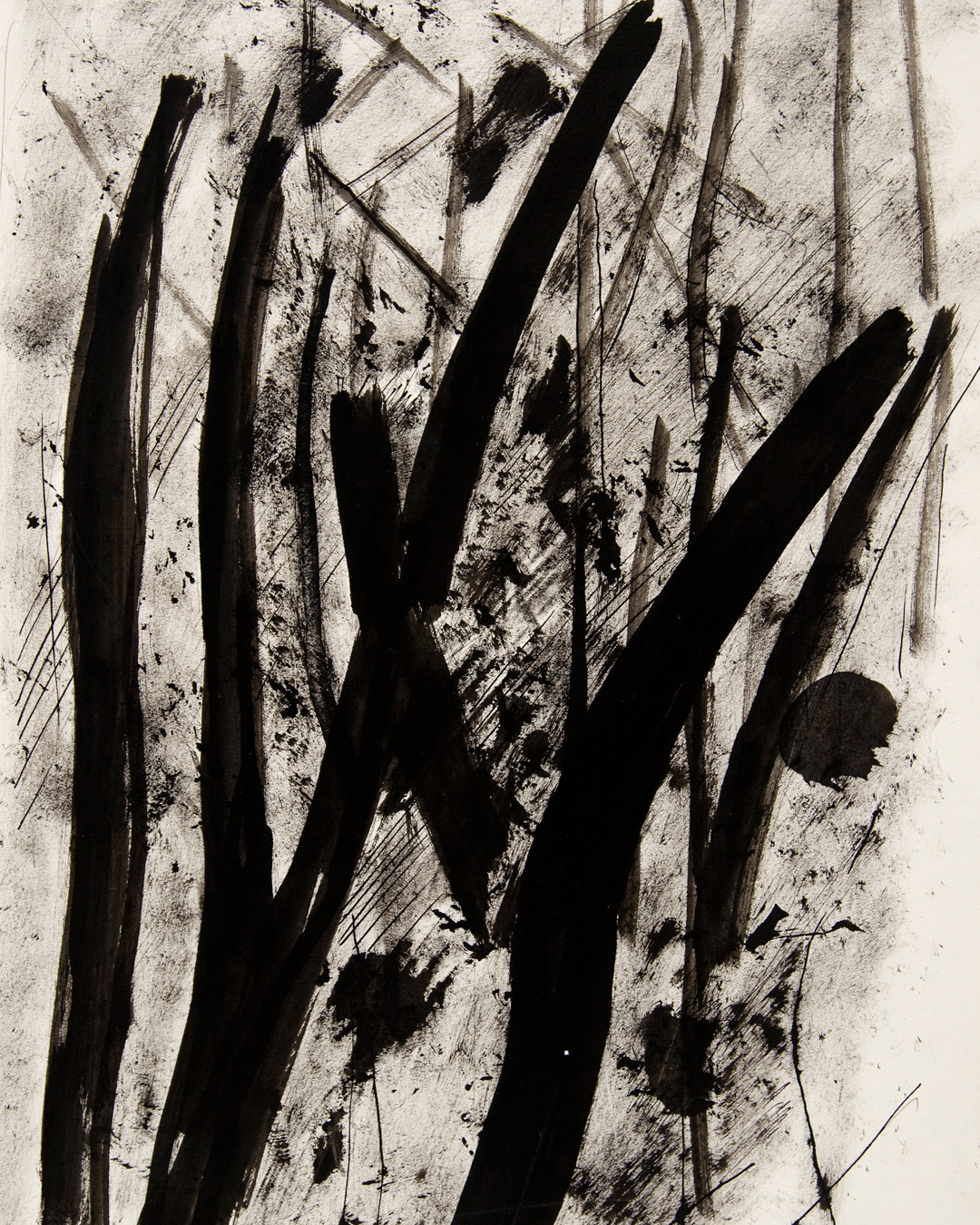
In his last years of life, Lasar Segall produced a set of artworks inspired by the forests of Campos do Jordão. Displayed publicly at the 3rd Bienal de Artes de São Paulo, in 1955, the compositions marked by vertical beams piqued the curiosity of art critics of the time. Some people even suggested that these artworks signaled a shift from Segall’s painting towards abstractionism.
The artist’s eldest son, Mauricio Segall, categorically stated that the series did not mean a nod to abstractionism. Mauricio reaffirmed Segall’s commitment to figurative art and remembered conversations in which the father remained irreducible in his belief that art should reproduce "the real 'natural' and not use it as motivation to reach the 'abstract”. Mauricio acknowledged that there was refinement, verticalization and simplification in those artworks, but never admitted that there was any tendency to abandon the figurative.
The death of Segall, in 1957, interrupted this new trajectory and forces us to imagine the paths by which the artist’s production would follow.
Modernist landscape in the artistic production of Lasar Segall
Curated by Ana Carolina Carmona Ribeiro and Pierina Camargo
This exhibition is supported by the Federal Government of Brazil, the Aldir Blanc National Policy, the Government of the State of São Paulo, the São Paulo State Secretariat for Culture, Creative Economy and Industry, and Fomento CultSP
Open Wednesday to Monday, 11 am to 7 pm (closed on Tuesdays)
Free admission
Museu Lasar Segall (Ibram/MinC)
Rua Berta 111, Vila Mariana, São Paulo
Santa Cruz metro station
Exhibition photographs: Nilton Fukuda
