Notícias
SPECIALIZATION
HU-UFGD has a pioneering program of Multiprofessional Residency in Attention to Indigenous Health
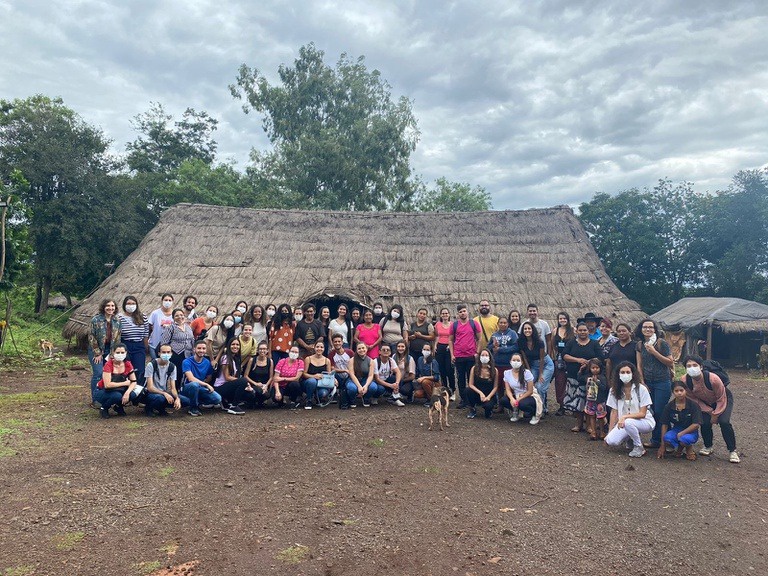
Residents from HU-UFGD at the Jaguapiru indigenous village
The Multiprofessional Residency Program in Attention to Indigenous Health, offered since 2010 by the University Hospital of the Federal University of Grande Dourados (HU-UFGD), linked to the Brazilian Company of Hospital Services (Ebserh), is the first and, so far, the only one of its kind in the entire country. Intended for professionals graduated in the areas of Nursing, Psychology, and Nutrition, with two vacancies for each training, the Program aims to qualify the assistance to the indigenous population in tune with the needs pointed out by the community itself, respecting knowledge, values, and traditional customs.
HU-UFGD is, indeed, the third hospital that most serves indigenous people in Brazil, recording, from 2019 to mid-2023, more than 8.2 thousand services, including hospitalizations, consultations, and outpatient services. According to the hospital superintendent, Doctor Hermeto Paschoalick, the Residency Program represents one of the main connections with the indigenous population of the region, remembering that the National Policy of Attention in Health of the Indigenous Population gives special emphasis to the territoriality of care.
"As we are the third hospital that most serves indigenous people in Brazil, we need to maintain the connection with the territory so that care happens according to needs identified from the population's perspective, which is mediated by the hospital's Indigenous Health Committee and by the Residency. Many of the professionals who work at the Base Pole and at DSEI [Special Indigenous Sanitary District] today aore graduates of HU, and help to understand and face the complexities of the relationship between hospital care and traditional care," reports the superintendent.
Population
The Dourados Indigenous Reserve, officially created over 120 years ago, is the largest indigenous reserve located in an urban area of the country, with a total of three thousand hectares between the municipalities of Dourados and Itaporã. The Reserve is composed of two villages (Jaguapiru and Bororó) and houses an estimated population of almost 20,000 people, from the Guarani (Nhandeva and Kaiowá) and Terena ethnic groups. In addition to the Reserve, there are several areas of repossession and camps on lands claimed as territory of these people.
In addition to Dourados, the HU-UFGD is a reference for 32 more municipalities that compose the microregion, where several other indigenous communities are located. In September 2022, the HU-UFGD restructured the Indigenous Health Committee (CSI), with the aim of gathering and improving actions, creating tools for the care of indigenous patients to be performed in a welcoming and humanized way.
"The commitment is to serve the indigenous population in all dimensions of their needs, reinforcement, identified from their own perspective. We still face cultural barriers and even prejudice, imposing the need for constant monitoring for the construction of inclusive and non-violent environments. The indigenous population in Dourados lives with violence, inside and outside their territory. I understand that the HU-UFGD/Ebserh has an important role in the fight for the rights and preservation of the health of these people", says the superintendent.
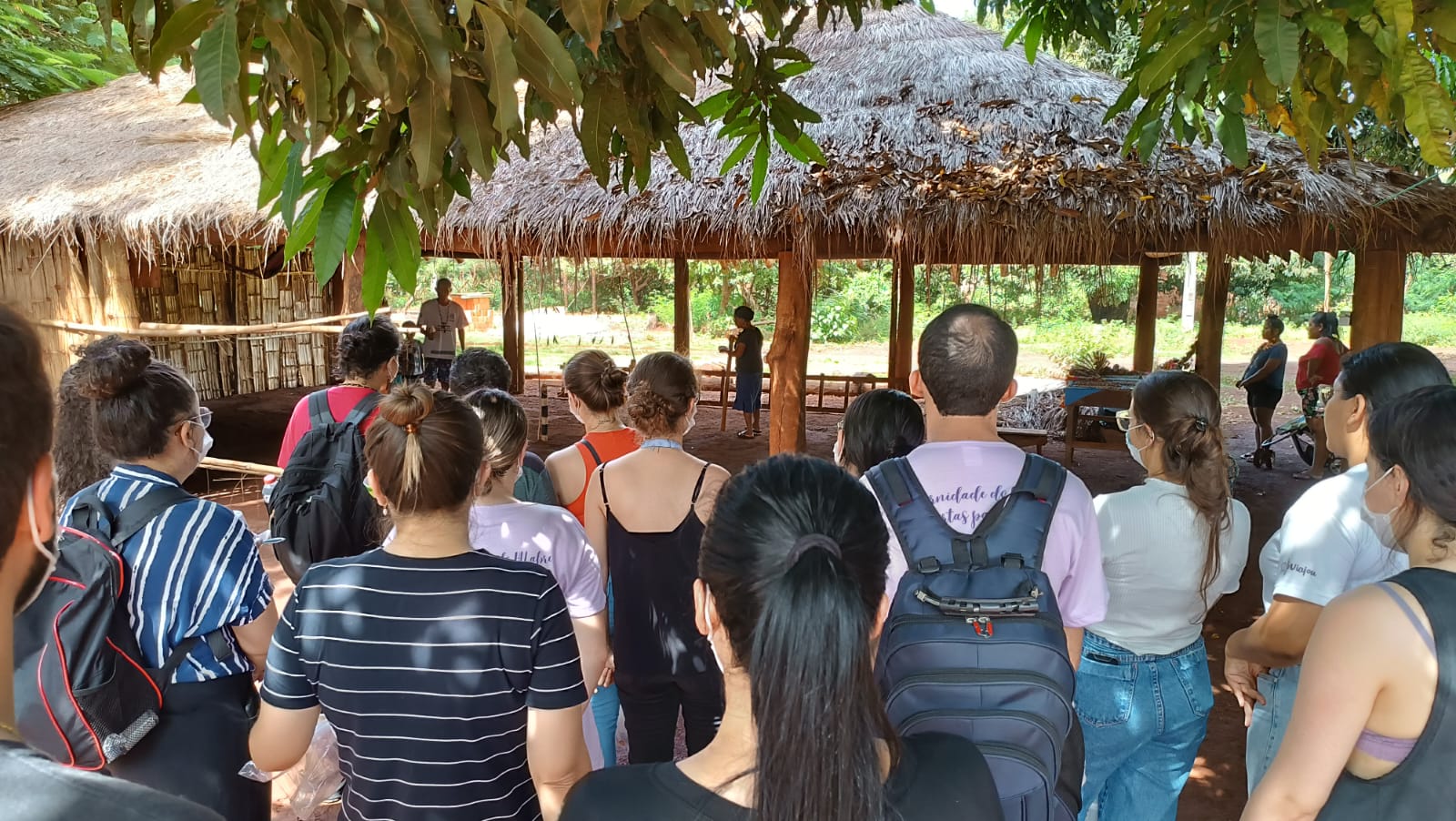
- Residents arriving at the village
Teaching and Qualified Assistance
"The project to transform HU-UFGD into a teaching hospital, along with the approval of Health Residencies by the Ministry of Education (MEC), marks an important step in the integration of teaching, research and community care. The inclusion of an emphasis on Indigenous Health in the Residencies is a direct response to local and regional needs, especially considering the significant presence of the indigenous population in the region", comments the coordinator and preceptor of the Residency Program in Attention to Indigenous Health, nurse Jacqueline Fioramonte.
According to Jacqueline, the multiprofessional approach in Health Residencies is fundamental to address the complex challenges faced by indigenous communities. "The active participation of residents in care processes and their integration with the local health team strengthen the bond between the community and health services, while providing a valuable opportunity for practical learning", she completes.
And she continues: "It is important to recognize the advances achieved so far, especially with regard to the training of qualified health professionals sensitive to the specific needs of the populations served. However, it is equally crucial to be aware of the ongoing challenges that need to be overcome, whether in solving specific health problems faced by indigenous communities or in ensuring quality education and care for all".
For the preceptor, the initiative to include an emphasis on Indigenous Health in the Residency Programs demonstrates the commitment to health equity and the promotion of access to health care for all communities, regardless of their ethnic or cultural origin. "It is an inspiring example of how teaching and health institutions can work in collaboration to tackle complex challenges and better serve the needs of the population", she considers.
Superintendent Hermeto also talks about ongoing projects: "We are studying the possibility of creating partnerships for the purchase and maintenance of equipment, in addition to the acquisition of inputs used in basic units.
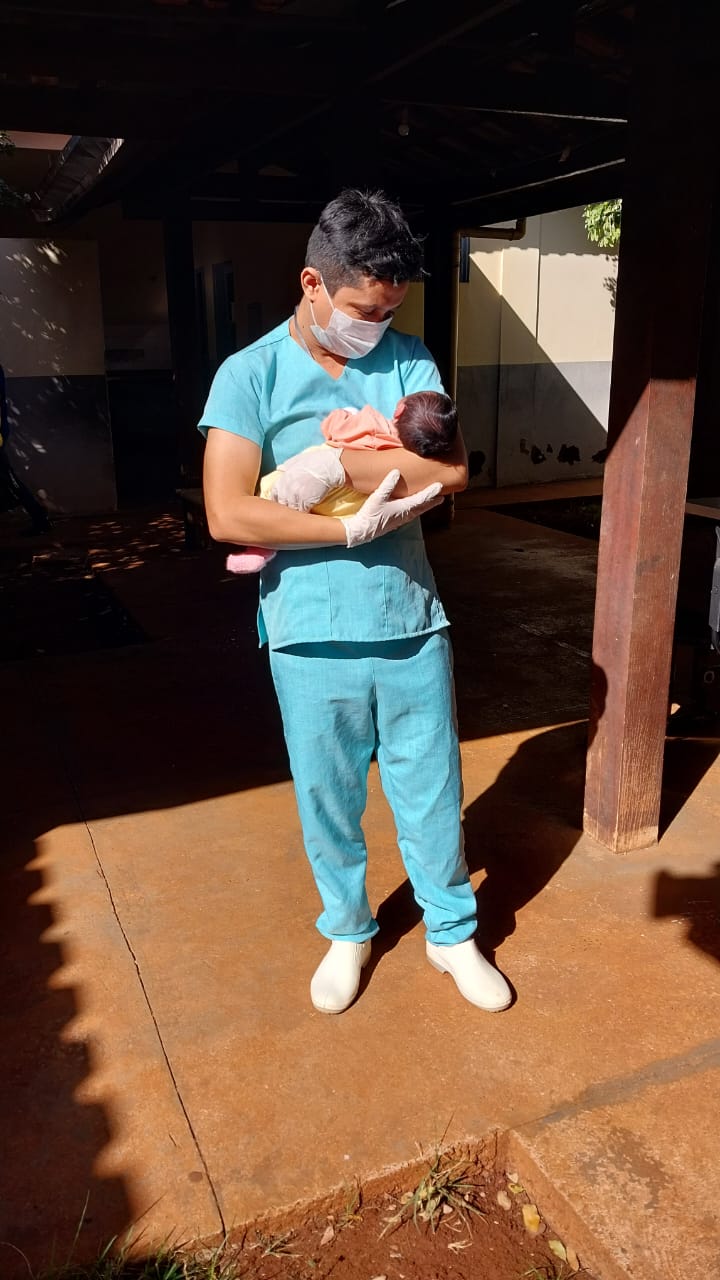
- A resident from HU-UFGD attending to an indigenous pediatric patient
Personal Account
Born in São Paulo (SP), where she completed her undergraduate studies, psychologist Tamires da Silva Sousa joined the Indigenous Health Residency program at HU-UFGD in March 2022 and completed her journey in February of this year. After finishing the Residency, she returned to São Paulo to visit her family and says she intends to continue working within the SUS (Unified Health System). Tamires shares her experience as a resident, which goes beyond professional qualification, discussing discoveries, learning, and personal growth:
"I learned about the Indigenous Health Residency (the first and, at the time, the only one in Brazil) while I was still an undergraduate and was intrigued by the possibility of different perspectives in practice, as well as the opportunity to engage with the indigenous peoples of this territory. At that time, I didn't fully grasp the context of the struggles of the peoples who resist here. I had some exposure to discussions about what was happening here in terms of the struggle for the territory rights of the Kaiowá and Guarani peoples, but it was only when I felt my feet on the red soil of Dourados that I could understand some things and be deeply moved by many emotions.
Regarding my experience as a resident, I believe it was filled with many challenges. The idea is for professionals to be trained from the SUS and for the SUS, and for two years, the practice settings include sectors of the HU (maternity, adult and pediatric wards, and ICUs), health units in the R ID (Dourados Indigenous Reserve), CASAI (Indigenous Health House), and providing care in areas of reclamation and encampment with the Mobile Team (through coordination and partnership with SESAI).
It's very interesting when we manage to build bridges between points of care, such as when we are in the hospital and it's possible to facilitate connections between teams, between users, and their families in the community. Sometimes we meet someone here in the hospital, in this context of hospitalization, and then we encounter them again in the community.
Within the hospital, there are still many challenges for providing appropriate assistance to indigenous peoples, for services to recognize and integrate the specificities of each individual and community. I believe the Residency also has some weaknesses, such as not yet having ethnic-racial quotas in its selection process. I believe it's necessary to advance strategies for the admission and retention of indigenous professionals in the Residency.
To wrap up the conversation, I believe this journey in the Residency was filled with challenges, but it also allowed for meaningful encounters, learning, and emotional connections that I carry with me wherever I go. I hope that the Residency (and those who go through it) can be closer to the community and that the community is also closer to the Residency and the hospital. May the potential that arises in these intercultural encounters be strengthened. We need to think about building other care practices that broaden the perspective beyond the walls of the hospital.
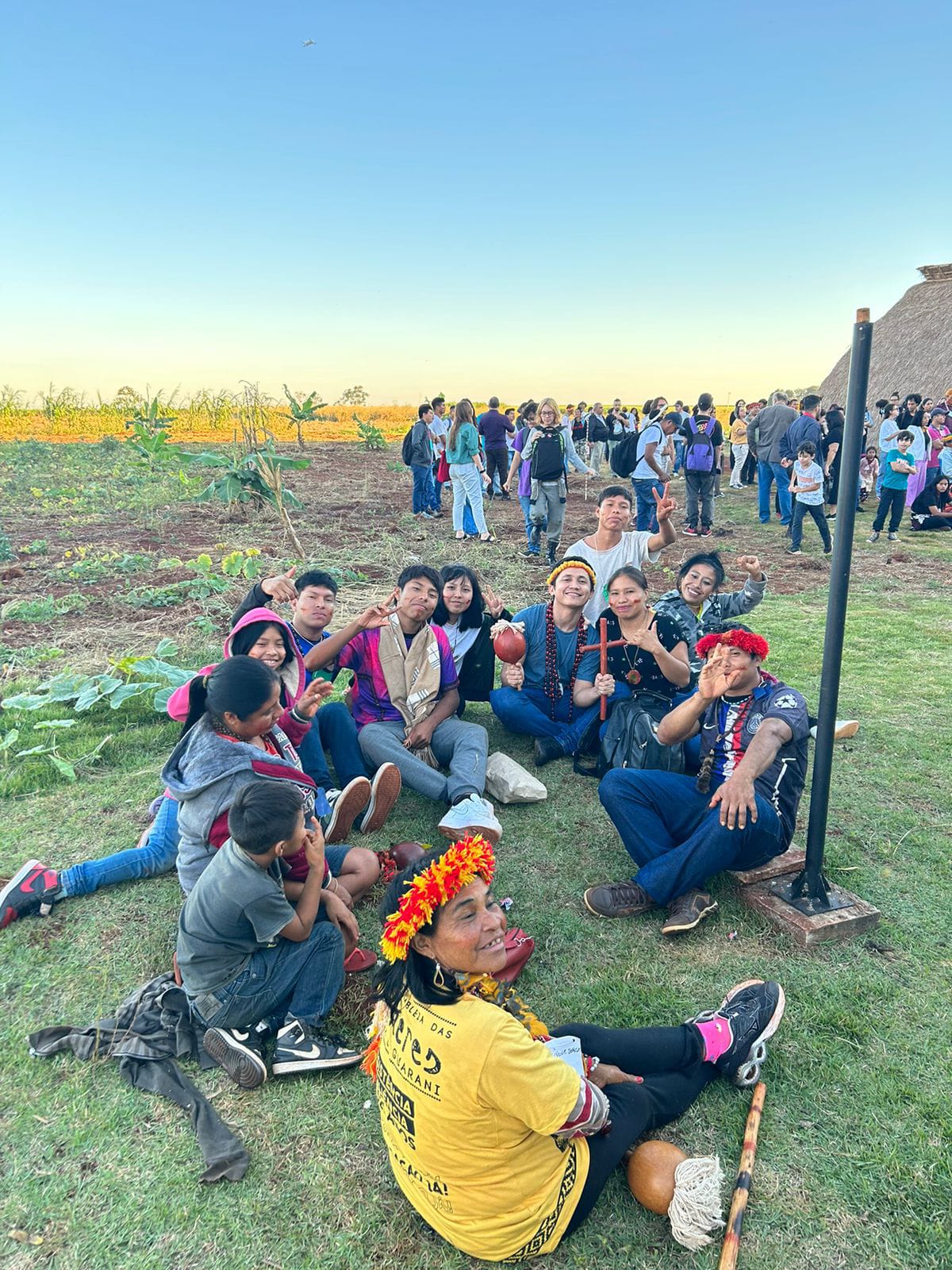
- Residents integrate with the local residents
Ebserh Network
The University Hospital of the Federal University of Grande Dourados (HU-UFGD) has been part of the Brazilian Hospital Services Company Network (Ebserh Network) since September 2013. Linked to the Ministry of Education (MEC), Ebserh was created in 2011 and currently manages 41 federal university hospitals, supporting and driving their activities through excellent management. As hospitals affiliated with federal universities, these units have specific characteristics: they serve patients of the Unified Health System (SUS) while also supporting the training of healthcare professionals and the development of research and innovation.