Notícias
Ethnobotany and Intercultural Dialogues: the first expedition of the JBRJ to the Uaupés River in the context of the Amazon +10 Project
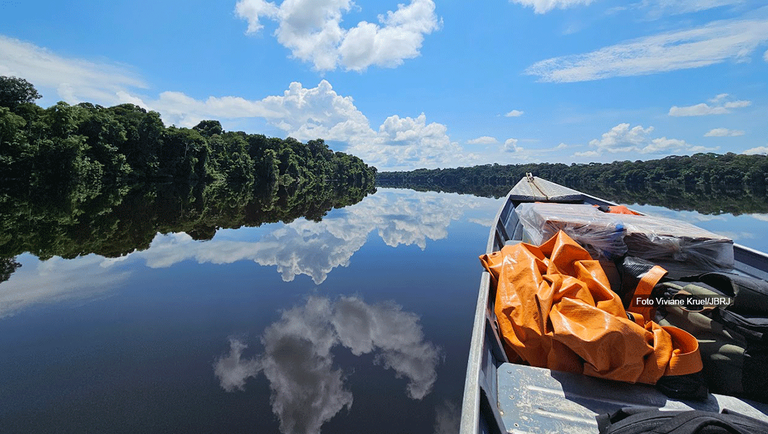
Speedboat traveling up the Uaupés River | Photo: Viviane Kruel
The first major expedition of the subproject “Intercultural Dialogues on Plants, Stories, and Knowledge,” part of the umbrella project “Voices of the Indigenous Amazon: Historical Processes of Sociobiodiversity in the Face of the Challenges of the Anthropocene,” took place between October 8 and 26 on the Uaupés River, Upper Rio Negro, Amazonas. This project, under the Amazon +10 Initiative, is led and coordinated by the Emilio Goeldi Museum of Pará (MPEG), through researcher Helena Lima, in partnership with over 70 other researchers and various research institutions, including the Rio de Janeiro Botanical Garden (JBRJ), the Royal Botanic Gardens, Kew, and Birkbeck University, with the aim of integrating indigenous and scientific knowledge to generate solutions to the socio-environmental crisis.
JBRJ ethnobotany researcher Viviane Stern da Fonseca Kruel joined the team at the invitation and with funding from Kew Gardens. The mission focused on the Alto Negro Indigenous Territory, specifically the Tukano communities of Taracuá (lower Uaupés) and Marabitanas (middle Uaupés). The logistics of access, carried out by speedboat from the city of São Gabriel da Cachoeira, required long periods of navigation and the technical overcoming of natural barriers, such as the transposition of the Ipanuré Waterfall, highlighting the complexity of fieldwork in the region.
Intercultural Methodology and Historical Documentation - The Ethnobotany subproject adopted a methodology of Intercultural Dialogues and Participatory Research, aiming to document, value, and assist in the preservation of traditional knowledge associated with plants, histories, and landscapes. The research was based on a historical reference: an original and unpublished manuscript (“Plants for Domestic Use”) from the 19th century, by the English naturalist Richard Spruce. The ethnobotanical information contained in this document was taken to the field to be contrasted, updated, and expanded in direct dialogue with current experts from the Tukano people.

- Participants in the training workshop on collecting and herbarium preparation of botanical material, and documentation of ethnobotanical information associated with plants, with indigenous researchers, representatives of the Tukano people, and non-indigenous individuals (JBRJ, MPEG, KEW, BBK) | Photo: Luciana Martins
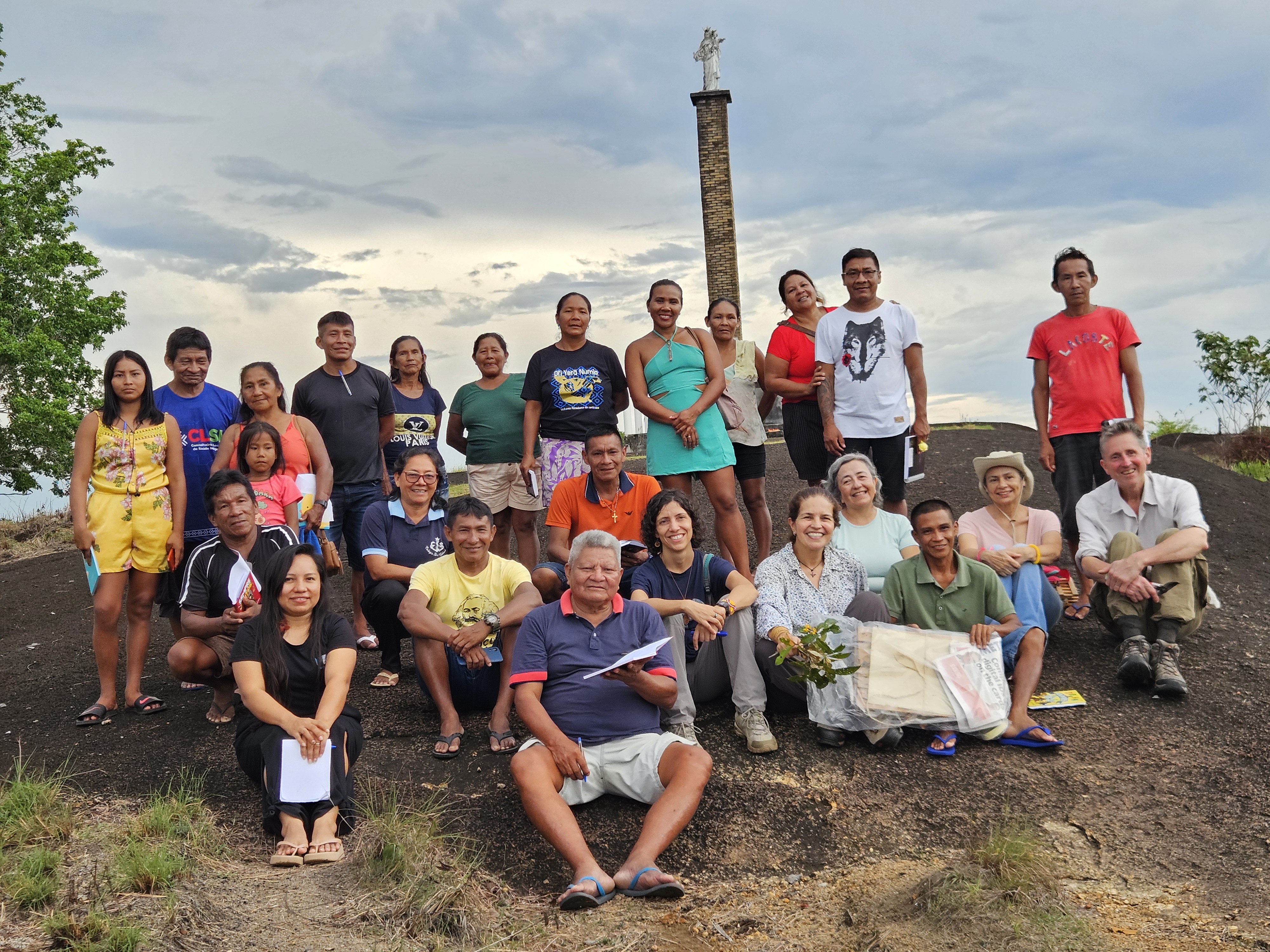
Strategic Results and Local Training - The expedition successfully established a relationship of trust and mutual collaboration, formalized by the signing of the Free and Informed Consent Form (FICF) with community leaders, ensuring the ethical and participatory rigor of the research.
The activities carried out had a direct and sustainable impact on training and documentation:
- Training of Indigenous Researchers: a Collection and Herbarium Workshop was held for indigenous researchers and project fellows, training them in the scientific methodology of collection, preparation of herbarium specimens, and botanical and ethnobotanical documentation.
- Bilingual Audiovisual Production: a collection of Bilingual Mini-Videos (Tukano and Portuguese) was started, in which the experts themselves document the traditional knowledge (uses and knowledge) of plant species they have selected, producing material of scientific, linguistic, and cultural importance, with consent for audio and image use.
- Participatory Ethnobotany Workshops and Training for Indigenous Teachers: in addition to classes in local schools, promoting the preservation and continuity of traditional knowledge for new generations. The donation of specialized teaching materials, as well as publications such as the Manual of Ethnobotany in the Upper Rio Negro, Guides to Plants and Artifacts of the Upper Rio Negro, and an educational board game that supports local education.
- Expansion through Multiplication: training was provided to Local Multiplier Specialists from neighboring communities (Nova Esperança and Açaí Paraná), establishing a network of collaborators (scholarship recipients from this project) essential for the geographical expansion and autonomy of communities in the continuity of ethnobotanical activities.
Scientific Contribution and Perspectives - The collection of botanical material and ethnobotanical information obtained (currently being cataloged) will provide important data for understanding the socio-biodiversity and history of Amazonian landscape management by indigenous peoples.
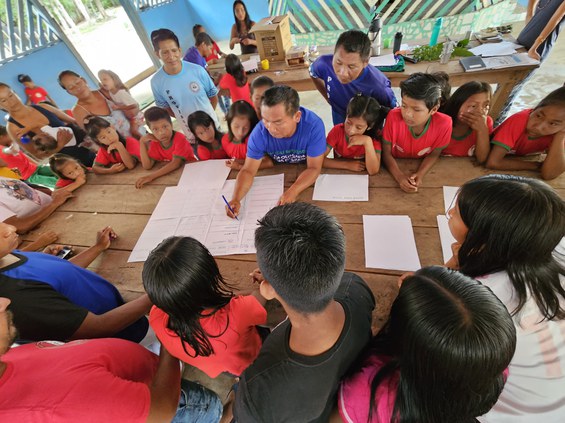
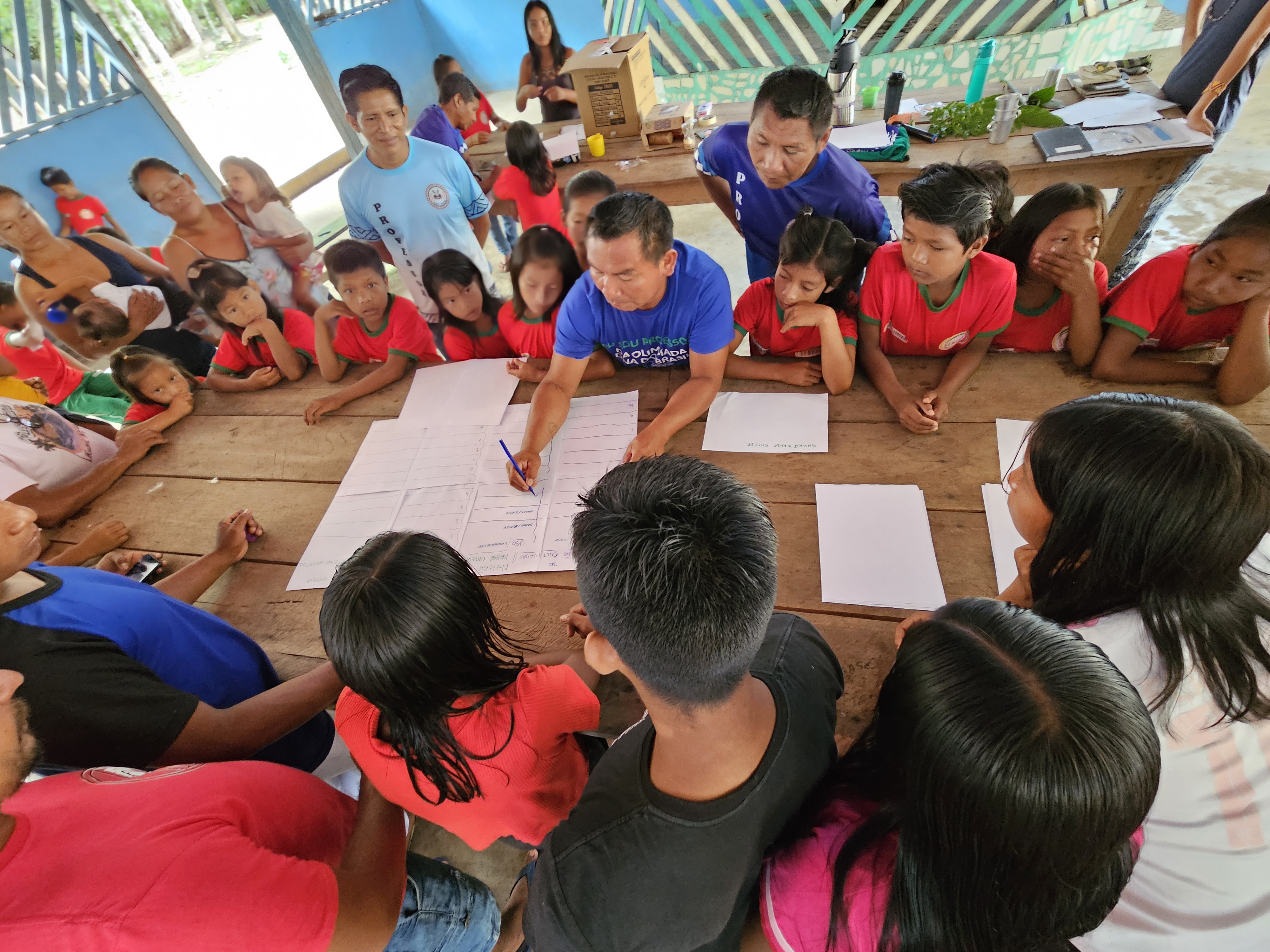
- With the help of teacher Nilo, young people and adults from the Tukano people, from the community of Marabitanas (mid-Uaupés River), actively participated in drawing up a list of plants that are important to the community, with their names in Portuguese and Tukano, as well as their main uses | Photo: Viviane Kruel
“By participating in this research, JBRJ contributes directly to the co-production of knowledge that seeks to strengthen the socio-environmental resilience and ways of life of indigenous peoples in the face of the challenges posed by the Anthropocene and climate change, aligning the conservation of flora with the preservation of cultural knowledge,” says researcher Viviane Kruel.
The region - The Uaupés River, in the Brazilian Amazon, is of extreme botanical and ethnobotanical importance in the context of scientific research and conservation. Located in the Upper Rio Negro basin, it is part of the Upper Rio Negro Indigenous Territory, near the border with Colombia (where it is called Vaupés). This region is a biodiversity hotspot, home to a wealth of species, many of which are likely endemic and still little known to science, occurring in campinaranas (extensive vegetation and white sands), terra firme forests, and igapós.
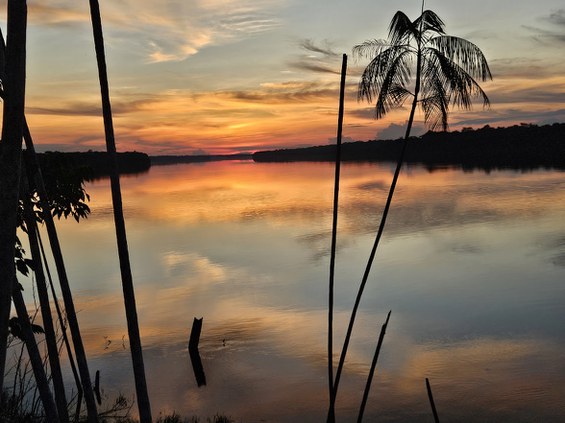
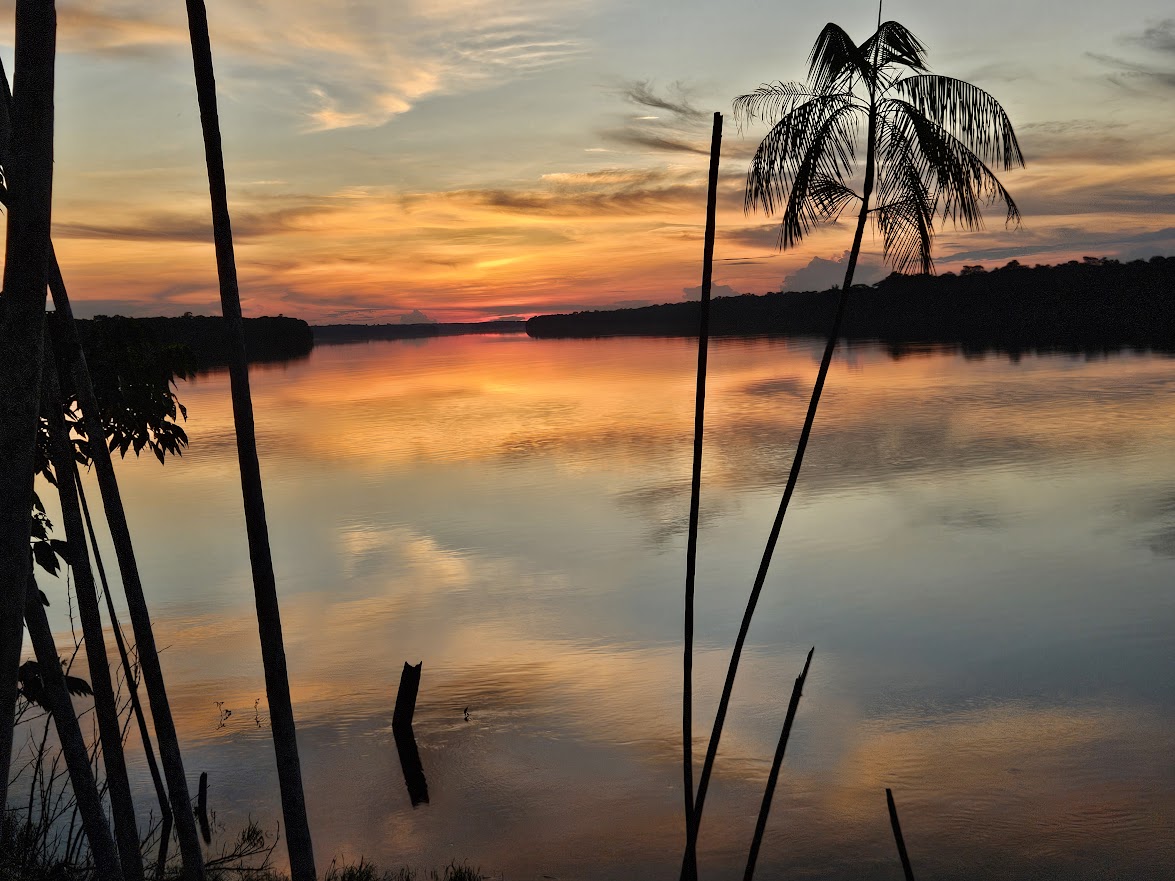
- Sunset on the Uaupés River | Photo: Viviane Kruel
In practical terms, the activity of traveling, collecting plants, and documenting their uses along the Uaupés River aims to record and preserve the traditional knowledge of the various indigenous peoples who inhabit the region, such as the Tukano, Desana, Tariano, Hupda, among others, who have lived in this region for thousands of years. “This knowledge is possibly threatened with extinction—due to socioeconomic changes, historical and environmental processes, and little incentive for younger people to preserve it—as it is transmitted orally,” explains the researcher.
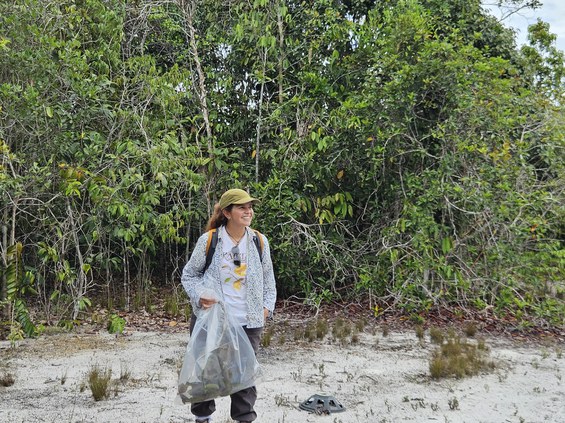
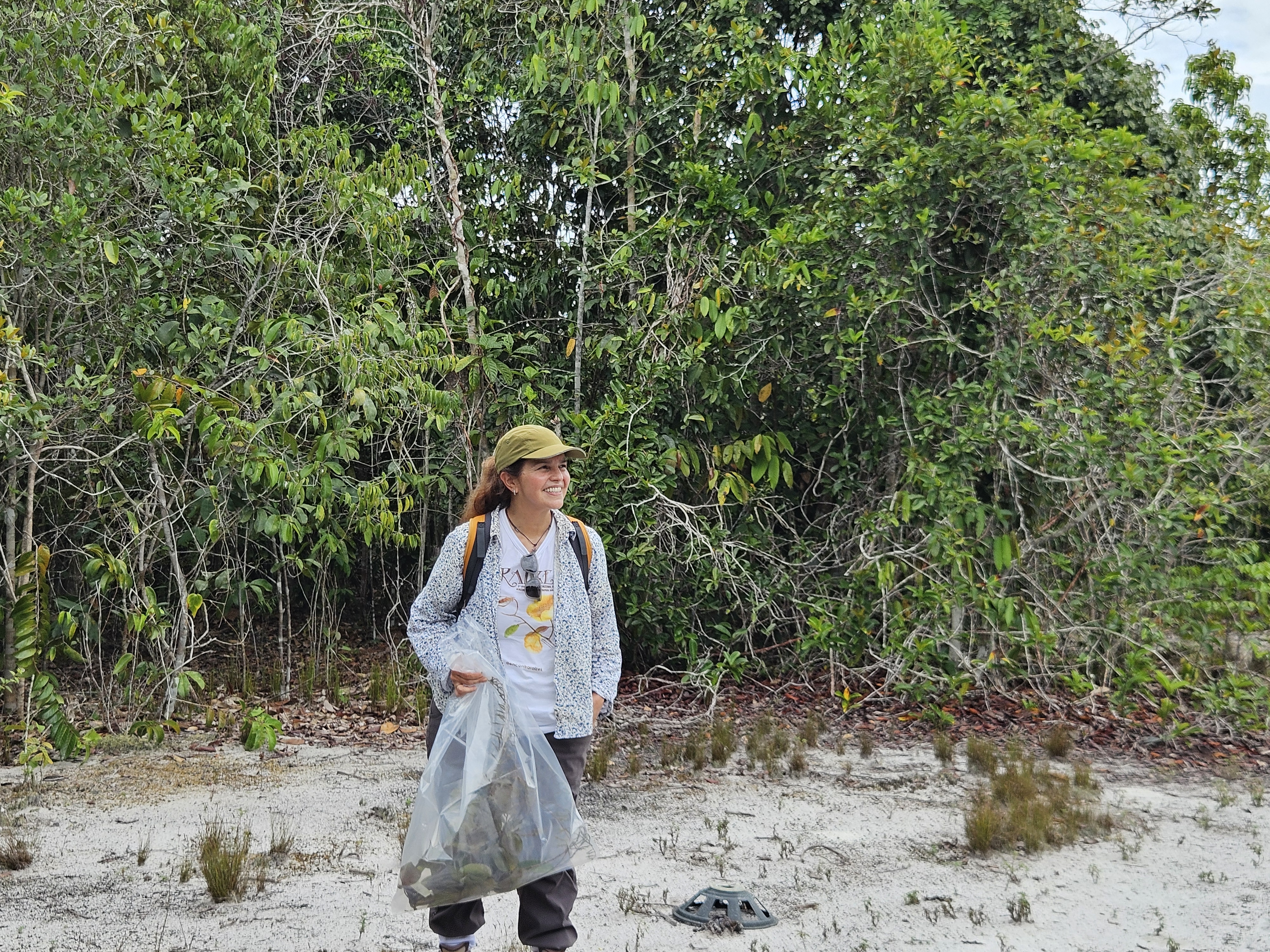
- Viviane Kruel collecting | Photo: Marlia Coelho-Ferreira
The main objective of ethnobotanical and intercultural research in the region is to detail the use of plants for medicinal purposes (important for the health of communities); food (ensuring subsistence and food security through the enhancement of local agrobiodiversity); and cultural and ritual purposes (deeply linked to the cultural identity of peoples).
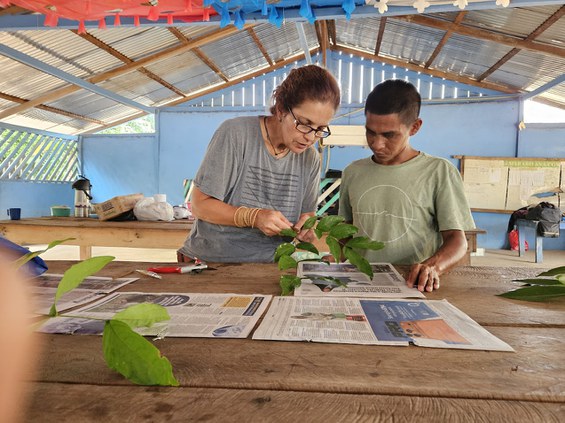
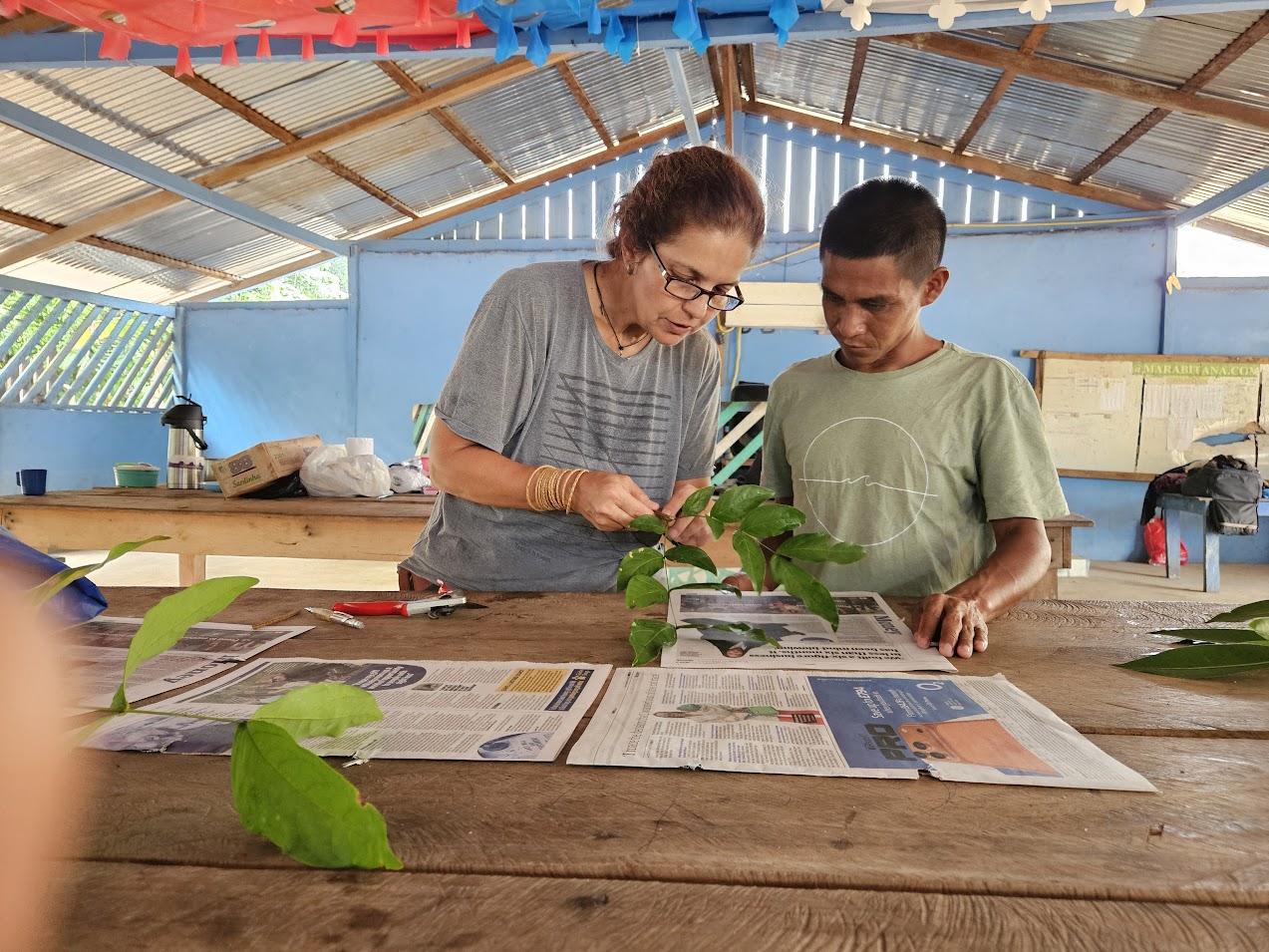
- Indigenous researcher Rosivaldo Silva and researcher Viviane Kruel (JBRJ) during training in the collection and herbarium preparation of botanical material in the community of Marabitanas (middle Uaupés River) | Photo: Lorena França
Historically, the Uaupés River is a place known for scientific expeditions by renowned botanists such as Richard Spruce (19th century), whose collections served to formally document Amazonian flora in global herbariums. Thus, the current documentation and collection work not only continues this scientific legacy, but also serves as an essential tool for environmental monitoring, for the development of sustainable economic alternatives based on forest products and, fundamentally, for the cultural strengthening and preservation of the knowledge of communities, valuing their ancestral management of nature and preventing the loss of this invaluable biocultural heritage.
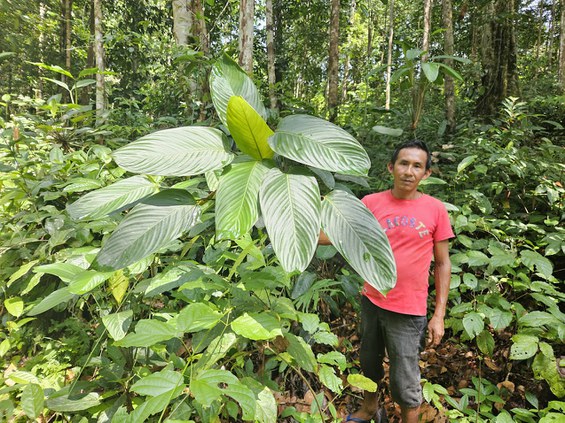
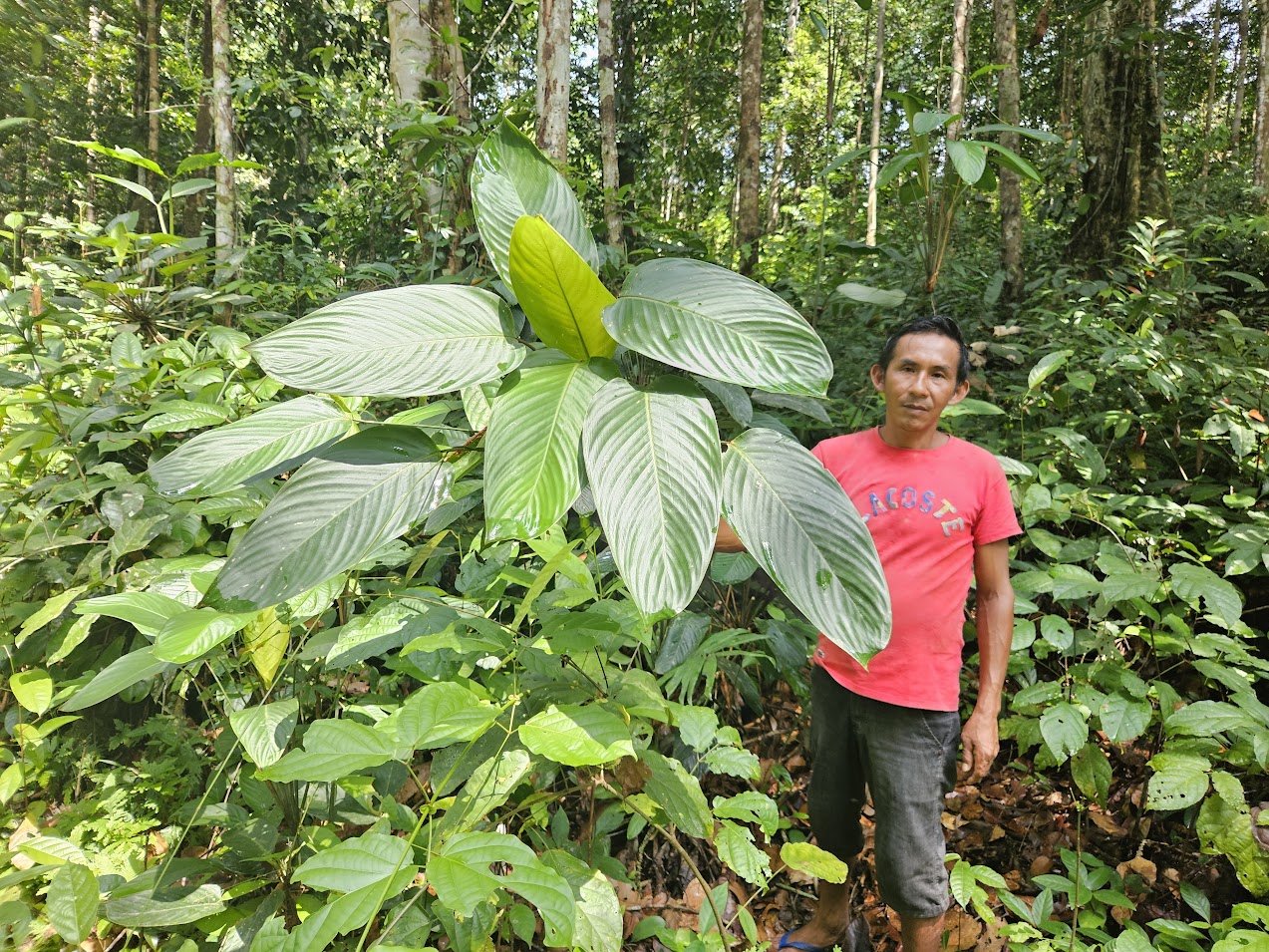
- Lucio, an indigenous researcher from the Tukano people, documenting knowledge about arumã, a sample of which was later collected and preserved in a herbarium | Photo: Viviane Kruel
As the main tributary of the Rio Negro, the Rio Uaupés plays a fundamental ecological role in the Amazon basin. More than that, it is the backbone of the Amazonian Northwest, integrating the social structure, cosmology, local economy, and identity of its inhabitants, and ensuring the continuity of one of the richest sociocultural and environmental mosaics on the planet. "The Uaupés is the structuring axis of the life and cosmology of indigenous peoples, predominantly from the Eastern Tukano linguistic family, such as the Desana, Kubeo, Pira-Tapuya, and also the Tariana (Aruak language), among others," explains Viviane Kruel, adding that the river environment and its banks sustain the traditional agricultural system (small farms), where cassava is the staple crop, complemented by the collection of forest species and the cultivation of fruits in backyards (such as açaí and cupuaçu). The traditional way of life and the deep ethnobotanical knowledge of indigenous communities ensure the sustainable management and conservation of local biodiversity.
In addition to Viviane Stern da Fonseca-Kruel, from the Rio de Janeiro Botanical Garden, researchers Helena Pinto Lima, Marlia Coelho-Ferreira, and Claudia Leonor López-Garcés, from the Emílio Goeldi Museum in Pará, Luciana Martins and Lorena França, from Birkbeck, University of London, and William Milliken and Lindsay Sekulowicz from the Royal Botanic Gardens, Kew.