Notícias
Digital herbaria: innovations and new challenges for the preservation of biocultural knowledge
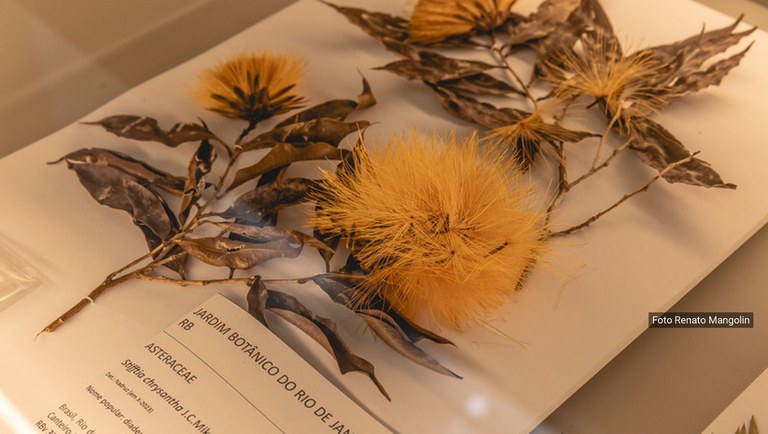
Study of global relevance counts on significant participation from the JBRJ team
The scientific article “Repositories of biocultural diversity: Toward best practices for empowering ethnobotany in digital herbaria” has just been published in the prestigious journal Plants, People, Planet. This study of global relevance features significant participation from the team at the Rio de Janeiro Botanical Garden, including researchers Viviane Fonseca-Kruel, Eduardo Dalcin, and Luís Alexandre Estevão da Silva.
The research is the result of a robust international collaboration, bringing together experts from major global institutions such as the New York Botanical Garden (NYBG), the Missouri Botanical Garden (Missouri BG), and the Kew Botanical Gardens, among other important herbaria. The combination of knowledge and experience has resulted in a set of guidelines and insights that are important for the future of ethnobotany and the preservation of traditional knowledge.
With the digitization of millions of plant specimens by herbaria, including associated ethnobotanical information, this data is becoming increasingly accessible. This amount of biocultural data—which includes plant uses and common names of Indigenous Peoples and Local Communities (IPLCs)—has great cultural and scientific value. However, the absence of shared curatorial standards has limited the accessibility and effective use of this information by PICLs, ethnobotanists, and other researchers.
The authors identified a proportionally small but collectively significant number of ethnobotanical specimens, representing approximately 1.6% of all specimen records and hundreds of thousands of specimens in the herbaria surveyed. This finding underscores the importance of a coordinated effort. The article seeks to highlight the urgency of adapting curatorial practices among global herbaria to locate, recognize, and ethically share this information, working together with the communities of origin and through global cooperation. This publication demonstrates that digital herbaria are even more powerful tools for research, education, and conservation of biocultural diversity.
For further information, access the full article here.