Notícias
INSTITUTIONAL
CADE prioritises fuel market in new institutional framework
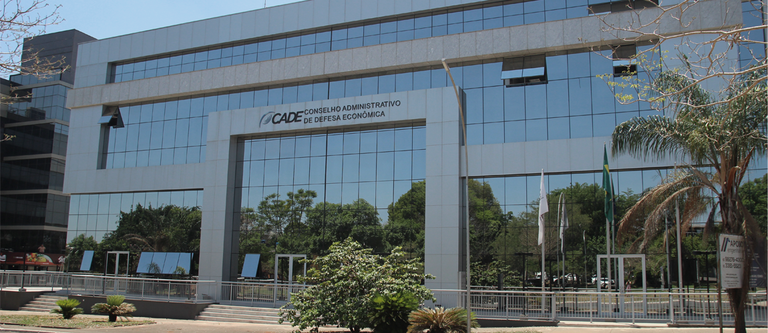
On 23 July, the Administrative Council for Economic Defense (CADE) determined that the fuel market is a priority for the next two years. The initiative aims to strengthen the authority's role in promoting free competition and repressing antitrust violations in this crucial sector for the Brazilian economy and consumer welfare.
The measure establishes a series of coordinated actions involving the Office of the Superintendent General (SG), the Department of Economic Studies (DEE), besides technical and support areas of the antitrust agency.
The main points of the measure include improving investigations on cartels and collusive practices, updating econometric and competition advocacy studies, sharing data with the Federal Police (PF), the Office of the General Counsel for the Brazilian Federal Government (AGU), and the Ministry of Mines and Energy (MME), in addition to holding a public hearing on the subject in 2025.
For Mr Gustavo Augusto, president of CADE, the fuel market can financially impact Brazilian citizens, the entire production chain, and the competitiveness of the Brazilian economy. “By promoting these actions, CADE reaffirms its commitment of actively listening to society and other institutions in order to intensify the investigations and fight against possible cartels in the fuel sector, promoting a more competitive economic environment,” he stated.
CADE’s work in this segment has already resulted in important decisions. In July, the Tribunal of CADE convicted seven petrol station chains operating in the Federal District and surrounding cities for cartel formation, imposing fines of about BRL 155 million.
In 2017, the agency also signed a cease and desist agreement with companies and individuals, resulting in a financial contribution over BRL 90 million, and the adoption of structural measures to increase competitiveness.
CADE identified and convicted similar cases in the Brazilian states of Espírito Santo, Maranhão, Amazonas, São Paulo, Santa Catarina, Rio Grande do Sul, Paraná, and Piauí.
Access the full document here (in Portuguese only)!