Western Amazon (AMOC)
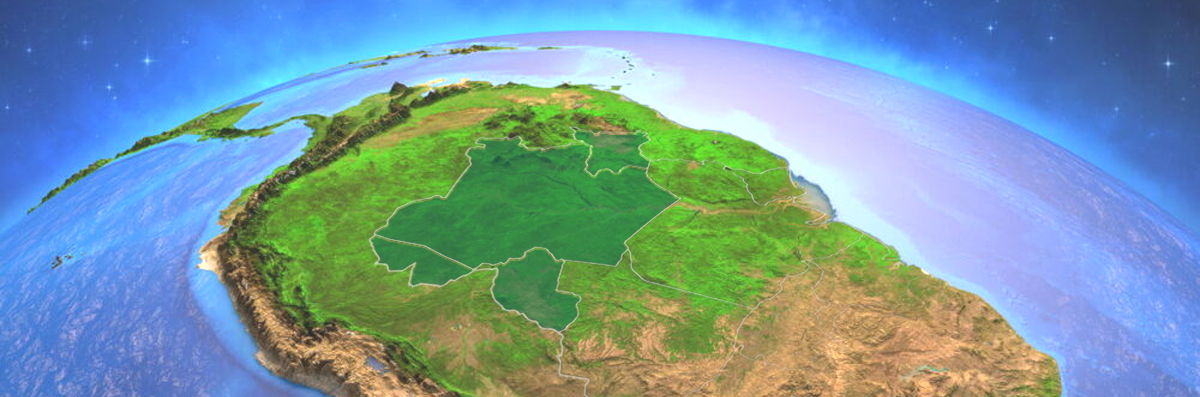
Comprising the states of Amazonas, Acre, Rondônia, and Roraima, Western Amazonia holds 42.97% of the territorial extension of the Legal Amazon and contains approximately 57% of the region's forests, making it the most preserved part of the Amazon, as well as being a stock of biodiversity unparalleled on the planet.
Many species from this region are already known worldwide, such as natural rubber, Brazil nuts, guarana, açaí, and cupuaçu. Other species, mainly intended for food and medicinal use and for fuel production, are under development. Mineral resources are also abundant in the region and are represented by large reserves of petroleum oil and gas; cassiterite; limestone; sylvinite; kaolin; clay; niobium; tantalum; and aggregates for civil construction (crushed stone, sand, and granite, among others).
In Western Amazonia, investors have a range of opportunities available, from agribusiness and the processing of regional raw materials to biotechnology and the Manaus Industrial Hub. There is a range of products with proven economic viability, supported by scientific studies, awaiting investment in the states and in the Free Trade Areas (FTAs).
Amazonas
Is the largest state in the country in terms of physical area, has an economic policy based on sustainability, and is therefore responsible for preserving 98% of the Amazon Rainforest, which is possible thanks to the historical contribution of the Manaus Industrial Hub (PIM). In the interior of the state, the opening of new job and income opportunities, with investments in areas such as fish farming, agro-industry, and rural production, is increasingly frequent. Among the region's potential resources are açaí, cassava starch, cupuaçu, palm oil, guarana, the exploitation of medicinal and cosmetic plants, as well as timber products.
Official Website: www.amazonas.am.gov.br
Acre
With a population of 632,100, Acre has an economy based primarily on extractive activities. Among its diverse economic potential, the production of açaí, cupuaçu, palm oil, guarana, fish farming, and timber products—resulting from plant extraction through forest management—stand out. Acre is also one of the country's main rubber producers, responsible for just over a quarter of national production. The harvesting of Brazil nuts is also an important activity in the local economy.
Official Website: www.ac.gov.br
Rondônia
Rondônia is the third richest state in the North region, responsible for 12.4% of the region's Gross Domestic Product (GDP). Agriculture, livestock farming, the food industry, and plant and mineral extraction are the foundations of Rondônia's economy. Among the region's potential resources are cassava starch, cupuaçu, palm oil, guarana, and fish farming, as well as products derived from timber extraction.
The development of agricultural activities in Rondônia has transformed the area into one of the main agricultural frontiers of the country and one of the most prosperous and productive regions in northern Brazil. This factor has placed the state fifth among the largest coffee producers in the country. Another sector that stands out in the Rondônia economy is livestock farming, both for beef and dairy production.
Official Website: www.rondonia.ro.gov.br
Roraima
Roraima, located in the far north, is emerging as the newest development frontier in the region. With two well-defined climatic seasons (rainy season between April and September and dry season from October to March), it reveals its potential in the agricultural sector and ecotourism. Today, Roraima has the second highest GDP per capita in the Northern Region. Among the region's economic potentials are açaí, cocoa, cupuaçu, palm oil, guarana, peach palm hearts, fish farming, and the exploitation and commercialization of timber products.
The state of Roraima remains a corridor of great importance for commercial integration with the Caribbean, through its borders with Venezuela and Guyana, and also its connection with the state of Amazonas.
Official Website: portal.rr.gov.br