Notícias
Strengthening Governance and Integrity Marks Recent Trajectory of the ANM
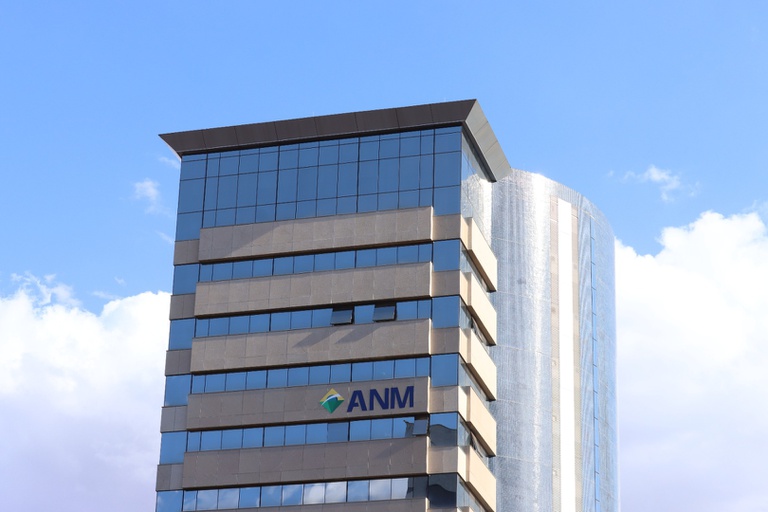
The National Mining Agency (ANM) has consolidated, in recent years, a broad set of measures aimed at strengthening governance, integrity, and internal controls. These advances reflect the institution’s commitment to promoting transparency, expanding its management capacity, and reinforcing society’s trust in its regulatory role.
The ANM Integrity Program has established key pillars, such as the creation of the Ethics Commission, the adoption of a Code of Ethical Conduct, the publication of a guide on preventing conflicts of interest, and the definition of clear procedures for reporting and investigating complaints. A manual with guidelines for engagement with stakeholders was also published.
The Agency further strengthened its institutional framework by voluntarily joining the Prevention System of the Federal Court of Accounts (TCU), moving from the basic level in 2021 to the advanced level in 2025, and by integrating the Integrity Plan of the Office of the Comptroller General (CGU). Together, these initiatives have expanded the organizational capacity to prevent, detect, and investigate potential irregularities.
Another milestone has been the Agency’s performance in the TCU’s General Governance Index (IGG), which evaluates areas such as strategy, internal controls, human resource management, public procurement, and information technology. The ANM’s score rose from 30% in 2021 to 57% in 2024 — a 90% increase in governance indicators. This result places the ANM among the top-performing regulatory agencies in Brazil, a remarkable achievement for an institution only six years old. At the same time, the Agency has achieved full compliance (100%) with all proactive transparency requirements monitored by the CGU, consolidating its standing in accountability to society.
Key instruments recently adopted include: the Program to Combat Sexual Harassment, the new Strategic Plan 2024–2027 with tactical and operational goals, the Open Data Plans (2025–2026), the Risk Management Guide, the Institutional Communication Policy, and the Crisis Management Policy. To ensure a solid technical basis for decision-making, permanent forums on Strategy, Integrity, Data Governance, and ESG were created to support the analyses of the General Governance Committee (CGG) and the Board of Directors.
With the new Internal Regulations in force since August 2025, the ANM has strengthened its Ombudsman’s Office, Integrity Management, and Internal Affairs units, reinforcing both preventive and corrective oversight. The Agency has also established that public servants in management positions at level FCE13 and above must complete mandatory training on governance and integrity, ensuring greater qualification for risk management.
Regarding the episodes investigated under “Operation Rejeito,” the ANM clarifies that these situations do not represent institutional practice or the conduct of its staff. All reports submitted through official channels — the Ombudsman’s Office, Ethics Commission, and Internal Affairs — are carefully examined and, when appropriate, forwarded to the Federal Public Prosecutor’s Office, the Office of the Comptroller General, and the Federal Police.
The governance and integrity efforts underway demonstrate the Agency’s priority of continuously improving its management and control processes. These actions ensure legal certainty and regulatory predictability, contributing to a more secure environment for investment in the mining sector.
Mauro Sousa, Director-General of the National Mining Agency