Notícias
Brazilian Forum for Responsible Gold positions the country in the lead for clean gold supply chains
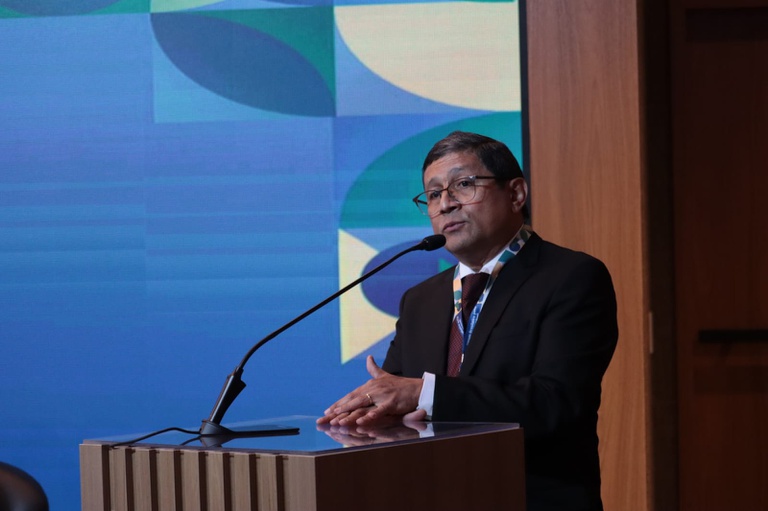
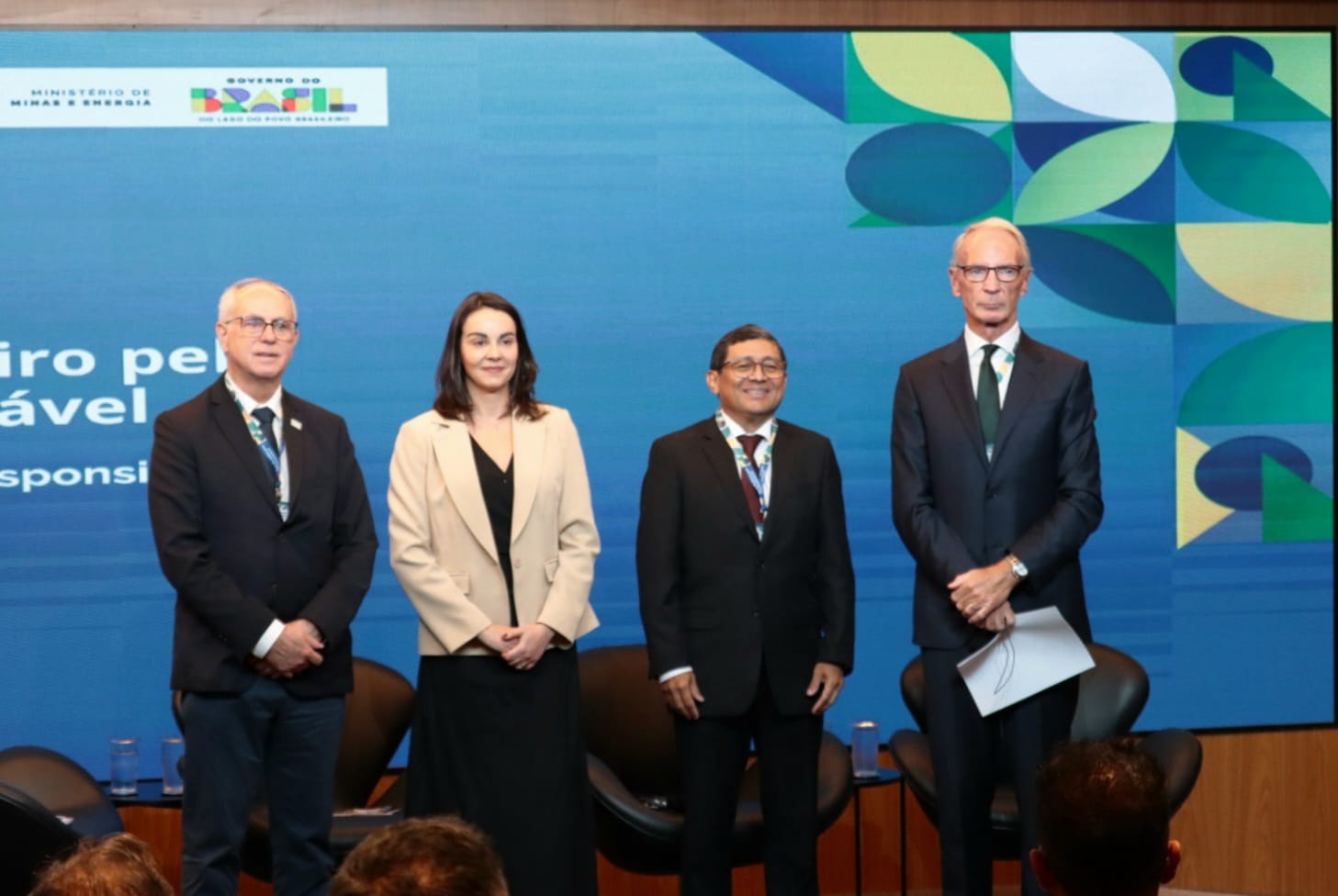
Brazil launched the Brazilian Forum for Responsible Gold this Tuesday (23) at the Ministry of Mines and Energy. This is the first practical step toward creating the Global Coalition for Action on Artisanal and Small-Scale Gold Mining (ASGM), which is scheduled to be launched in Geneva in November. The action, which is a partnership with the World Gold Council, the Organisation for Economic Co-operation and Development (OECD), and the Intergovernmental Forum on Mining, Minerals, Metals and Sustainable Development (IGF), raises standards and opens high-value markets.
Coordinated by the National Mining Agency (ANM), the meeting brings together public bodies, the productive sector, and international organizations to integrate ASGM into formal supply chains, implement traceability from the source, reduce mercury use, and disrupt illicit gold flows. This aligns with good due diligence practices, the Minamata Convention, and recommendations for the prevention of money laundering.
The agenda stems from a widely recognized diagnosis: informality weakens rights, pressures sensitive biomes, increases health and fiscal risks, and attracts criminal organizations. The proposed response combines regulatory governance, verifiable technology, and federative cooperation to consolidate reliable supply chains with a digital trace of production, financial controls, and auditable environmental standards. The Forum is the institutional response to the lessons learned from the Yanomami humanitarian crisis in 2023, focusing on protecting lives, public health, and territorial integrity.
"Tracking isn't a technological accessory; it's the condition for pulling gold out of informality, reducing mercury use, and isolating crime from the supply chain," states Mauro Sousa, Director-General of the ANM. "The small producer needs a formal, simple, and accessible entry point. Our commitment is to build that bridge with technical expertise, transparency, and social protection, strengthening a clean and competitive supply chain for the benefit of communities, buyers, and the public interest."
The dialogue is structured between the ANM, the Ministry of Mines and Energy, the Ministry of the Environment, the Brazilian Mint (Casa da Moeda do Brasil), the Central Bank, the Federal Police, the Financial Activities Control Council (Coaf), universities, and sectoral entities. The plan includes a traceability roadmap based on interoperability between public and private systems, data integration, independent auditing, and public indicators.
In parallel, the technical agenda accelerates clean technologies in mercury-free processing plants, with training for formalized cooperatives and small producers, and credit lines compatible with the scale of their operations. A cooperation protocol aligns mineral inspection, financial controls, police intelligence, and export/refining points, forming a control network that closes loopholes and discourages criminality.
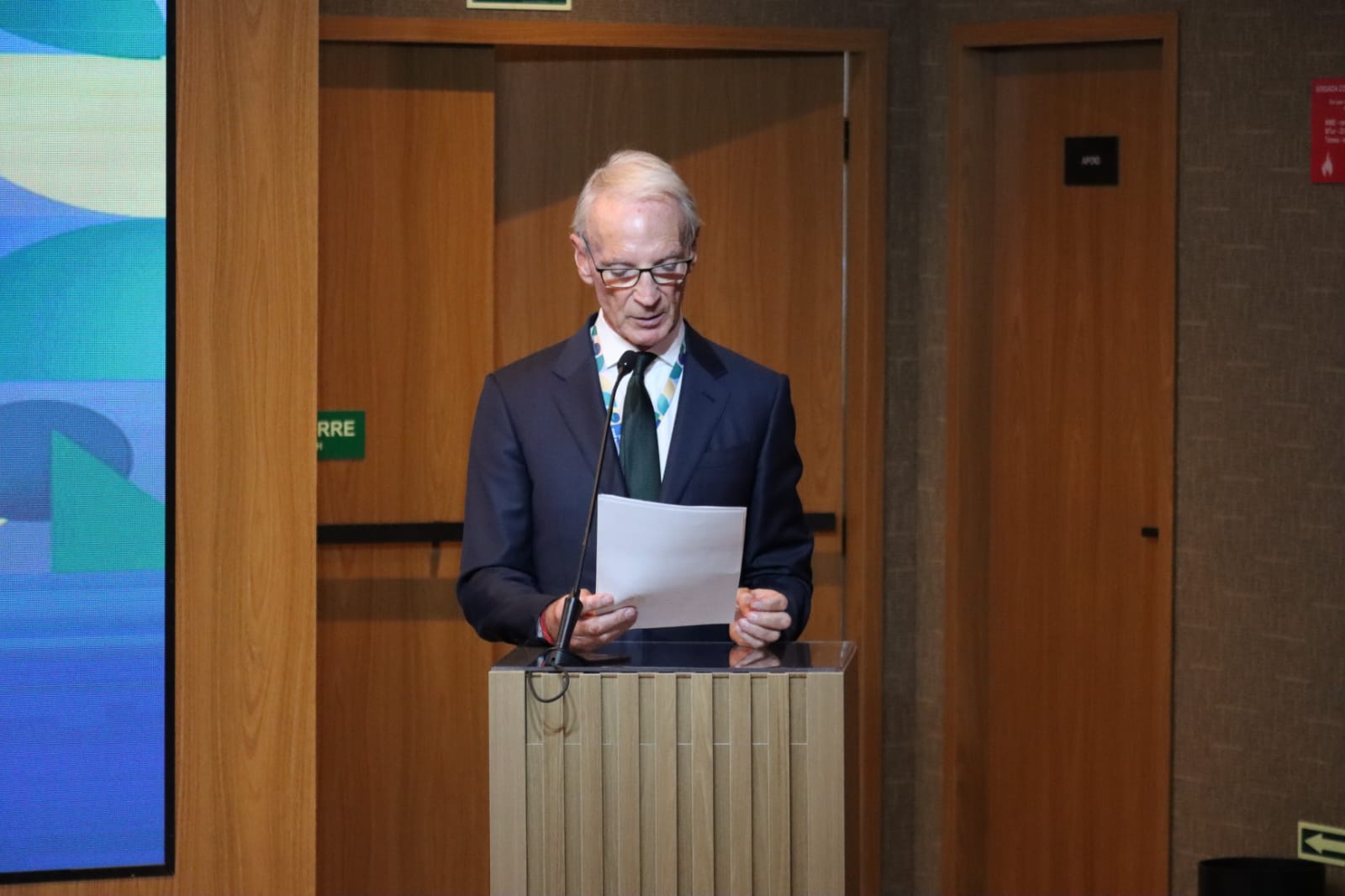
"Mercury-free plants and traceable supply chains raise socio-environmental standards and open high-value markets," says David Tait, CEO of the World Gold Council. "Partnerships with governments and direct support for communities build international trust and improve the income of those who depend on gold. The Forum in Brazil creates concrete conditions to transform ASGM into a vector for responsible development."
|
The proposal integrates mining title identification, georeferencing of the mine (lavra), production registration, electronic invoices, environmental compliance, and risk verification. Unique identifiers connect physical volumes to sequential digital records and logistical events (storage, transport, refining, export). Periodic audits and public reports reinforce the confidence of international buyers and reduce the scope for shell documents.
Clean Technologies and Minamata
The plan prioritizes mercury substitution, metallurgical efficiency, and occupational safety in plants adapted for small-scale producers, with demonstration prototypes, technical assistance, and guided credit. The package reduces occupational exposure, water contamination, and food impacts in riverside communities, while simultaneously improving gold recovery and increasing income in formalized operations.
Improving the scenario depends on integrating databases and risk indicators: volumetric incompatibilities, anomalous production peaks, atypical logistical routes, successive resales in a short interval, and suspicious documentary sequences. The control network connects mineral inspection, financial monitoring, police intelligence, and trade/refining points in domestic and international centers.
The expected results are for Brazil to run traceability pilot projects with representative samples of formalized operations within the next 12 months. The country aims to measurably reduce mercury use in assisted areas, increase compliance in verifications, open access to markets with responsibility premiums, and institute a routine of audits and public reports with metrics for legality, socio-environmental performance, and financial integrity.
|
Tiago Souza, ANM communications advisor.