Notícias
COP 30
Minister Fávaro Visits Agroforestry Systems in Tomé-Açu
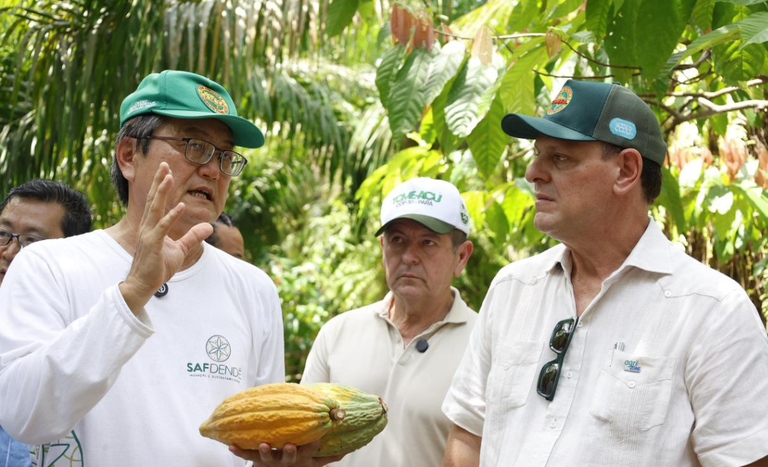
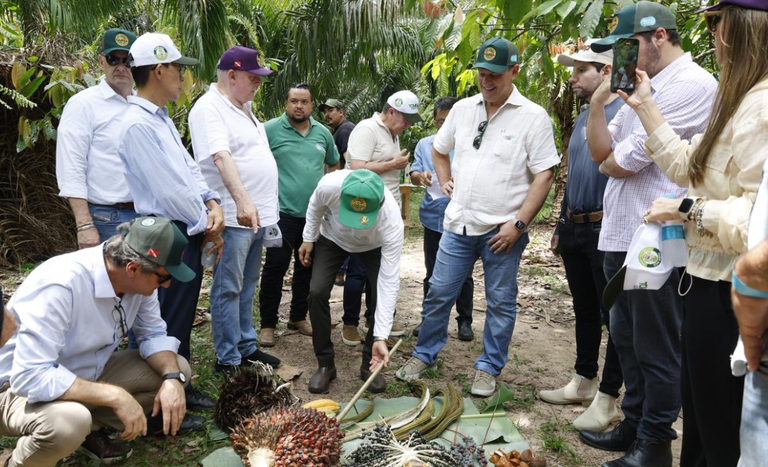
Brazil’s Minister of Agriculture and Livestock, Carlos Fávaro, visited the Mixed Agricultural Cooperative of Tomé-Açu (CAMTA) this Tuesday (18), in Pará, as part of activities during the 30th United Nations Climate Change Conference (COP30). The region is a national benchmark in the adoption of agroforestry systems introduced by Japanese immigrants, now recognized as a leading example of sustainable land use in the Amazon.
The delegation accompanying the minister included his special advisor, Carlos Augustin; the Secretary of Trade and International Relations, Luiz Rua; the Secretary of Rural Development, Marcelo Fiadeiro; Banco do Brasil’s Vice President for Agribusiness, Gilson Bittencourt; and the Head of MAPA’s Special Advisory for Communications, Carla Madeira.
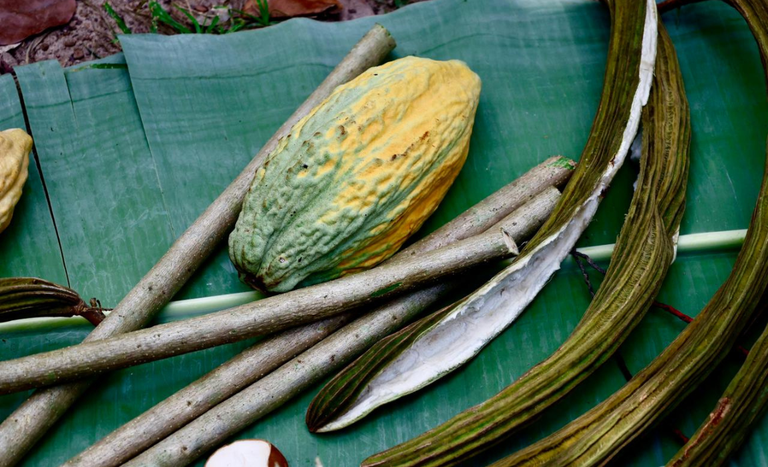
During the visit, Minister Fávaro toured agroforestry systems that combine oil palm, cocoa, açaí, pepper, sugarcane, and other Amazonian crops on a single area—forming a cultivated forest that simultaneously generates income and conserves the environment. The approach is considered one of the country’s most successful models for the productive recovery of degraded land.
The delegation also visited CAMTA’s industrial complex, which processes fruit into pulps, ice cream, and bakery ingredients for domestic markets and exports to destinations such as Japan and Germany. According to Fávaro, the work carried out in Tomé-Açu demonstrates that it is possible to produce while maintaining the forest standing, offering a roadmap for expanding sustainable production models throughout the Amazon.
“We are here in Tomé-Açu, at CAMTA. It is truly remarkable. The cooperative supports local producers, promotes production that is integrated with the forest and the environment, and ensures sustainability and income generation for the community,” the minister said.
Ernesto Suzuki, a local farmer and cooperative member, shared details about the system: “We have been working with agroforestry systems for more than 50 years, using technologies developed by Embrapa, the cooperative, and other partners,” he explained. “We produce more than 1,600 metric tons of oil palm every year, and in our agroforestry system we have 50 hectares, about 10 of which are already productive and expanding,” he added.
Agroforestry in Tomé-Açu
A national reference in forest-integrated agriculture, Tomé-Açu has developed over decades an agroforestry model that matches crops of varying cycles, ensuring continuous income for producers. The region stands out for its productive diversity, with cocoa, açaí, cupuaçu, black pepper, banana, and rubber trees growing together in arrangements that enrich the soil and preserve forest cover.
The system—shaped by the experience of local farmers and strengthened through exchanges with descendants of Japanese immigrants—has become a symbol of sustainability and economic resilience. Supported by Embrapa and CAMTA, producers have adopted practices that boost productivity, reduce pressure for new land clearing, and position Tomé-Açu as a showcase of innovation for Amazonian agriculture.
Visit to Mercúrio Alimentos Meatpacking Facility
The delegation also visited one of Mercúrio Alimentos’ meatpacking plants in Castanhal. The facility specializes in cattle slaughter and processing, playing a key role in the company’s production expansion and in strengthening Pará’s beef export capacity.
According to Minister Fávaro, the visit—which included the presence of World Organisation for Animal Health (WOAH/OMSA) Director General Emmanuelle Soubeyran—was an opportunity to highlight the sanitary and productive excellence of the Brazilian livestock sector. “This visit allowed us to demonstrate the capacity and quality of the Brazilian herd, as well as the high standards of the slaughter process here in Pará. Mercúrio is a benchmark—its beef is among the most valued internationally. This excellence is a showcase of our industry and a great source of national pride,” he stated.
Press Office
imprensa@agro.gov.br