Notícias
II Brazil-Africa Dialogue
Brazil Opens Nine New Markets in Africa and Strengthens Agricultural Cooperation
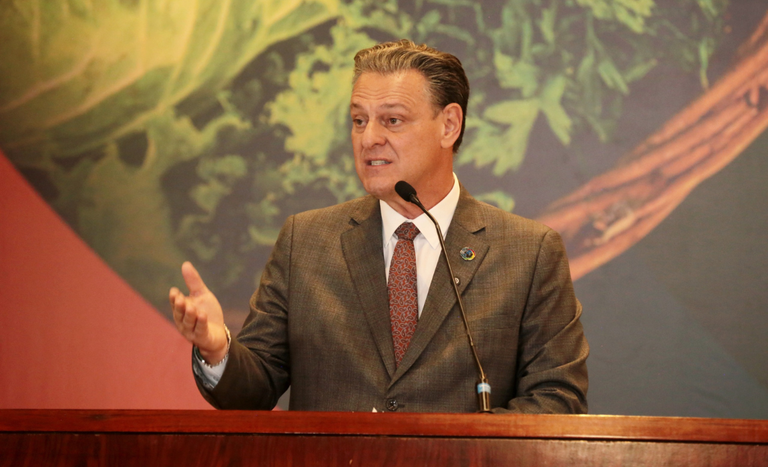

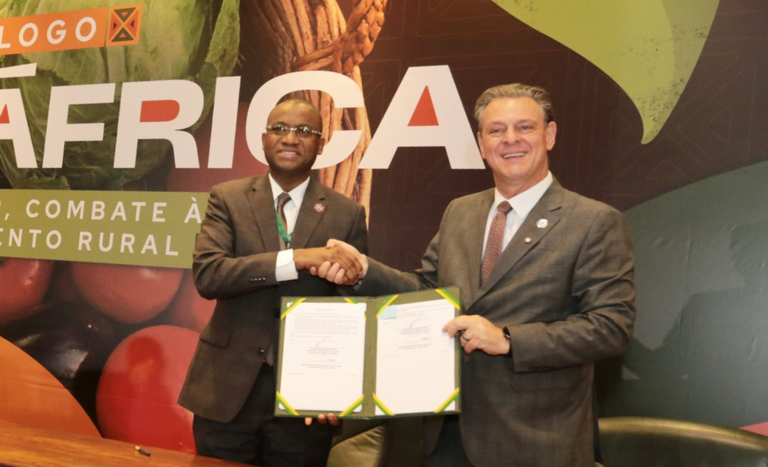
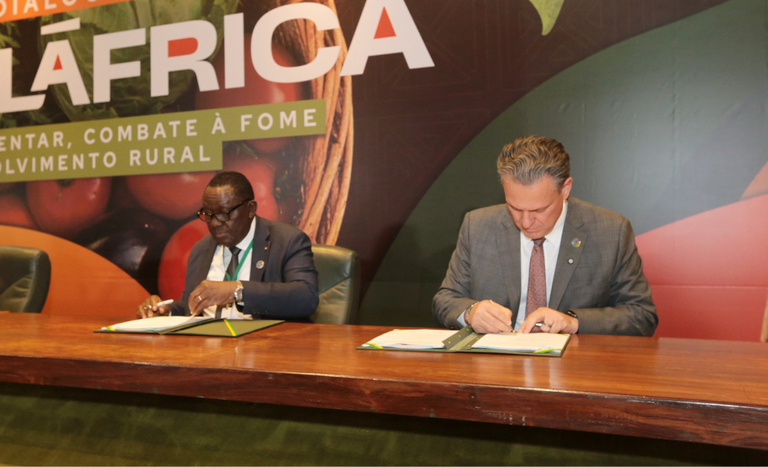
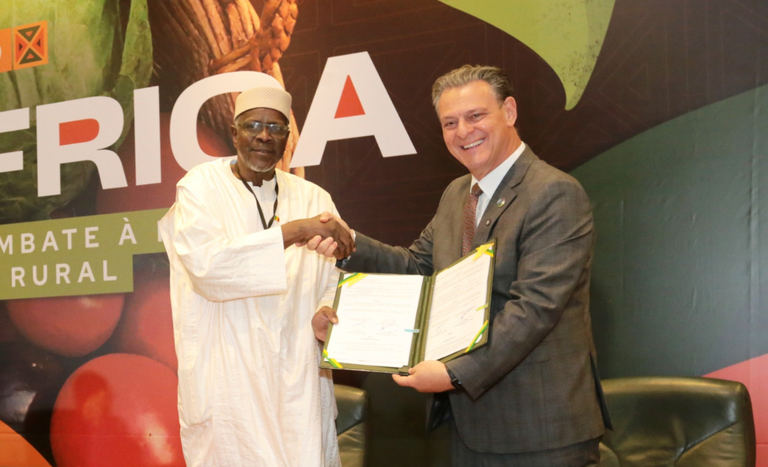
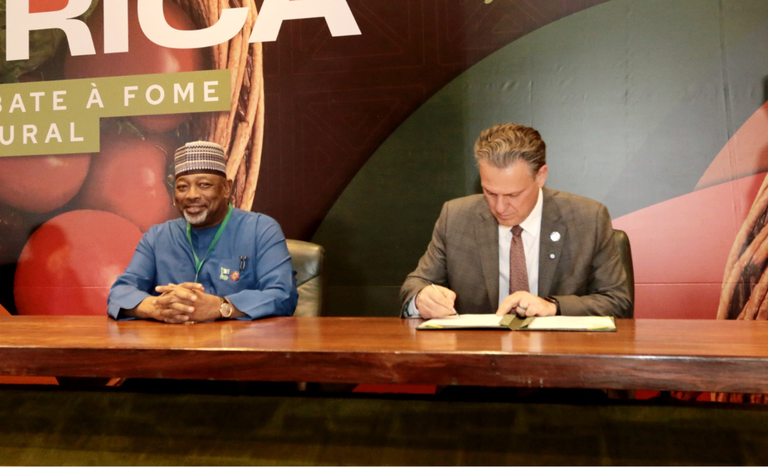
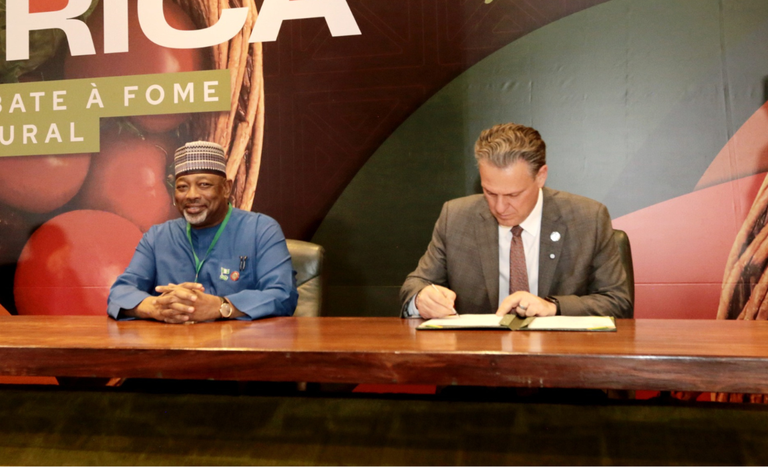
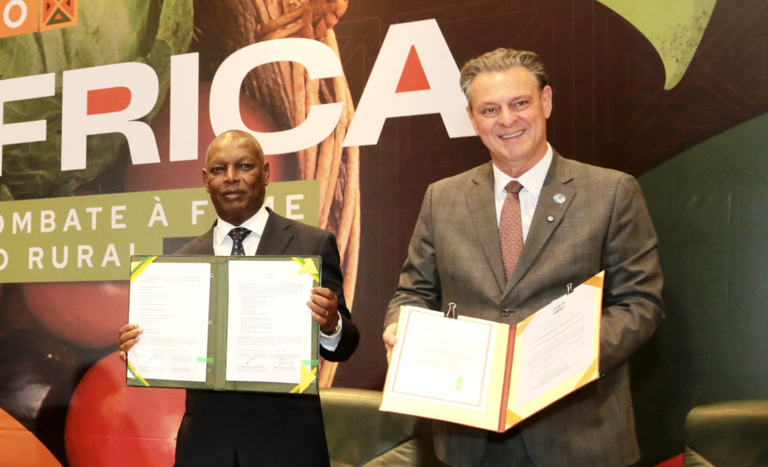
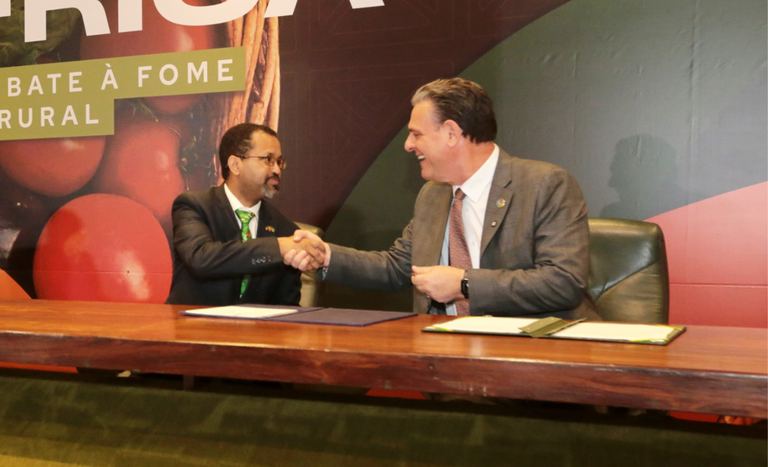
The Brazilian Ministry of Agriculture and Livestock (MAPA) has officially opened nine new markets across Africa, primarily in agricultural technology, embryo transfer, live animals, and genetic material. The announcement was made during the closing ceremony of the II Brazil-Africa Dialogue on Food Security, the Fight Against Hunger, and Rural Development, held this Thursday (May 22) at the Itamaraty Palace in Brasília.
Eight of the new markets are with Benin, covering the export of live cattle and buffalo, in vivo and in vitro bovine and buffalo embryos, bovine and buffalo semen, hatching eggs, day-old chicks, swine semen, Brachiaria grass seeds (Brachiaria spp.), and apples. Another market was opened with Senegal for the export of bovine and buffalo embryos.
According to Minister of Agriculture and Livestock Carlos Fávaro, this initiative marks the revival of a cooperation policy first launched during previous administrations of President Luiz Inácio Lula da Silva, now renewed with greater strength.
“This is a significant step toward accessing new markets for Brazilian products in Africa. These nine markets—especially in areas such as technology, embryo transfer, live animals, and genetics—will foster economic development in the region. We have also formalized the return of Embrapa to Africa to promote research partnerships, technology transfer, and development. This cooperation will play a key role in combating hunger through increased food production,” said Minister Fávaro.
In addition to opening new markets, Brazil signed Memorandums of Understanding with Ethiopia, Nigeria, Benin, Kenya, and Côte d'Ivoire to strengthen technical cooperation, improve agricultural and livestock systems, and support initiatives focused on food security and rural development.
“Our partnership with African countries is strategic. We face similar challenges in tropical agriculture, and together we can strengthen production systems, drive economic growth, and fight hunger in a sustainable way,” added Fávaro.
Minister of Foreign Affairs Mauro Vieira emphasized that the Dialogue reaffirms Brazil’s commitment to South-South cooperation, the promotion of family farming, gender equality, youth empowerment, and support for traditional communities. He also stressed the importance of advancing sustainable food systems. During the closing ceremony, Minister Vieira led the adoption by acclamation of the Final Declaration of the II Brazil-Africa Dialogue, which formalizes the commitments agreed upon during the event.
About the II Brazil-Africa Dialogue
The II Brazil-Africa Dialogue on Food Security, the Fight Against Hunger, and Rural Development gathered African ministers of agriculture, Brazilian authorities, representatives of international organizations, development banks, research institutions, family farming organizations, and private sector leaders.
The event aimed to promote the exchange of knowledge, technologies, and successful public policies, with a focus on agricultural and aquaculture production, strengthening family farming, expanding financing for rural development, and developing joint solutions to enhance food security.
The event began on Monday (May 19) with an opening ceremony at the Itamaraty Palace, attended by President Luiz Inácio Lula da Silva, Minister Carlos Fávaro, and Embrapa President Silvia Massruhá, who welcomed the African delegations. On Tuesday (May 20) and Wednesday (May 21), participants visited key institutions including Embrapa, Conab, and local agricultural cooperatives to observe Brazil’s successful models of sustainable production and rural development.
On Wednesday, Minister Fávaro, alongside First Lady Janja Lula da Silva, showcased semi-arid agricultural technologies to ministers from the African Union during a field visit to Petrolina, in the state of Pernambuco. The delegation explored the work of Embrapa Semiárido, including solutions in irrigated agriculture, fruit production, and strategies for drought resilience—reinforcing international cooperation in food security.
The Dialogue concluded on Thursday (May 22) at the Itamaraty Palace in Brasília with a Ministerial Dialogue featuring thematic panels, high-level discussions, and the signing of new cooperation agreements between Brazil and African nations.
Press information
imprensa@agro.gov.br