Vinegar, dish soap or detergent DO NOT disinfect fruits and vegetables
Produce should be disinfected with water and an adequate sanitizer for food
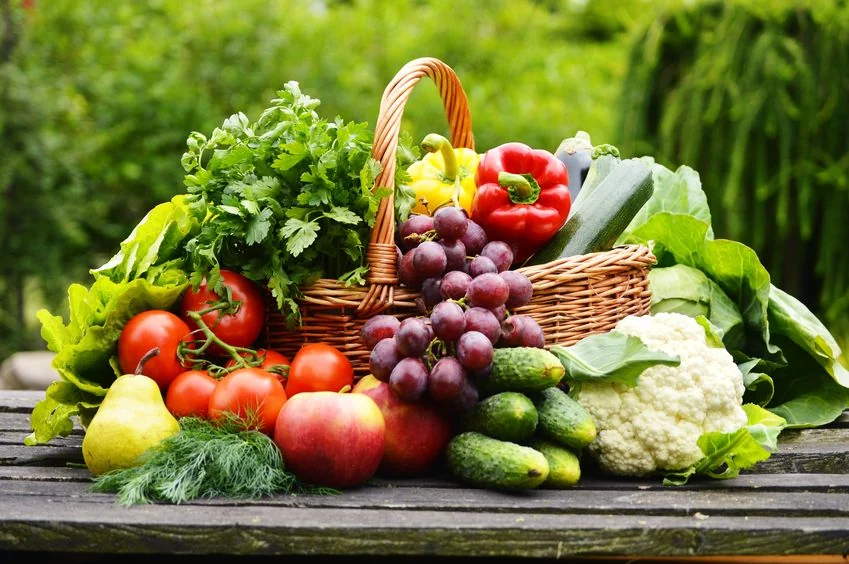
Disinfecting fruits and vegetables is vital for a healthy diet. However, some homemade methods go against recommended disinfection practices. Among those practices, the use of vinegar or dish soap lacks proven antimicrobial efficacy for this purpose and can even change natural food taste.
Adequate disinfection is crucial for ensuring the quality of produce, especially when it is consumed raw, since fruits and vegetables may be contaminated by microorganisms from their natural environment, which can lead to illness.
Therefore, it is important to wash produce under running water to remove visible debris (such as soil or insects), soak it in a solution specifically formulated for disinfecting fruits and vegetables, and then rinse it thoroughly.
Safe Kitchen
Clean food is essential for health. For that reason, ANVISA has specific regulations for sanitizing food products. According to those rules, products intended for disinfecting fruits and vegetables must be registered and meet certain requirements.
The labels on food-grade sanitizers must specify the amount of product to be used and how long should food be left to soak. The regulation specifies that only three active ingredients are allowed in the formulation of disinfectants for fruits and vegetables: dichloroisocyanuric acid (along with its sodium and potassium salts), calcium hypochlorite, and sodium hypochlorite (commonly known as bleach).
Those rules are outlined in Anvisa Collegiate Board Resolution (RDC) 695/2022, which sets forth the requirements that must be met by companies to have their products authorized. For instance, such products must be effective against Escherichia coli and Enterococcus faecium. Both bacteria cause infections, diarrhea, and gastroenteritis.
But vinegar, soap, detergent, or dish soap DO NOT have the same effectiveness in eliminating microorganisms as products specifically regulated and approved for this purpose.
However, it is important to distinguish between the two situations: vinegar is a food item. On the other hand, detergent, soap, or dish soap are not designed to be used on food, especially on porous food, like fruits and vegetables, since they may leave behind undesirable residues, posing a health risk to the consumer. Those products may leave invisible toxic residues: substances not intended for human consumption, thereby endangering the health of consumers.
So, it is important to read the product label, verify that the product is officially registered with a health authority, like Anvisa, check whether it is adequate for food, and follow the instructions regarding dilution and disinfection contact time.
To confirm whether a product is properly registered, you may visit: https://consultas.anvisa.gov.br/#/saneantes/produtos/ (search for registered products).
Anvisa has also published a Gudeline on Good Practices for Food Services. This publication provides guidance to food vendors and food handlers on how to properly prepare, store, and sell food in a safe manner, to ensure healthy food.
Step-by-step guide for cleaning and disinfecting fruits and vegetables:
• Remove any spoiled or damaged parts from the produce, if necessary.
• Wash the produce with running water, removing any visible dirt, such as soil or insects.
• Disinfect the produce: soak it in a suitable disinfecting solution, then rinse it with clean water.
• Rinse the produce with potable (safe-to-drink) water.
• Dry the produce, either by air-drying or using specific kitchen tools, before storing. For fruits and vegetables in general, allow the water to drain thoroughly; for leafy greens, you may use a salad spinner.
Important considerations when choosing a disinfectant:
• Always read the product label.
• Ensure the product is approved by a health authority, like Anvisa (the Brazilian Health Regulatory Agency) and check if it can be used on food.
• Strictly follow the manufacturer’s instructions regarding dilution and disinfection contact time.