How health surveillance is part of your daily life
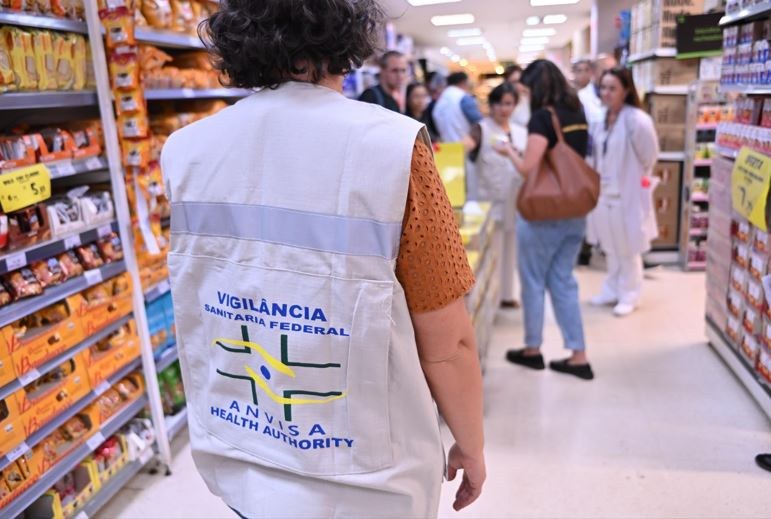
Actions to protect the population cover everything from our breakfast to our visit to a health clinic, as well as shopping at drugstores and supermarkets.
From the moment we wake up until we go to bed, all Brazilians, even without realizing it, rely on health surveillance the protection. Usually associated with health inspections or the closure of non-compliant establishments, health surveillance operates as a continuous safety net.
In Brazil, on August 5th, we celebrate the National Health Surveillance Day, marking the birth of physician and public health pioneer Oswaldo Cruz. Therefore, we celebrate the prevention, care, and technical rigor that ensures the safety of everything our population consumes.
A Silent Journey
7:00 AM – Breakfast and food safety
Health surveillance is present right from the preparation of the first meal. Strict standards ensure the accuracy of nutritional information on milk cartons and coffee packages, as well as the quality of the bread. The surveillance begins at the production stage, by monitoring pesticide residues, and extends to final labeling, preventing the inclusion of misleading information or harmful substances.
9:00 AM – Personal hygiene and cosmetics
During the morning shower and the daily grooming routine, cosmetics such as soap, shampoo, toothpaste, and sunscreen undergo a rigorous evaluation process. Prior authorization prevents toxic substances or allergens from reaching us.
11:00 AM – The drugstore and the health center
When purchasing daily medication or getting a child vaccinated at a health center, citizens benefit from the technical assessment of health surveillance authorities, which certify the efficacy and safety of vaccines and products sold in drugstores. Surveillance also ensures quality within the blood and tissue donation networks and organ transplant services of the Brazilian Unified Health System (SUS).
2:00 PM – Hospital care and medical innovations
In hospitals and clinics, equipment such as ventilators and cardiac monitors, as well as needles and surgical supplies, require Anvisa approval before they may be used. This constant oversight prevents infections, ensures patient safety, and saves lives every day.
6:00 PM – Household cleaning products
When cleaning the house at the end of the day, consumers use disinfectants, detergents, and soaps that have undergone Anvisa evaluation and laboratory testing. These tests assess their effectiveness in combating germs and bacteria or in cleaning, thereby ensuring safety and a healthy environment for the family.
10 PM – Ports, airports, and borders: non-stop surveillance
While most of the population sleeps, teams are at work at the country's sanitary checkpoints. At ports, airports and borders, the task is to prevent the entry of adulterated inputs and substandard products, and to try to avert the arrival of epidemics and other health threats.
A Networked Approach
To cover its vast, continental territory, Brazil relies on the National Health Surveillance System (SNVS), which is coordinated by Anvisa and comprises health surveillance bodies at the state, municipal, and Federal District levels. Each unit has the autonomy to issue operating licenses, conduct inspections, and ensure local safety.
On the international level, Anvisa works in alignment with major global regulatory agencies. This regulatory convergence allows rigorous standards to facilitate safe international trade while ensuring that Brazilians have access to cutting-edge technological innovations. Whether combating pandemics like COVID-19 or rapidly banning adulterated products with harmful substances (such as methanol contamination), Anvisa and the Health Surveillance System prove every day that surveillance and education are tangible ways to safeguard public health.
This work extends far beyond mere health surveillance. It plays a fundamental role in the country's economy and innovation. According to studies by the Brazilian Institute of Geography and Statistics (IBGE), products and services under the control and regulation by Anvisa and the National Health Surveillance System account for 22.7% of Brazil's Gross Domestic Product (GDP). It is now easier to understand why these activities are such an integral part of the population's daily lives.