Anvisa approves regulatory framework for handcrafted cosmetics
In addition, the Agency decided to operate a regulatory sandbox to test governance, social participation, legal analysis, and risk management
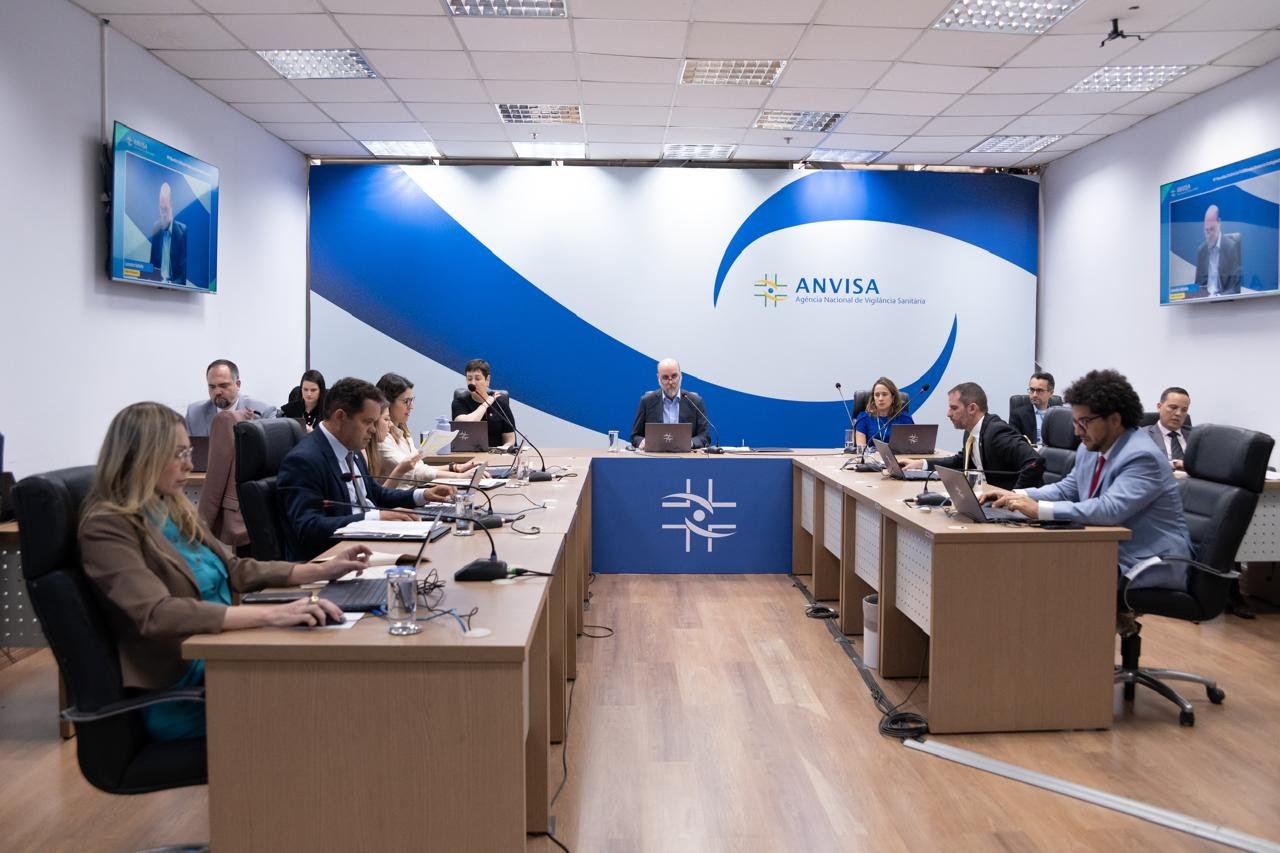
The Brazilian Health Regulatory Agency (Anvisa) approved last September 30 the regulatory framework of personal handcrafted hygiene products, cosmetics, and perfumes produced in the country. The new regulations establish the technical requirements and simplified procedures for those kinds of products, as well as the list of products that fall into this category.
Products classified as handcrafted (artisanal) hygiene items, cosmetics, and perfumes will not require formal approval with Anvisa, though they must follow specific rules and limits.
Anvisa's regulatory decision follows the enactment of Law 15.154 of July 2025, that establishes simplified rules for cosmetics, personal care products, perfumes, and other products with similar purposes, when produced artisanally. The Agency is the authority responsible for regulating the legal framework related to the subject. Therefore, in August 2025, the Agency started to define simplified requirements for the productive sector, including an exemption from prior approval for the services, as defined by Law.
The proposal centered on regulatory balance. The entire regulatory process, which included two public consultations with a broad participation from various segments of society, sought to align bureaucratic simplification with health safety.
Accordingly, the regulation respects the flexibility introduced by the new law without threatening the fundamental public health pillars. The final work resulted in two new regulations: a Resolution (RDC) and a Normative Instruction (IN).
Rules for the sector
The IN sets out the official list of personal care, cosmetic, and perfume product groups that may be produced and marketed on an artisanal basis: alcohol-based perfumes, air fresheners, solid bath and/or soaking products, solid body soaps, solid shampoos and conditioners, body oils and butters, and solid underarm deodorants.
On the other hand, the Resolution defines the technical-sanitary-health requirements as well as simplified procedures for the production and marketing of artisanal personal care products, cosmetics, and perfumes.
Among other points, the regulation defines simplified Good Manufacturing Practices (GMP), establishing basic hygiene and control rules to ensure safety, mandates labeling, and stipulates a maximum shelf life of 12 months from the manufacturing date. Furthermore, the regulation requires the use of simple claims that are purely sensory or based on basic functions (cleansing, moisturizing, and scenting), without therapeutic claims or the requirement for complex efficacy testing.
Regulatory Sandbox
A Regulatory Impact Analysis (RIA) report was developed to establish an experimental regulatory environment (regulatory sandbox), as well as a public consultation regarding the operation of this experimental environment. The draft will be open for public consultation for 60 days.
The proposal combines mechanisms for governance, social participation, legal analysis, risk management, and the definition of the collegiate body's approval process, all while remaining bound by the protection of public health and the public interest.
The regulatory sandbox is a controlled environment that allows companies to test, under Anvisa’s supervision, new business models and technologies that do not yet fully comply with existing health regulations. During an experimental period, the Agency may temporarily relax certain regulatory requirements, subject to specific conditions, limits, and safeguards, to provide information for future regulatory decisions without compromising consumer and health safety.