Anvisa approves new drug for advanced lung cancer
The medication is indicated for patients with locally advanced or metastatic disease
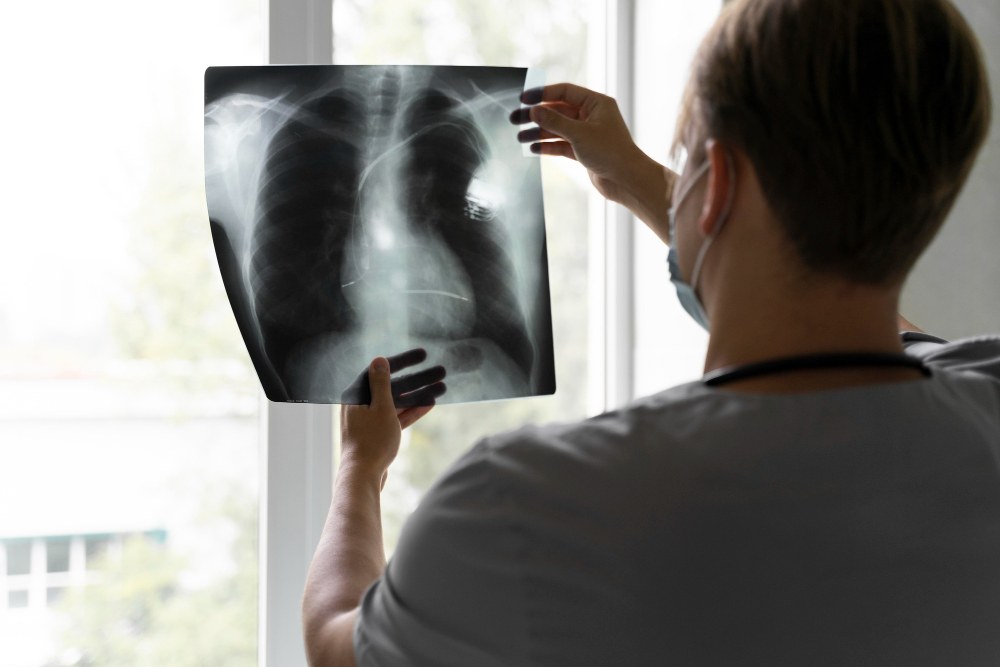
The Brazilian Health Regulatory Agency (Anvisa) has approved a new medication for the treatment of lung cancer. EMRELIS (telisotuzumab-vedotin) is indicated for adults with locally advanced or metastatic, non-squamous Non-small Cell Lung Cancer (NSCLC), wild-type epidermal growth factor receptor (EGFR), and characterized by high overexpression of the c-Met protein, in patients who have previously received systemic therapy.
The medication selectively recognizes and binds to the c-Met protein found on the surface of tumor cells, promoting the intracellular release of Monomethyl Auristatin E (MMAE), which causes targeted cell death.
Lung cancer is one of the leading causes of cancer-related mortality worldwide. Non-small cell lung cancer (NSCLC) accounts for approximately 85% of cases. 70% of them are classified as non-squamous subtype. Patients with locally advanced or metastatic disease (situation in which tumor cells have spread to other parts of the body) face a poor prognosis. After receiving chemotherapy and immunotherapy, there are limited therapeutic options available.
The approval of EMRELIS® was primarily based on results from the pivotal Phase 2 Luminosity (M14-239) study, conducted in previously treated patients with NSCLC. The medication led to a 29.2% Objective Response Rate (ORR) in the total evaluated population. Among patients with high c-Met overexpression, an ORR of 34.5% was observed, associated with long-term responses and a clinically meaningful benefit in face of limited therapeutic options.
Breast cancer
Anvisa has also approved the registration of Poherdy (pertuzumab), indicated for both metastatic and early-stage breast cancer.
For metastatic breast cancer, the medication is indicated in combination with trastuzumab and docetaxel for patients with HER2-positive metastatic or locally recurrent, unresectable (inoperable) breast cancer who have not previously received anti-HER2 therapy or chemotherapy.
For patients with early-stage breast cancer, the medication is prescribed in combination with trastuzumab and chemotherapy for:
• Neoadjuvant treatment (before surgery) of patients with HER2-positive locally advanced, inflammatory, or early-stage breast cancer at high risk of recurrence (when the tumor diameter is larger than 2 cm or with positive lymph nodes), as part of a complete protocol for early-stage breast cancer.
• Adjuvant treatment (after surgery) of patients with HER2-positive early-stage breast cancer at high risk of recurrence.