What should future G20 presidencies do for children?
The Children in G20 urges the future forum leaders to promote equitable development, sustainability, and economic resilience by putting children and adolescents at the center of decisions.
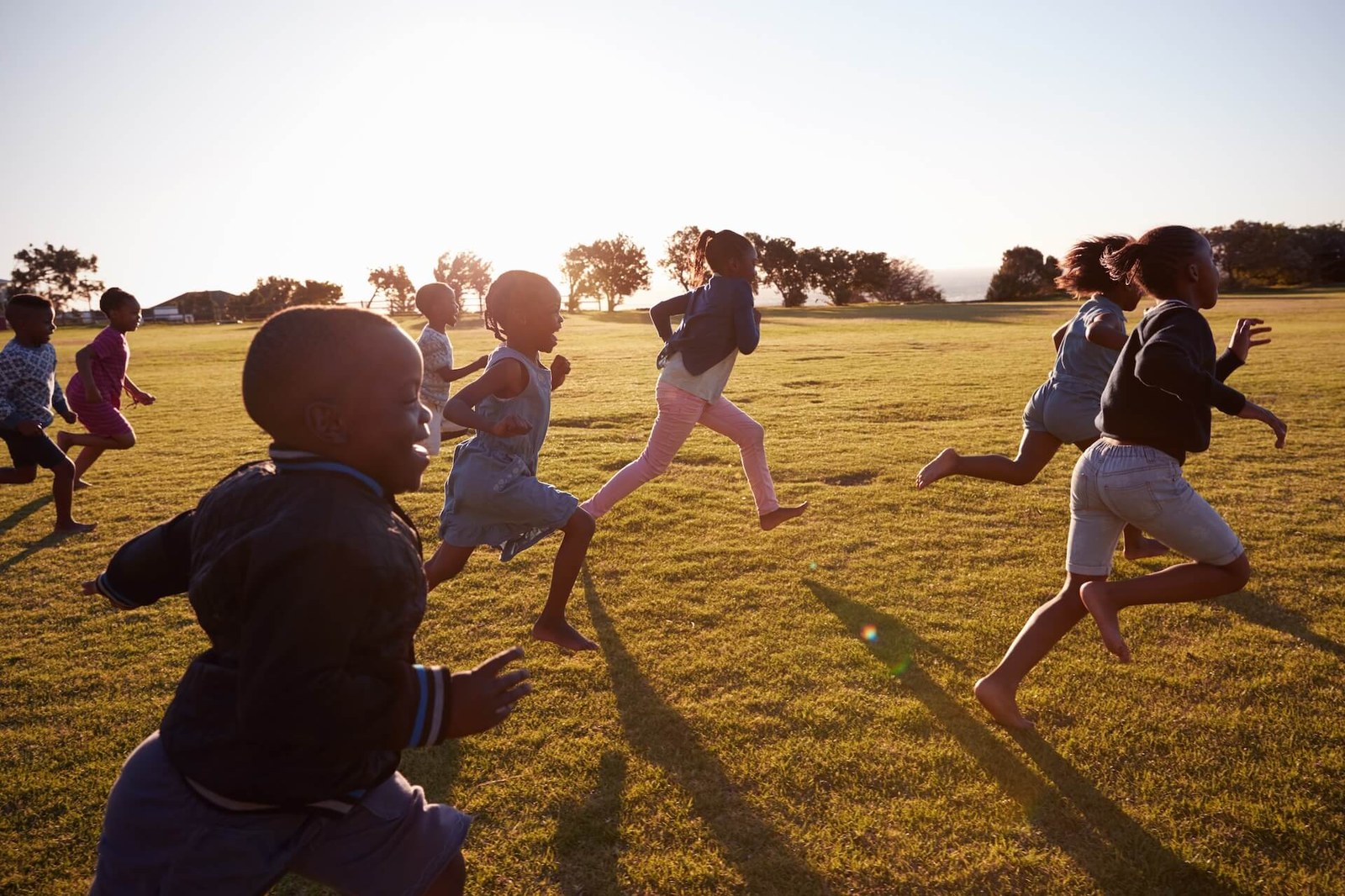
The group Children in G20, comprising several Brazilian and international organizations, emerged from the recognition of the need to bolster further global commitments and allocate significant resources towards the protection of rights and the effective participation of children and adolescents in G20 political and decision-making processes.
Investing in the priority areas proposed by the group—such as reducing poverty, fighting hunger, health, climate justice and energy transition, education, digitalization and technologies, and gender and race equality—not only promotes positive results for new generations but also strengthens communities and leads to sustainable economic results.
With the conclusion of Brasil's G20 presidency, it becomes essential to reinforce the commitment to recognizing that investing in children means investing in the present and future of human capital, promoting equitable growth, and paving the way for a more resilient and innovative economy. A collective and diverse coalition enables us to advance our agendas in future G20 presidencies.
The formal participation of children and adolescents in global forums is a milestone advocated for decades by the organizations that comprise Children in G20. The group's ambition is to create a formal space for children in G20, such as a Working Group within the Civil Society Engagement Group (C20) or even the establishment of an Engagement Group exclusively dedicated to children and adolescents.
Children and adolescents at the center of global decisions
How does the agenda for the rights of children and adolescents affect the local reality of communities and countries? An important reference in this respect is the “Child-Lens Investing Framework,” developed by UNICEF, which proposes a framework for assessing the impact of investment strategies on the younger generations and the participation of children and adolescents in decision-making processes, considering their needs at each stage of the process.
Political and investment decisions must protect children and adolescents from situations that compromise their dignity, physical and psychological integrity, and safe development. It is essential to consider that children's well-being is influenced by the family, community, and social environment, as well as taking into account different identities that influence their development, such as gender, nationality, and legal status. This means we need integrated, systemic, and multi-sectoral approaches.
Public policies and investment decisions also need to respect the central impact of cultural differences in conceptions of childhood and adolescence to meet the needs of children and adolescents and avoid negative consequences. To achieve this, we need to ensure that their participation is effective and continuous and that it promotes inclusion and authentic representivity. Creating structures that empower the youth to lead, address community issues, and influence policy is essential. Formal mechanisms, intergenerational relations, and monitoring impacts guarantee legitimacy and promote continuous improvement, fostering a transformative engagement and consolidating a strategic commitment to the future.
The Children in G20, due to its global and pluralistic nature, has the opportunity to pave the way and foster this vision of collective impact, influencing the agenda of companies, governments, organizations, and impact investing to create and bolster political resources and opportunities, enabling us to make effective advances towards the achievement of the Sustainable Development Goals (SDGs).
Political leaders, public managers, executives, and social investors must recognize that supporting children is a long-term strategy towards a more sustainable human, global, economic, and social development. They also need to recognize good practices to improve results for children and adolescents, such as adopting child—and family-friendly policies, creating mixed funding mechanisms, identifying initiatives that focus on children and adolescents, and promoting initiatives to inform and sensitize public opinion.
The Children in G20 is not a secondary initiative but a call for urgent action to promote equitable intergenerational development, the defense of human rights, economic resilience, and a sustainable planet.
When children are at the center of decisions, the benefits echo for generations, strengthening communities and fostering a more just and innovative society. The proposal of Children in G20 is inspired by the aforementioned UNICEF framework and can effectively target resources, measure and maximize social impacts. This requires scalable actions, multi-sector partnerships, and accurate monitoring to transform policies into concrete commitments, such as direct investment and funding.
Prioritizing investment in children and adolescents is the wisest decision we can make as a society. After all, they are not passive beneficiaries but protagonists and agents of transformation who have the right to participate in discussions of global impact. Only through joint efforts we can achieve the vision proposed by the group Children in G20, setting the foundations for a more just, inclusive, sustainable, and resilient future where every child reaches their full potential.
The "Children in G20" group includes Save the Children, Plan International, Alana Institute, ANDI – Communication and Rights, Childhood, FamilyTalks, José Luiz Egydio Setúbal Foundation, Promundo Institute, Maria Cecilia Souto Vidigal Foundation, International Center for Research and Policy on Childhood (CIESPI/PUC-Rio), Brazilian Coalition to End Violence against Children and Adolescents, Association for Child and Adolescent Mental Health (ASEc+), Soulbeegood, Vertentes - Mental Health Ecosystem, Global Mental Health Action Network, Living Trees Institute for Conservation and Environmental Culture, Jô Clemente Institute, National Early Childhood Network (RNPI), Orygen, ItotheN, and Catalyst 2030.
*Translated by PGET-UFSC