"Neoliberal globalization has failed," stated Lula on the reform of the UN Security Council and the Bretton Woods institutions
The Brazilian president described inaction as a threat to global peace, condemned the use of permanent members' veto power, and warned of barriers to sustainable development.
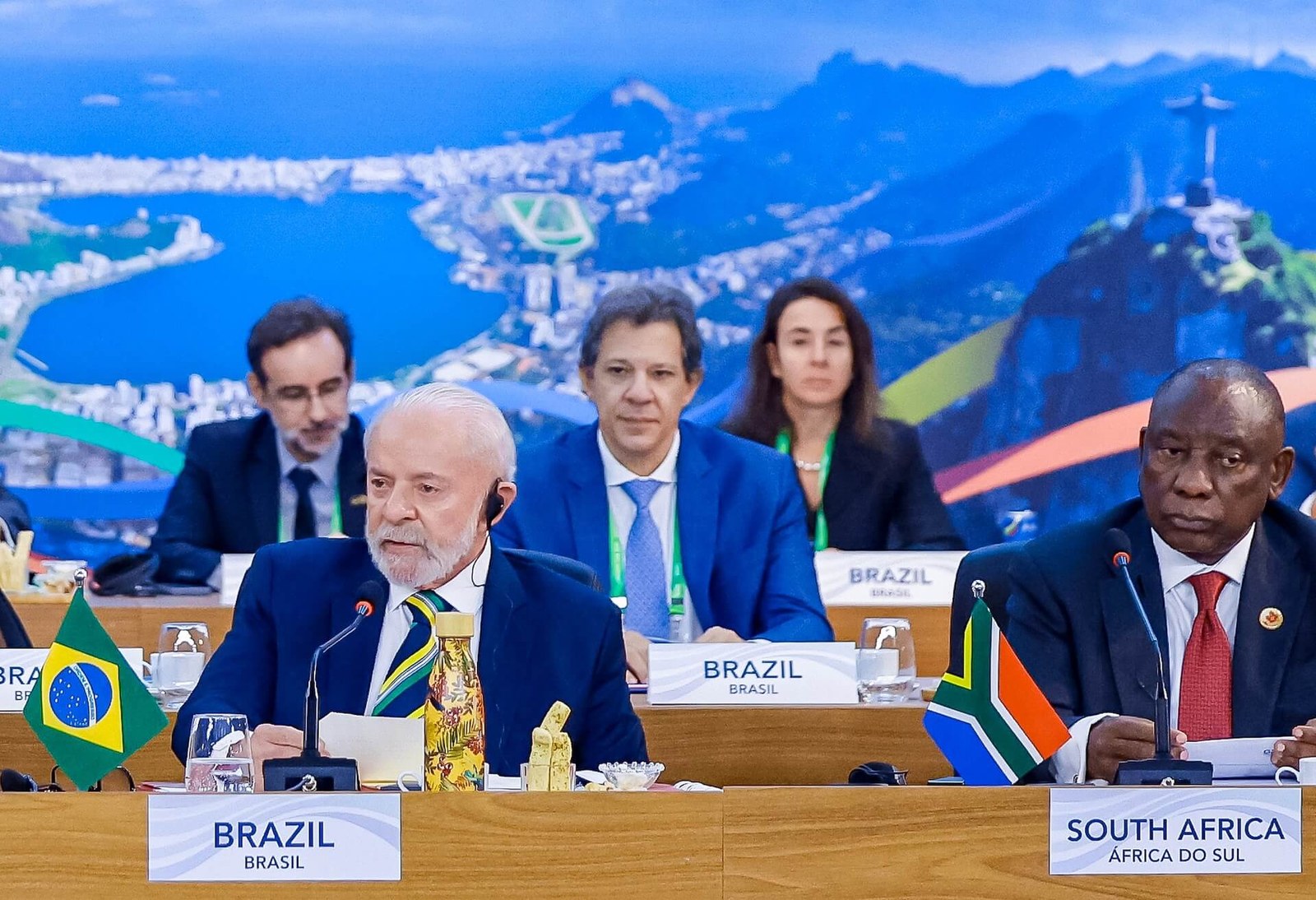
By Mara Karina Sousa-Silva/Site G20 Brasil
"Neoliberal globalization has failed. The inaction of the Security Council has become a threat to international peace and security," stated President Luiz Inácio Lula da Silva at the G20 Brasil Leaders' Summit on Monday, November 18, in Rio. Lula strongly criticized the use of veto power by permanent members and emphasized that the Bretton Woods institutions have become obstacles to achieving sustainable development.
The inaction of the Security Council has become a threat to international peace and security. Unilateral sanctions inflict suffering and primarily affect the most vulnerable. He stressed that the Bretton Woods institutions have imposed barriers to the sustainable development goals they were supposed to support.
Lula also highlighted recent failures in global governance to address urgent measures such as the Pandemic Treaty, the Pact for the Future, and the Biodiversity COP, illustrating that "diplomacy is losing ground to intransigence." The Brazilian president noted that this situation motivated Brasil to propose a conference to review the United Nations Charter, which was signed in 1945 and continues to guide the organization's actions.
A new international financial architecture
Another topic discussed at G20 Brasil was the impact of external debt on the development of small and medium-sized economies. Lula cited African countries as an example, which have reduced resources for public policies because of their need to service external debt. "The external debt service of African countries exceeds the resources available to invest in infrastructure, health, and education," he explained.
Lula reiterated that international tax cooperation is essential to reduce inequalities, advocating for resources from progressive taxation to be invested in combating the climate crisis. For Brasil's president, amplifying diverse voices in multilateral institutions is "the path to peace."
"World stability depends on more representative institutions. The plurality of voices functions as an equilibrium vector. The future will be multipolar. We don't need to wait for a new world war or an economic collapse to implement the transformations that the international order requires," the Brazilian president concluded.
*Translated by PGET-UFSC