G20 Radio Bulletin 107 - G20 discusses training and valuing education professionals
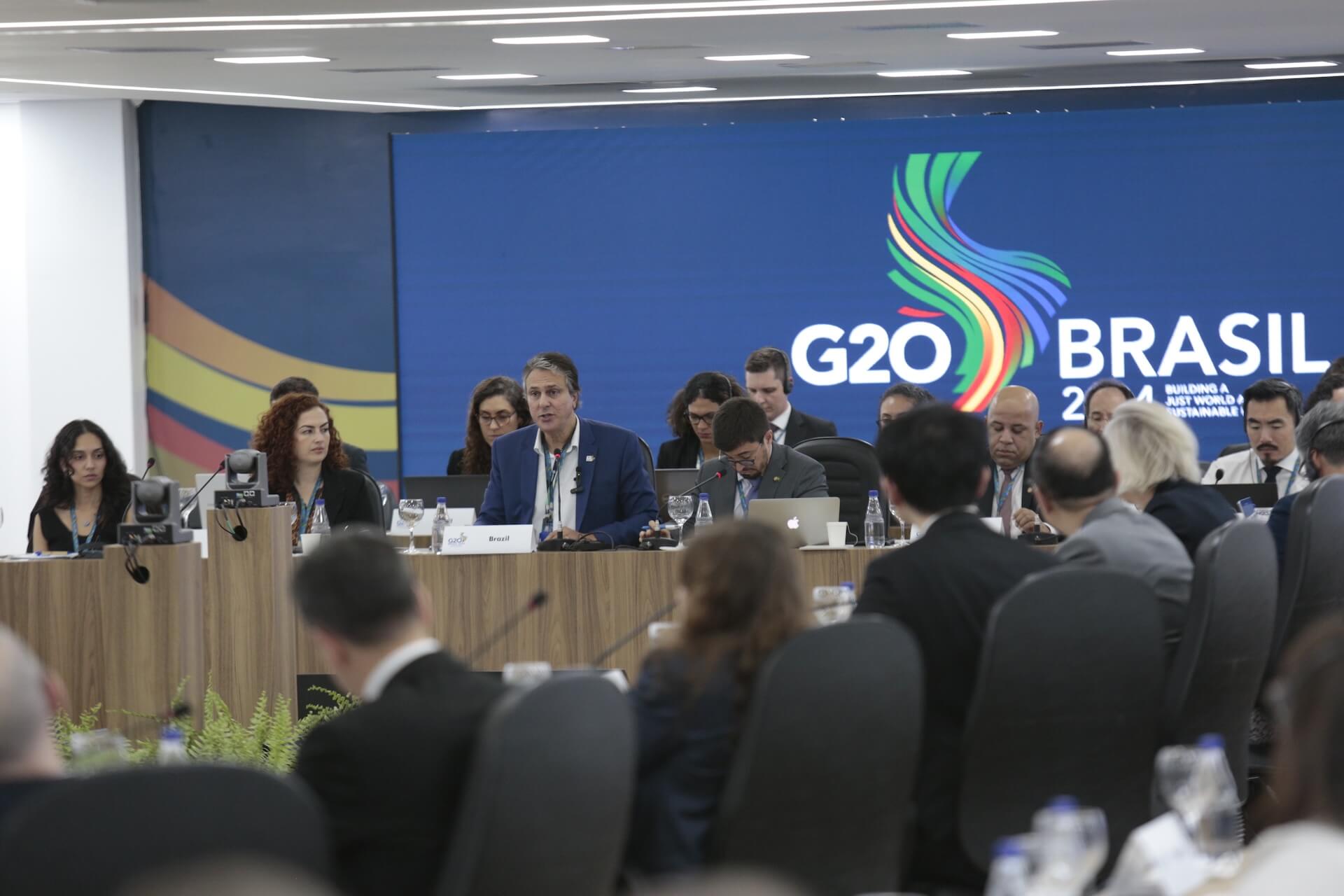
During a meeting of the Education Working Group in Brasilia, Minister of Education Camilo Santana emphasized the importance of sharing experiences with other countries to improve effective public policies for initial and ongoing teacher training. Listen to the report and learn more.
Reporter: The G20 Education Working Group (WG) met in Brasilia. The discussions during Brasil's rotating presidency focused on the qualification and appreciation of education professionals, which is a priority for the Brazilian government. More than 170 G20 delegates, representatives from the European Union, African Union, and guest countries attended the event. Camilo Santana, the Brazilian Minister of Education (MEC), emphasized the importance of dialogue and exchanging experiences between countries to improve teaching policies, identify common challenges, and share best practices in the educational sector.
Camilo Santana: To be a good teacher, you must be valued. We recognize and understand that valuing and improving the quality of our country's teachers is an excellent way to create effective and results-oriented public policy. It must promote recognition of this professional's role in society, including the formation of any country or society.
Reporter: Minister Camilo Santana also emphasized the importance of public policies to improve educational quality, citing literacy, pass rates, and the fight against school dropouts. He underscored the need for changes to the regulatory framework for university degrees, particularly in distance education, which now accounts for 86% of initial teacher training in Brasil.
Camilo Santana: The MEC now has a robust platform for continuing teacher training, which means that it is important for teachers to be constantly in training.
Reporter: The minister also announced the launch of 80,000 new scholarships for the Institutional Teaching Initiation Scholarship Program (Programa Institucional de Bolsa de Iniciação à Docência). During the meeting, experiences from other countries were heard, such as investment in school leadership and teachers' mental health. Other points of attention included indigenous school education and the formation of international partnerships to tackle the specific challenges of training and professional appreciation.
Other news