Focused on inclusive development: what is the IDB and how do multilateral banks work?

Some 8,000 kilometers separate Belo Horizonte from Washington, but at the headquarters of the Inter-American Development Bank (IDB) in the U.S. capital, there is a bust of one of the most important Minas Gerais natives in history: Juscelino Kubitschek.
Created in 1959 and inspired by the former brazilian president, who is known by his initials, JK, the IDB is the main source of financing and knowledge for development in Latin America and the Caribbean. Currently led by Ilan Goldfajn, the first Brazilian to head the institution, the IDB operates in areas ranging from social projects to entrepreneurship, regional integration to mobile internet, and from infrastructure to renewable energy.
The IDB has assumed the presidency of the groups of heads of multilateral development banks (MDBs) and regional development banks (RDBs), which together include 12 international financial institutions. This coincides with Brazil's presidency of the G20 and offers the opportunity to align multilateral banks' development policies, one of the priorities of its mandate.
How does the IDB work?
Today, the Bank is made up of 48 countries: 26 borrowing members in Latin America and the Caribbean (which made an initial contribution to the Bank's capital and can receive financing) and 22 non-borrowing members (who participate in the capitalization but do not receive financing) from North America, Europe and Asia. The Board of Directors is responsible for the conduct of the IDB’s operations and all member countries have the right to vote. Since 1962, the IDB has held a triple-A (AAA) credit rating, the highest possible, passing on the benefits to the borrowing countries.
The IDB is part of a larger structure, the IDB Group. It also includes IDB Invest, which focuses on financing private companies in Latin America and the Caribbean, and IDB Lab, an innovation center that encourages creative solutions and entrepreneurship in the region. The IDB Group provides not only financing, but a wealth of knowledge and technical support to countries. Specialized teams evaluate and monitor every project for the planned social, environmental, and economic results.
Deep and historic bond with Brazil
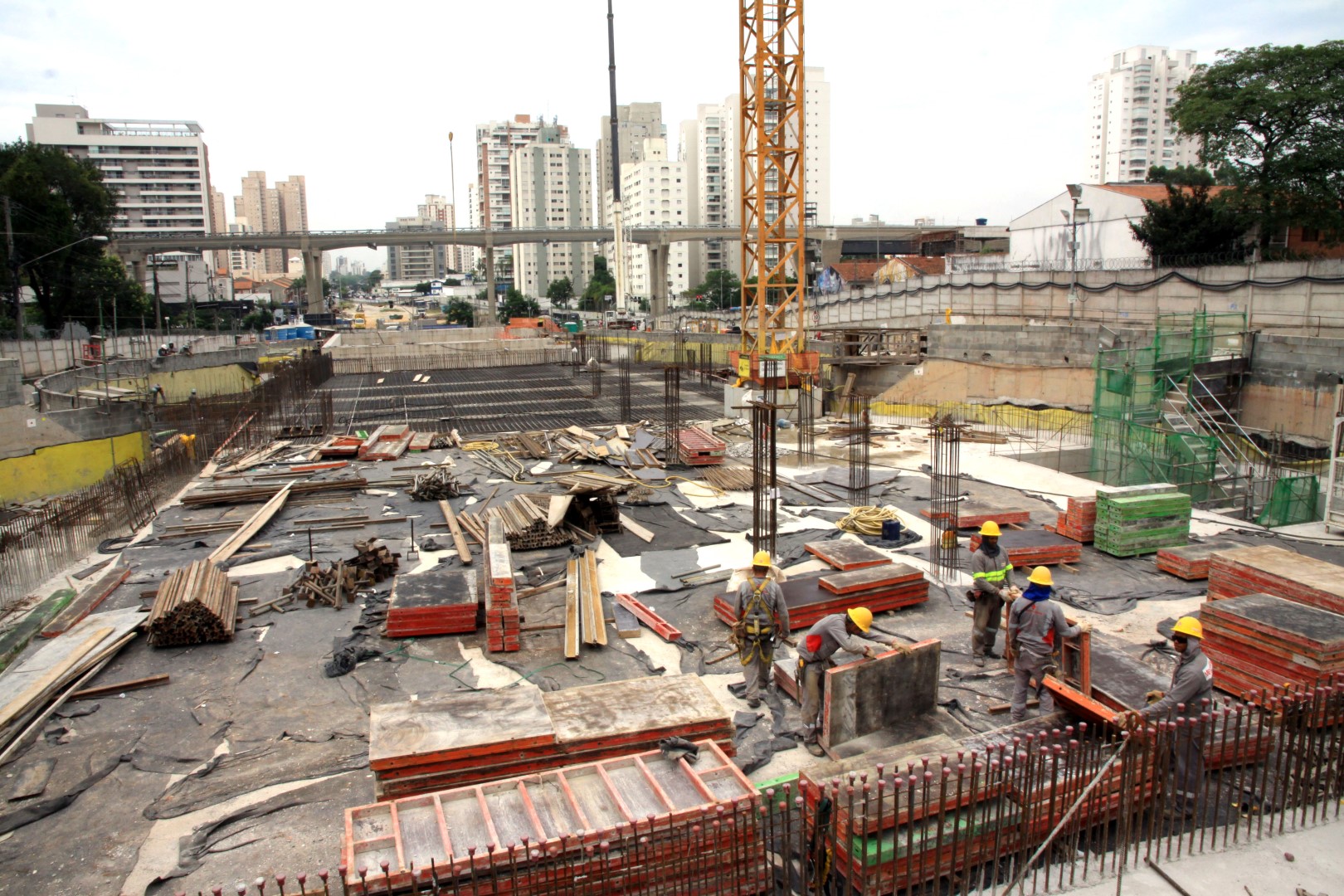
Brazil has been one the IDB's biggest borrowing partners.The Bank has provided more than $20 billion (around R$ 100 billion) in financing for the country. Investment projects span various sectors. Examples include support for the implementation of Bolsa Família; the Social and Environmental Program for the Igarapés of Manaus (Prosamim, which has already benefited more than 75,000 people with urban improvements); resources for the Butantan Institute to expand vaccine production; doubling the capacity of highway BR-101 in southern Brazil and construction of the metro in São Paulo; support for programs to urbanize informal settlements and reduce their vulnerability to climate risks, such as ProMorar Recife, Produis Niterói and João Pessoa Sustentável; recycling cooperatives in Minas Gerais; and funding for sanitation and the clean-up of Guanabara Bay in Rio. In another recent example, the IDB has supported a currency-hedging project to encourage climate finance.
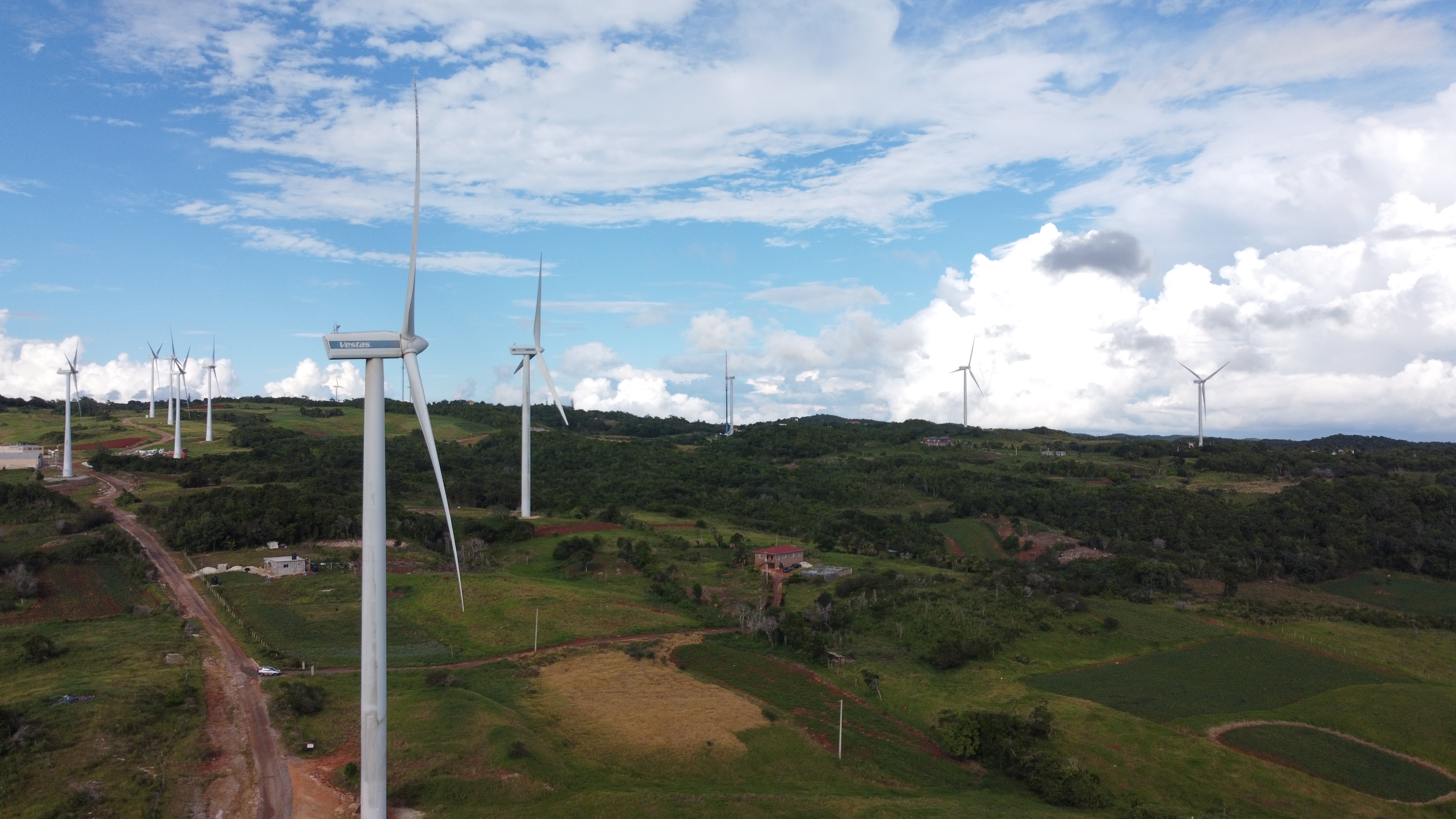
In the region, the IDB finances everything from infrastructure works in Mexico to biodiversity projects in the Caribbean, from modernizing borders and encouraging regional trade in Central America to improving housing and sanitation in South American countries. Recently, the Bank also enabled a $1.1 billion debt-for-nature conversion in Ecuador, which will allow it to expand conservation in the Galapagos, and a similar conversion aimed at protecting the marine environment in Barbados. In 2023, it launched the Amazonia Forever program, and it is supporting the regional integration of routes in South America.
IDB takes the lead among multilateral banks
The IDB has assumed the presidency of the groups of heads of multilateral development banks (MDBs) and regional development banks (RDBs), which together include 12 international financial institutions. This coincides with Brazil's presidency of the G20 and offers the opportunity to align multilateral banks' development policies, one of the priorities of its mandate.
In its leadership of the MDBs and RDBs groups, and with the goal of making multilateral development banks "bigger and better," the IDB intends to evolve not only in its projects, but also in its operational methods and the way it collaborates in order to meet the urgent needs of borrowing member countries and their populations. The Bank seeks to focus on sustainability, economic growth and poverty eradication, which are priority issues for the Brazilian government during its presidency of the G20.
"Multilateral banks need to reform to be more agile in their support for countries, given the size, complexity and urgency of the challenges we face today, such as climate change, food insecurity, inequality and poverty," said President Goldfajn. "That's why our focus is on impact. With regional projects like Amazonia Forever, what matters is not the monetary value of our operations, but whether they have led to concrete results, such as preventing deforestation, creating jobs for the local population and developing the bioeconomy."
What do the MDBs do?
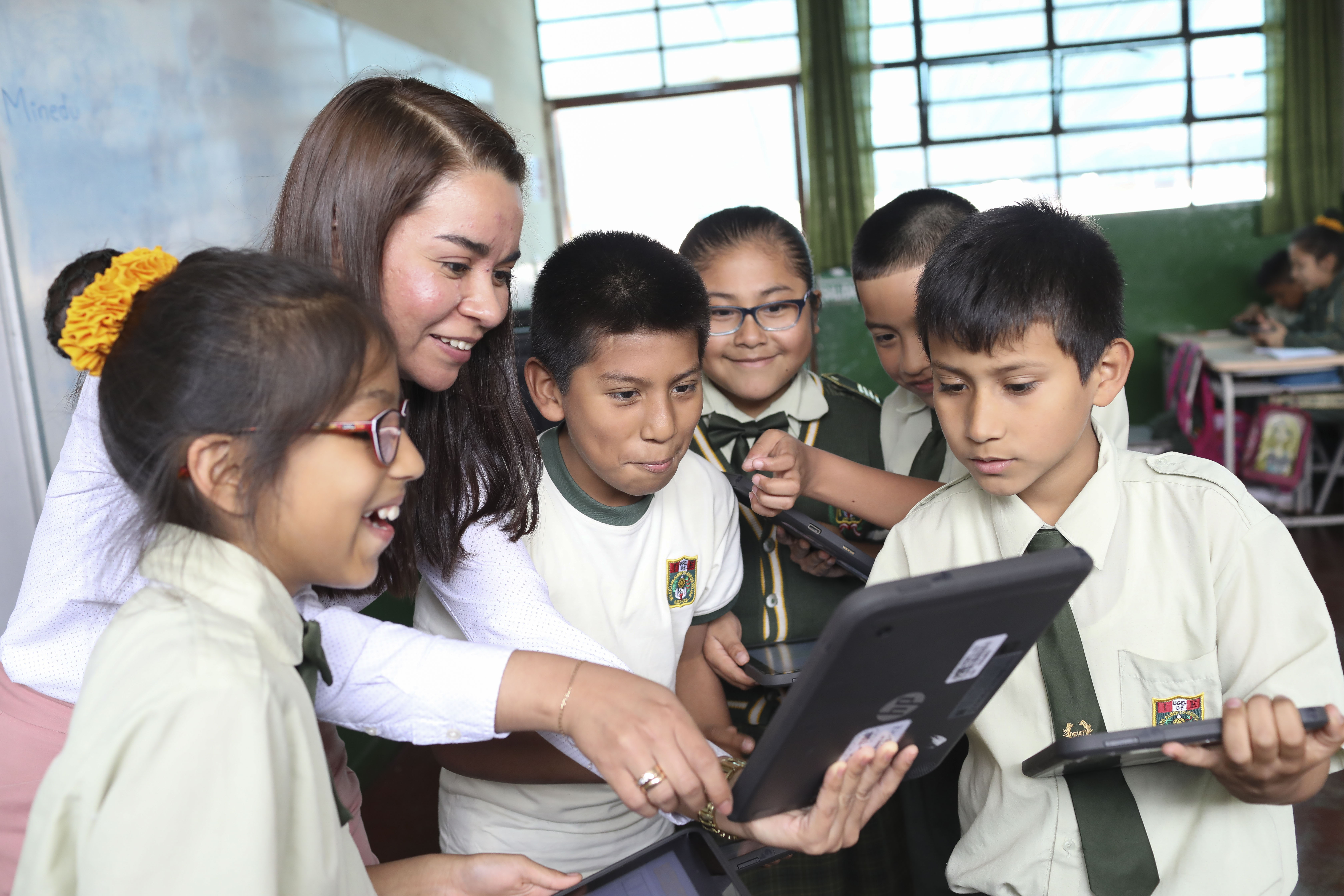
Multilateral development banks originated in the aftermath of World War II as an instrument for the reconstruction of devastated areas, and later expanded their operations to projects that generate social development and respect for the environment, while preparing countries, regions and cities to improve their economic conditions, management and the quality of public services. They offer loans and occasional non-reimbursable resources. Other resources including technical cooperation and expertise for the development of projects, programs and public policies.
MDBs and RDBs approve about $230 billion a year (approximately R$ 1.1 trillion), according to the OECD*. MDBs often work in areas where other banks do not, and with unique cost conditions, pursuing an agenda that generates positive impacts. The IDB alone has an active credit portfolio of $9.6 billion in Brazil, with a further $2.7 billion in the pipeline.
In addition to the IDB, the MDBs and the RDBs include the following institutions: the World Bank, the African Development Bank (AfDB), the Asian Development Bank (ADB), the Asian Infrastructure Investment Bank (AIIB), the Council of Europe Development Bank (CEB), the European Bank for Reconstruction and Development (EBRD), the European Investment Bank (EIB), the Islamic Development Bank (IsDB) and the New Development Bank (NDB, known as the BRICS Bank). Other international financial institutions that work with MDBs and RDBs include the International Monetary Fund (IMF) and the International Finance Corporation (IFC).
*Fonte: https://www.oecd.org/development/multilateral-development-finance-2022-9fea4cf2-en.htm