Loading
Delegates' Area
English
VOICES OF THE G20
Citizen perspectives: Brasil needs to put an end to deforestation and the world adopt ambitious targets against the climate crisis
In a global push for achieving climate goals, civil society expects the G20 to take more ambitious action, ensure robust financing, and include communities most affected by environmental disasters in strategies to address the climate crisis.
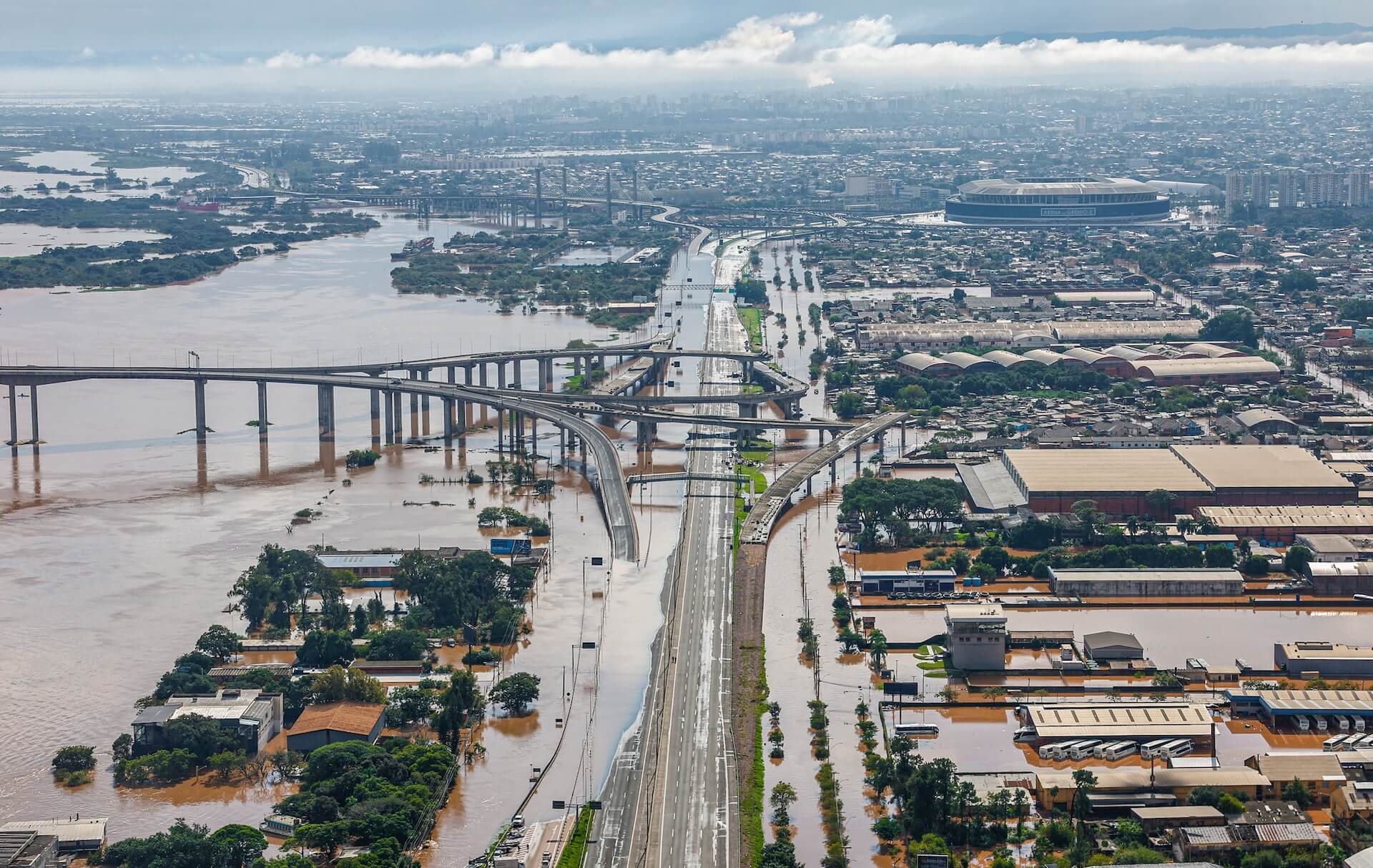
Long periods of drought, intense heat, severe rainfall, and flooding have made 2024 the year of climate catastrophe. The world has lost thousands of human lives, and the impacts on ecosystems can barely be measured. According to a survey by the insurance company Munich Re, disasters may have cost 120 billion dollars in the first half of the year.
For civil society, the scenario was already predicted and heightens the responsibility of G20 governments to speed up measures to confront, adapt to, and mitigate the climate crisis. Anchored in scientific evidence on global warming, its impacts on the intensification of environmental disasters and gathered in a network of robust international cooperation, the groups have acted on several fronts to urge global commitments and local public policies that can stop the worsening of the climate scenario in the world.
By Geledés - Black Women's Institute, Letícia Leobet, an international advisor, has been following the articulation of global civil society for immediate solutions to the climate crisis. She indicates that a series of measures need to be taken to limit global warming. In the case of Brasil, which seeks to lead by example, she proposes that it is essential to eliminate illegal deforestation by 2030 to guarantee protection, restoration, and a climate balance. But she firmly points out that the world must accompany this effort.
“This effort must be accompanied by global restoration initiatives, by investment in alternative forms of energy that are renewable and culturally sensitive to the territories, and by the strengthening and support of traditional forest peoples and communities that preserve biodiversity, recognizing the environmental services provided by these populations,” Leobet suggests.
Leticia bets that climate crisis mitigation goals will be distributed equitably, considering the historical responsibility for the scenario and size of the economies. In the case of Brasil, she believes the country should contribute to the global effort to reduce emissions by 2035 to inspire other G20 countries to increase their own targets. "This has been a great requirement of Brazilian civil society, with the centrality of combating environmental racism, this goal must point to the construction of public policies that reduce social, racial, and environmental inequalities in the country," she reveals.
Leticia bets that climate crisis mitigation goals will be distributed equitably, considering the historical responsibility for the scenario and size of the economies. In the case of Brasil, she believes the country should contribute to the global effort to reduce emissions by 2035 to inspire other G20 countries to increase their own targets. "This has been a great requirement of Brazilian civil society, with the centrality of combating environmental racism, this goal must point to the construction of public policies that reduce social, racial, and environmental inequalities in the country," she reveals.
Maiara Folly, executive director of Plataforma CIPÓ and co-leader of the T20 Brasil Task Force on Climate Action and Inclusive and Fair Energy Transitions, points out that the solutions to face the scenario do not depend exclusively on this group of countries, but it is essential that they act as leaders to limit global warming to 1.5°C.
“Given their political and economic weight and being responsible for about 80% of greenhouse gas emissions, the leadership of the G20 countries is fundamental. It is essential that the G20 countries adopt concrete measures to implement the commitments previously made, including at the COPs and at the G20 itself, "said Folly.
Maria Netto, executive director of the Climate and Society Institute - ICS, stresses that, although the forum's declarations are not binding, that is, they generate obligations for the forum's member countries, it creates a significant space for dialogue between nations, as well as commitments from heads of state,
"It brings a process of continuity, of technical monitoring during the year, which is very interesting. It is not necessarily only decisions that have an individual goal, but a collective goal. The countries together will work and ask that, for example, international global funds, climate funds, multilateral funds, follow this roadmap and present results," said Netto, highlighting as an example the debates of the forum's Finance Track, that were focused on expanding financing to face the climate crisis.
A more ambitious funding target
A study by Oxfam Global published in 2023 revealed that even though the effects of the climate crisis affect all countries equally, richer nations are responsible for more carbon emissions, the root cause of climate change, due to the reckless exploitation of fossil fuels to generate energy. The report reveals that the changing scenario involves an energy transition and that the rich and industrialized economies start paying for the damage already caused, especially to Global South countries, most affected by climate chaos.
Folly explains that adaptation and mitigation actions in developing countries depend on resources amounting to trillions of dollars annually. “These financing needs increase in a context in which rich countries have failed to deliver the already very insufficient 100 billion dollars annually promised to promote climate action in the Global South. The accumulation of unfulfilled promises has generated an environment of tension and distrust between countries and discredit in the international climate regime in general," she stresses.
It is from this panorama that Maiara emphasizes that the expectations for COP 29 (United Nations Climate Change Conference), which will take place in the coming weeks in Baku, Azerbaijan. According to the expert, the meeting has been called the Financing COP precisely because of the focus on an agreement on a New Quantified Collective Target for Climate Financing (CQG). For her, it needs to be robust and meet in a balanced way the adaptation and mitigation needs of developing countries so that they can deal with the losses and damage already caused by climate change.
“It is essential that the G20 and the international community take a firmer lead by establishing stricter regulations to align international financial flows with the objectives of the Paris Agreement and the Kunming-Montreal Global Framework for Biological Diversity. These policies must also consider the global goal of halting and reversing biodiversity loss by 2030. Strengthening international cooperation so that the financial sector supports climate and biodiversity protection goals is urgent, and the G20 must lead this process," she concludes.
"In addition to ensuring resources on a sufficient scale, it is essential to ensure the quality of this financing. Developed countries often count as climate finance a series of loans — including those from private sources and with market interest rates —, which in practice has worsened the debt accumulation of the most vulnerable nations. Therefore, it is essential that most of the financing comes from public sources, in the form of donations and under highly concessional conditions and with long-term maturities," says the executive director of Plataforma Cipó.
Maiara argues that there are sufficient resources to adequately face climate change and preserve the biodiversity of ecosystems, but that they are poorly destined. She uses as an example, that government subsidies to the fossil fuel industry amounted to 7 trillion dollars in 2023 alone, according to the IMF (International Monetary Fund) data, ignoring scientific warnings to cut greenhouse gas emissions. In addition, there is a significant volume of investments in sectors that cause significant losses of biodiversity, including illegal deforestation, while only 200 billion dollars were allocated to the conservation and restoration of biodiversity in 2023.
“It is essential that the G20 and the international community take a firmer lead by establishing stricter regulations to align international financial flows with the objectives of the Paris Agreement and the Kunming-Montreal Global Framework for Biological Diversity. These policies must also consider the global goal of halting and reversing biodiversity loss by 2030. Strengthening international cooperation so that the financial sector supports climate and biodiversity protection goals is urgent, and the G20 must lead this process," she concludes.
Leboit highlights the need for more ambitious approaches that point to the complete reorientation of the global economy, which is necessary for the rapid and decisive reduction in the use of fossil fuels. “Rich countries must play their part in financing the energy transition, ensuring that nations with fewer resources can phase out fossil fuels and invest in low-carbon infrastructure. And support a fund for climate change adaptation, which is separate from the fund for loss and damage actions," she asserts.
Geledés' advisor also hopes that the Conference will be a space for incorporating more inclusive language into official documents, which considers racial specificities in gender and climate agendas, as well as global climate adaptation goals. She points out that global civil society also expects that disaggregated indicators be taken into account to meet the climate goals.
"This inclusion is seen as an important step for the climate agenda to recognize the structural inequalities and environmental racism that disproportionately impact vulnerable and marginalized populations. These indicators are expected to address structural inequalities, highlighting racial and gender perspectives in a disaggregated manner, and establishing concrete goals for the implementation of adaptation policies," she explains
Green transition without leaving anyone behind
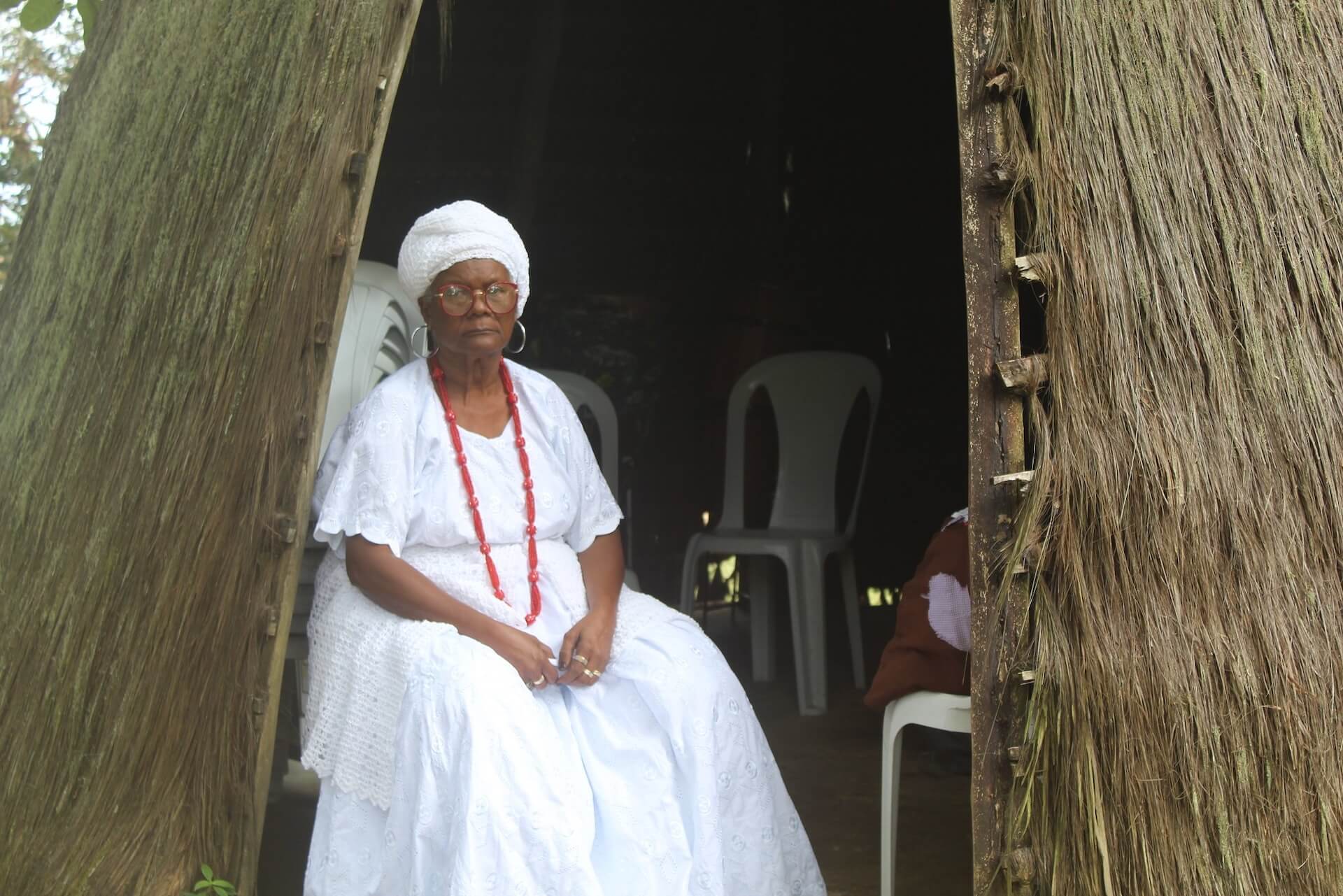
In Leobet's perspective, promoting a just ecological transition requires recognizing domestic climate plans that incorporate evidence of the knowledge of traditional indigenous peoples, Afro-descendants, quilombola communities, and other groups, based on territorial specificity, so that local knowledge is integrated into climate and biodiversity strategies. In addition, she advocates that climate change adaptation and mitigation measures prioritize the most vulnerable communities affected by environmental disasters.
“The recognition of environmental racism is essential for this approach, as it is necessary to face systemic racism, which has historically marginalized these populations, and seek anti-racist solutions that reverse the situation of the social, political, and economic vulnerability of these communities,” she said.
Leboet presents the concept of anti-racist adaptation, proposed by a coalition of Brazilian civil society organizations, to address racial, gender, generational, social, regional, and territorial inequalities through structuring, intersectional, and intersectoral public policies. For the social scientist, the ethnic-racial dimension needs to be considered for environmental policies to cope with the disproportionate impact of crises on these communities.
“One of the main challenges is the recognition and confrontation of environmental racism and how systemic racism overlaps with climate vulnerabilities. This recognition is essential for environmental policies to be formulated with an anti-racist approach and for it to be understood that Afro-descendants and indigenous populations have historically been and still are kept in conditions of social and economic vulnerability," she said.
Funding comes back as a challenge for the just transition. In Leticia's assessment, without a focus on climate justice and equity, green development mechanisms tend to benefit less vulnerable territories and groups, "perpetuating the cycle of exclusion," she said. Another issue is the lack of participation of the most affected communities in political decisions, preventing public policies from being effective and fair.
“International cooperation, as well as the commitment of rich countries to finance the energy transition in a fair way, are fundamental to address this obstacle. The absence of these voices in the formulation and implementation processes results in solutions that are detached from local realities and the specific needs of these populations,” analyzes Leobet.
A COP in Brasil
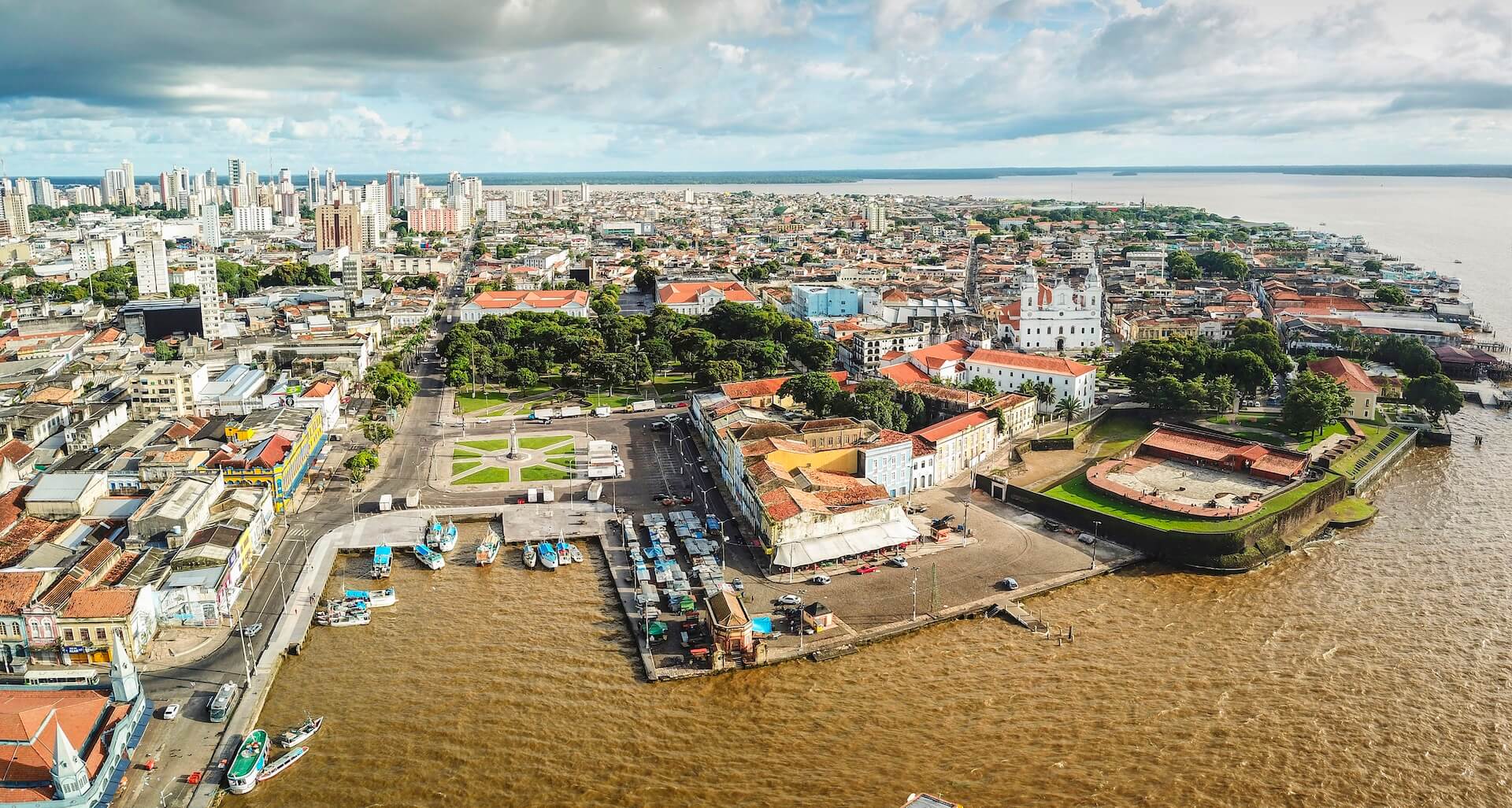
Em 2025, o Brasil terá uma responsabilidade histórica ao sediar a COP 30, em Belém, capital do Pará. A assessora internacional de Geledés espera que o país consiga fazer a diferença e pautar uma agenda que supere as metas para o clima e incorpore discussões de justiça social e equidade étinico-racial. Ela aponta que o país deve influenciar o mundo com um exemplo de justiça climática que considere desigualdades estruturais.
Inspirada pela COP 16 (Conferência das Nações Unidas para a Biodiversidade), realizada em outubro em Cali, na Colômbia, onde a inclusão da população afrodescendente foi um destaque nas negociações, Letícia enfatiza que o Brasil também deve dedicar esforços significativos para integrar essas questões em debates centrais. "O Brasil tem a chance de usar sua posição para fortalecer o papel das nações em desenvolvimento e para pressionar por mais financiamento climático e justiça ambiental".
Translated by PGET-UFSC